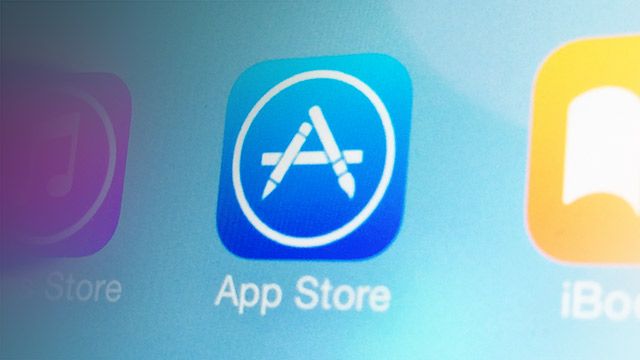
 October 22, 2008: During an Apple conference call, Steve Jobs reveals that a user downloaded the 200 millionth app from the App Store that very day.
The news comes less than five months after the launch of the App Store, and only a month after Apple surpassed 100 million app downloads.
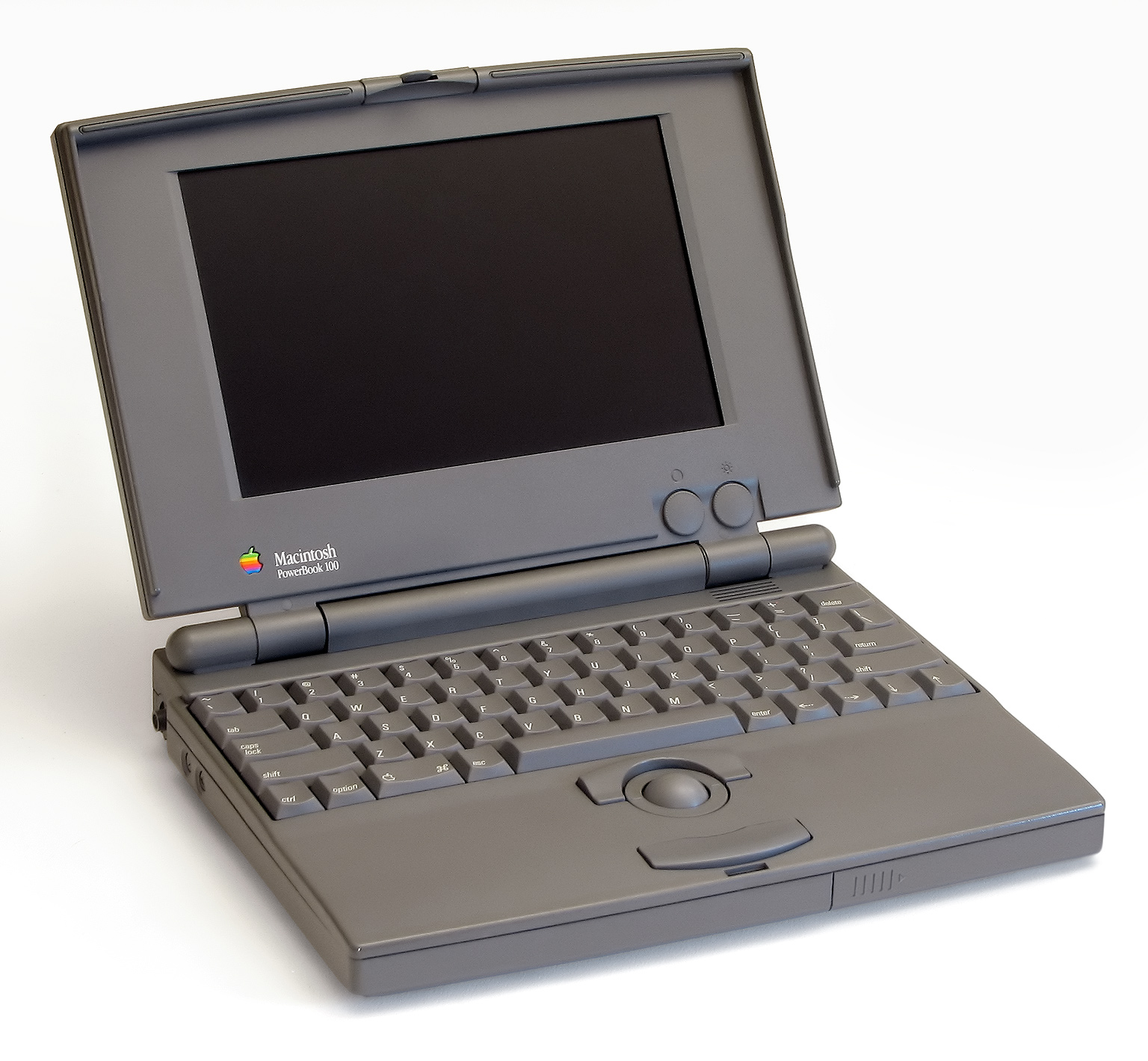
 October 21, 1991: Apple launches its PowerBook 100 series. The lightweight laptops quickly become one of the most important tech gadgets of all time.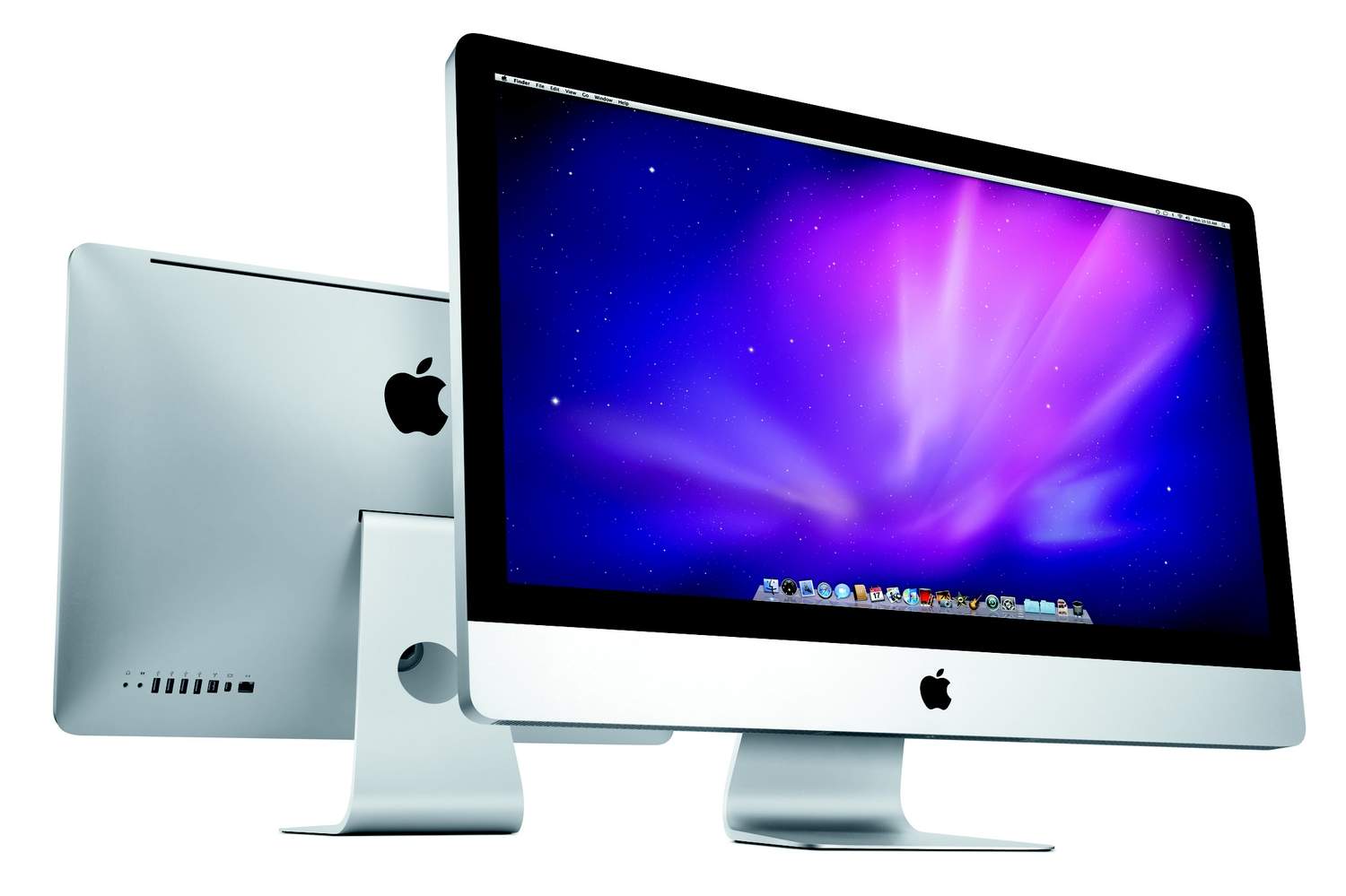
 October 20, 2009: Apple goes big with its iMac redesign, introducing the first 27-inch all-in-one Mac.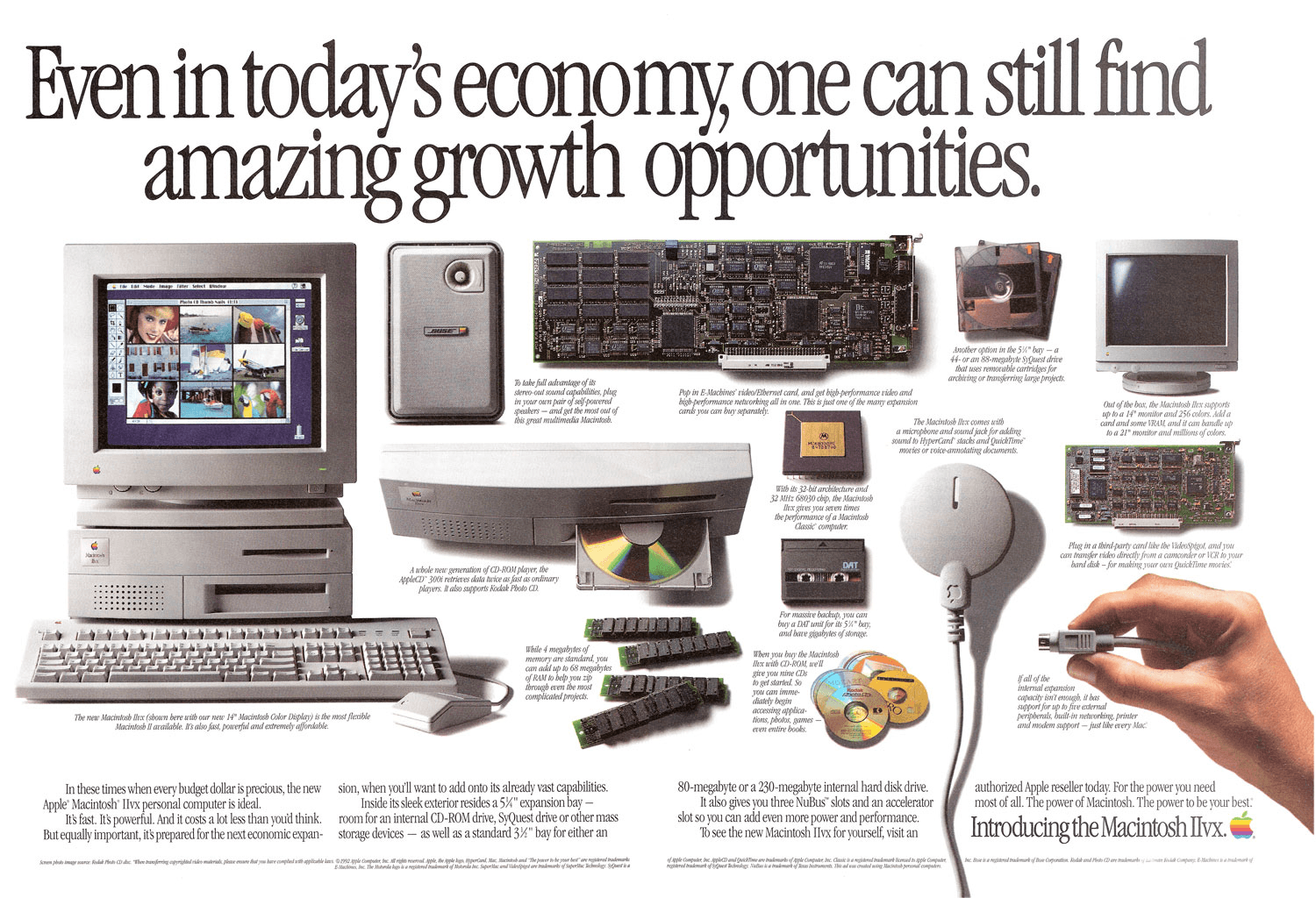
 October 19, 1992: Apple launches the Mac IIvx, the first Macintosh computer to ship with a metal case and, more importantly, an internal CD-ROM drive.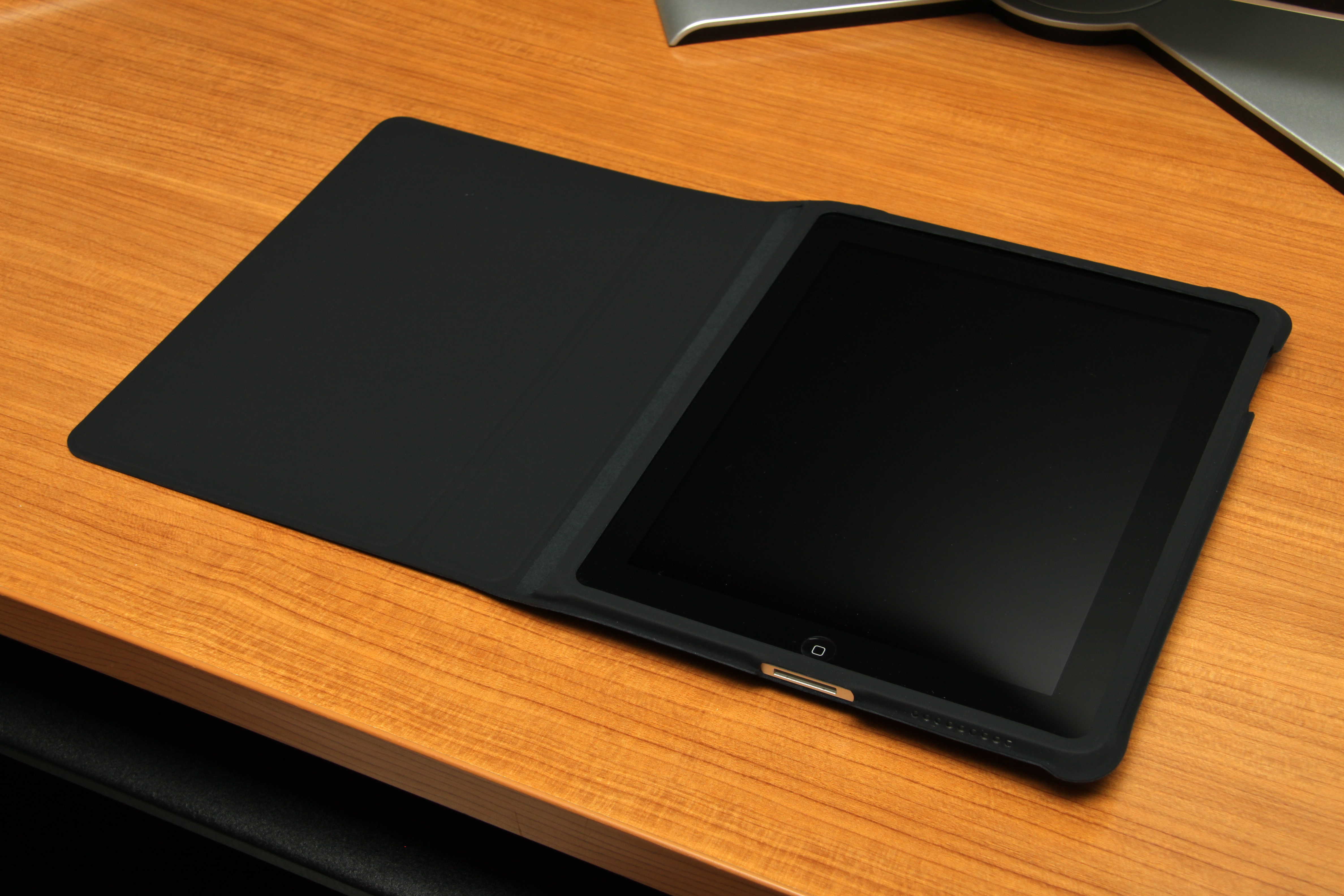
 October 18, 2010: Just six months after the original iPad debuts, Steve Jobs reveals that Apple’s tablet already outsells the mighty Macintosh computer.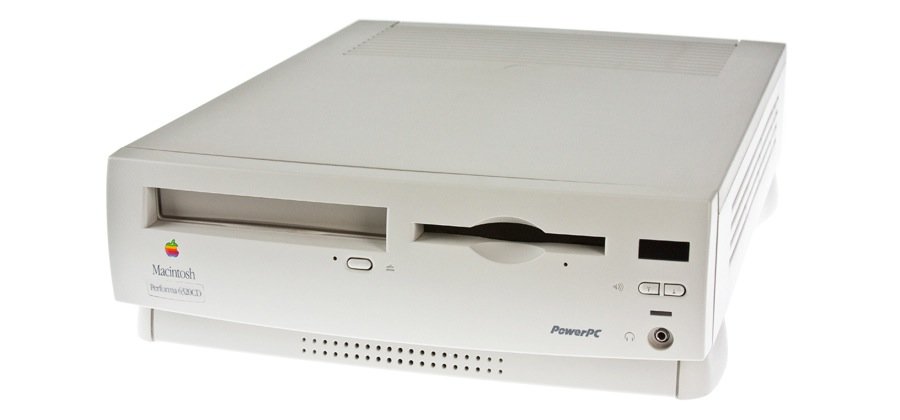
 October 17, 1996: Apple launches its Performa 6360 Mac in North America, sold elsewhere as the Power Macintosh 6300/160.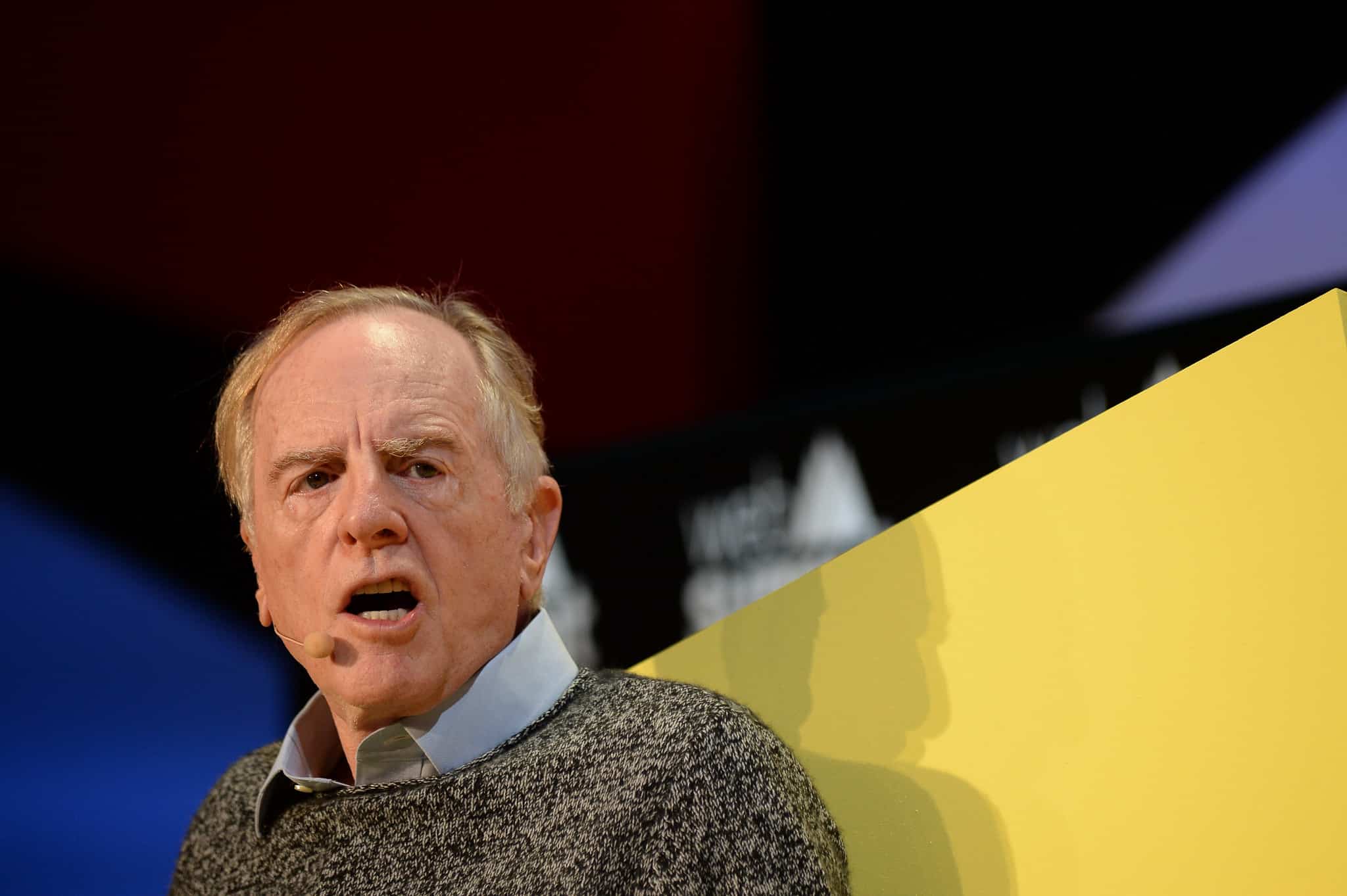
 October 15, 1993: John Sculley, the former CEO responsible for forcing Steve Jobs out of Apple, is forced to leave the company himself.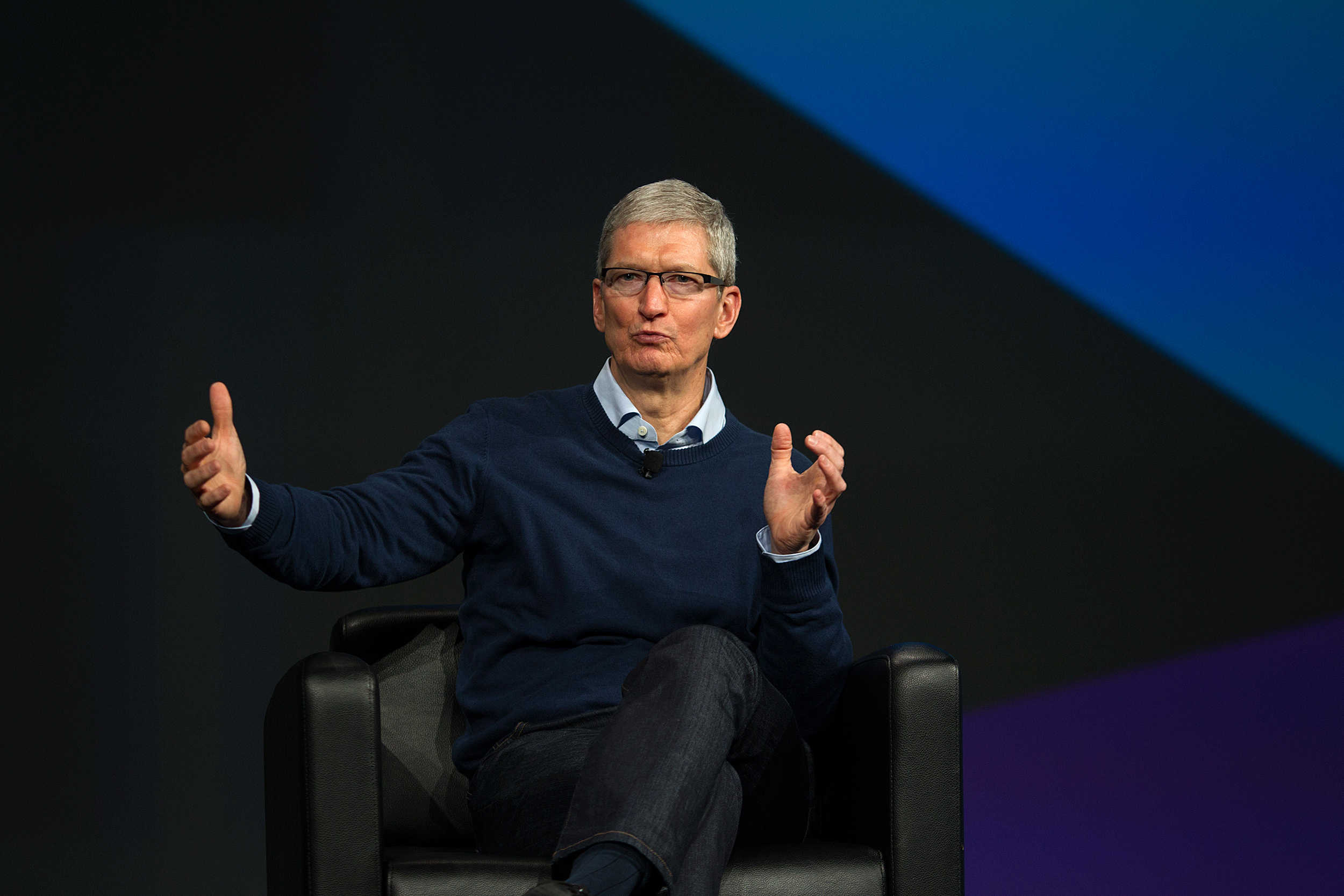
 October 14, 2005: Tim Cook takes the reins as Apple’s chief operating officer, continuing an upward climb through the company’s ranks that will make him CEO less than six years later.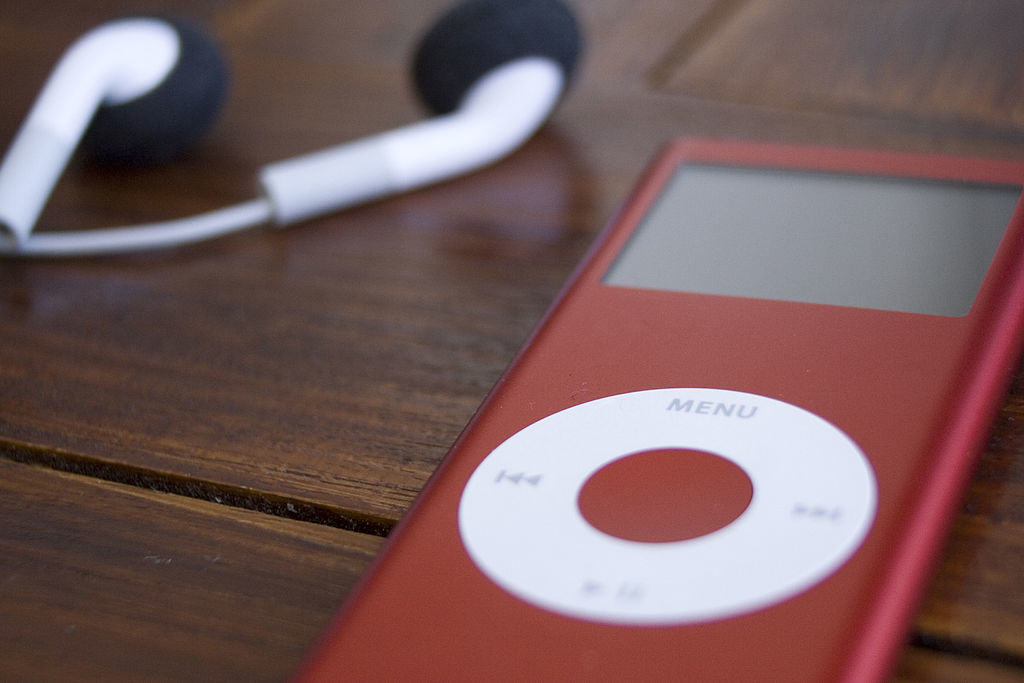
 October 13, 2006: Apple launches its limited-edition iPod nano (Product) Red Special Edition music player, with 10% of profits going to fight AIDS in Africa.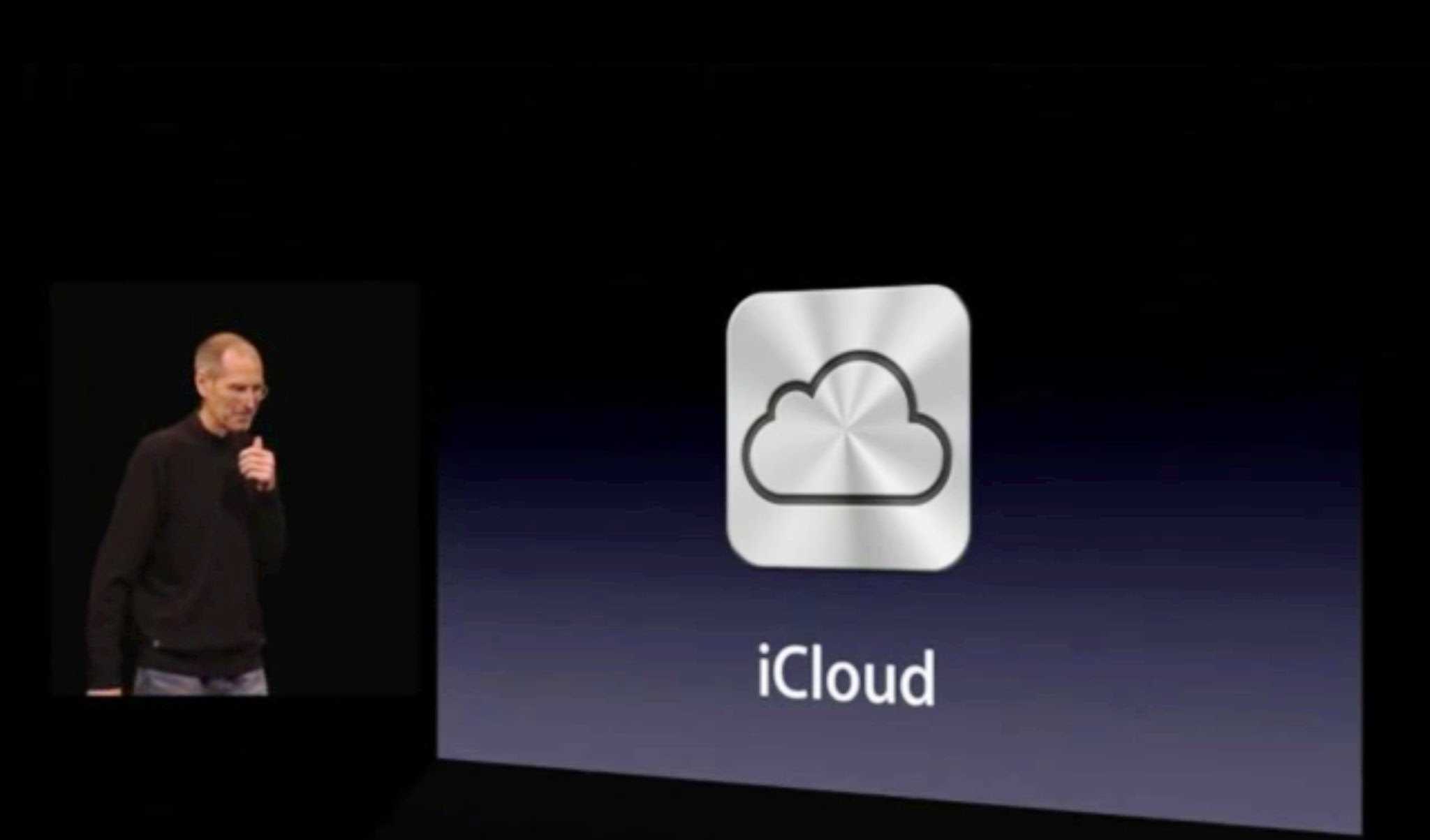
 October 12, 2011: Apple launches iCloud, a service that lets users automatically and wirelessly store content and push it to their various devices.
 October 11, 1995: Steve Jobs files the paperwork to float Pixar Animation Studios on the stock market.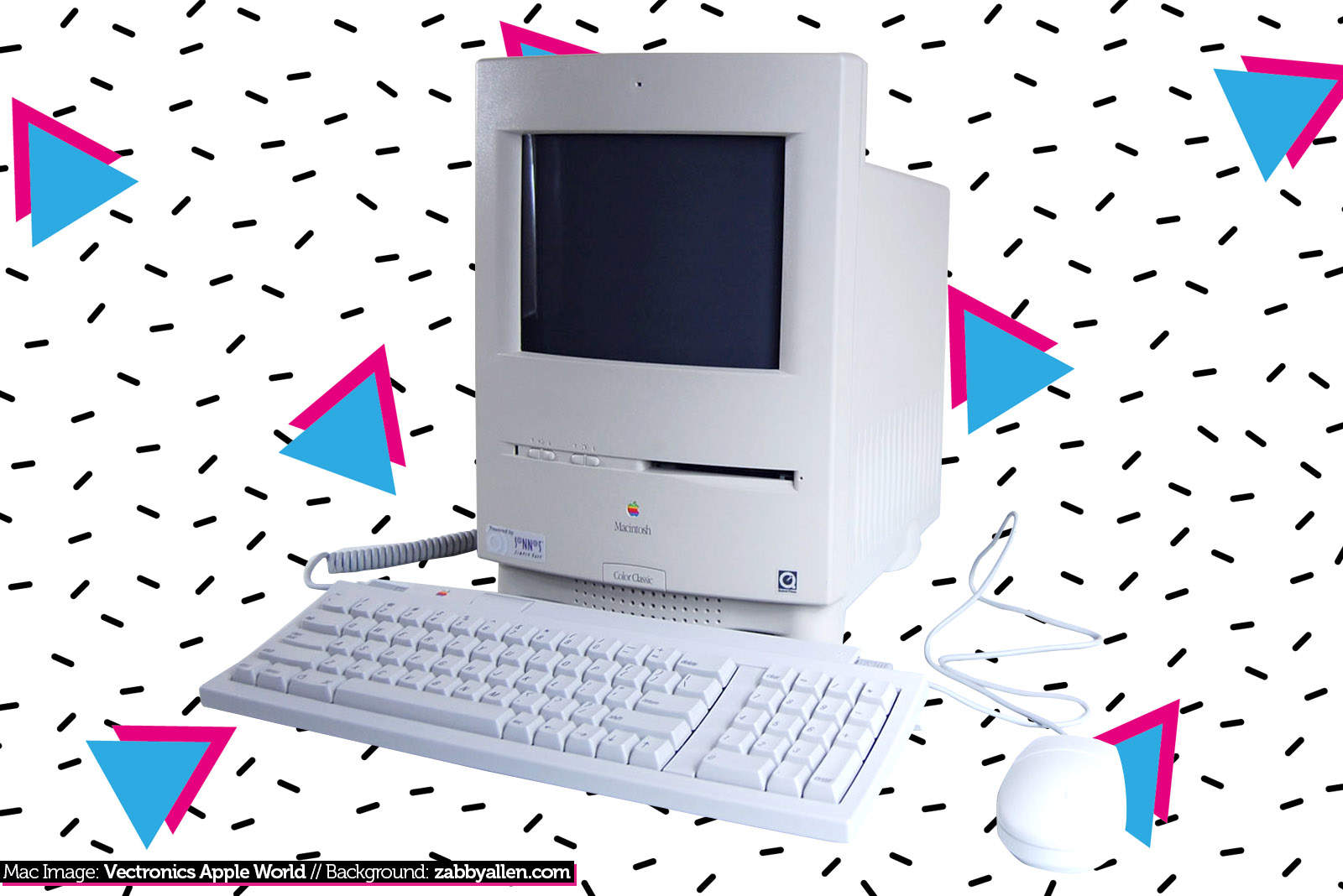
 October 10, 1993: Apple ships its Macintosh Color Classic II, the last of the 9-inch compact Macs.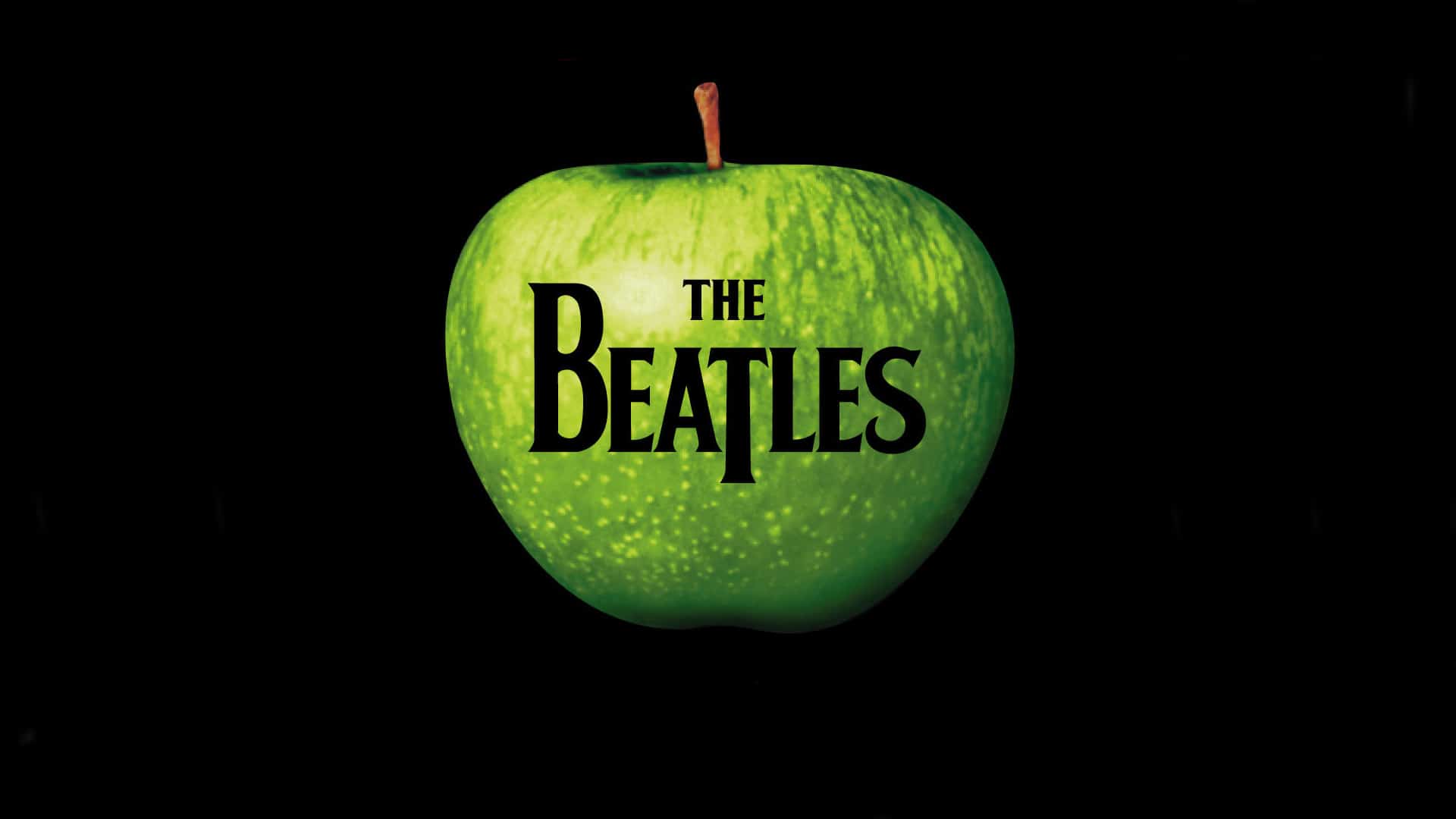
 October 9, 1991: A court orders Apple to pay $26.5 million to Apple Corps, The Beatles’ record label and holding company, for trademark infringement. The end of this Beatles versus Apple lawsuit marks the second time Cupertino is forced to pay the English rock band.
 October 8, 2014: Apple says it is “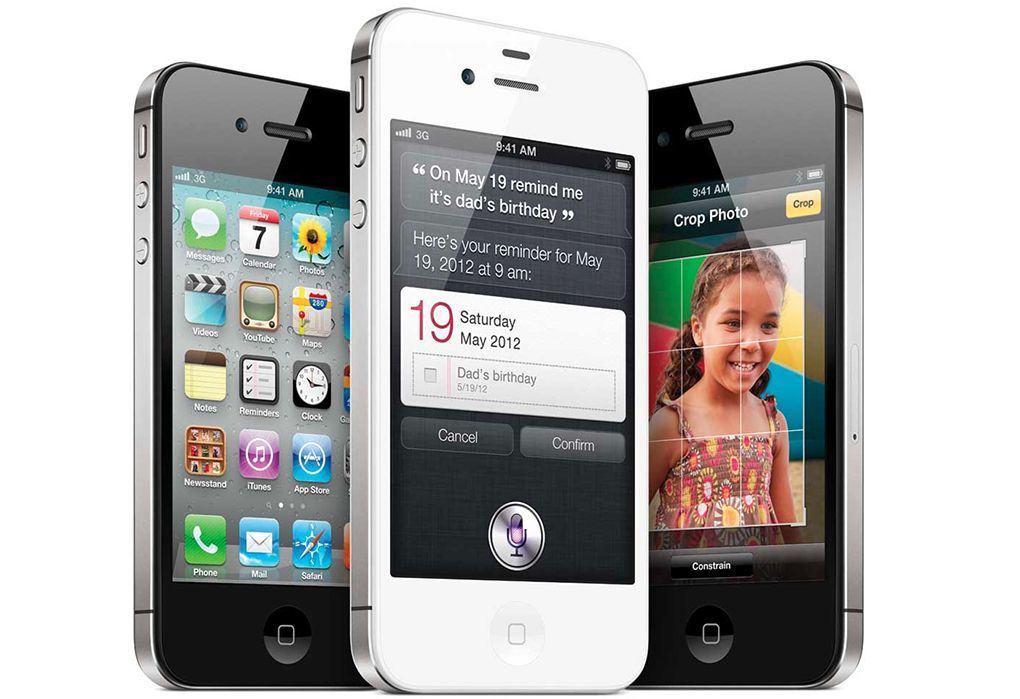
 October 7, 2011: Two days after the
 October 6, 1997: Michael Dell makes an incredibly bleak appraisal of Apple’s fortunes. Asked what he would do with the struggling company, the founder of Dell Inc. says he would “shut it down and give the money back to the shareholders.”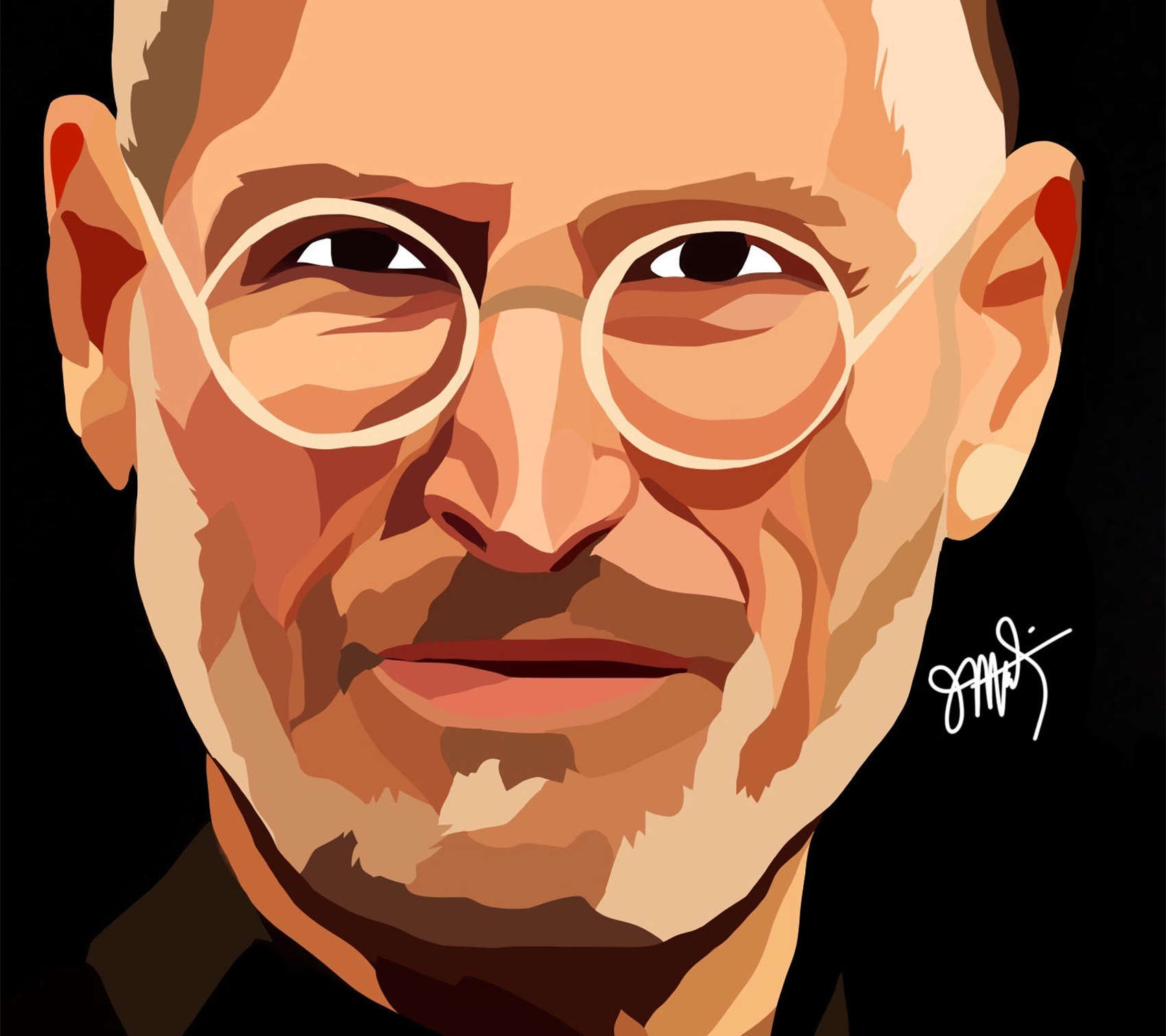
 October 5, 2011: Apple co-founder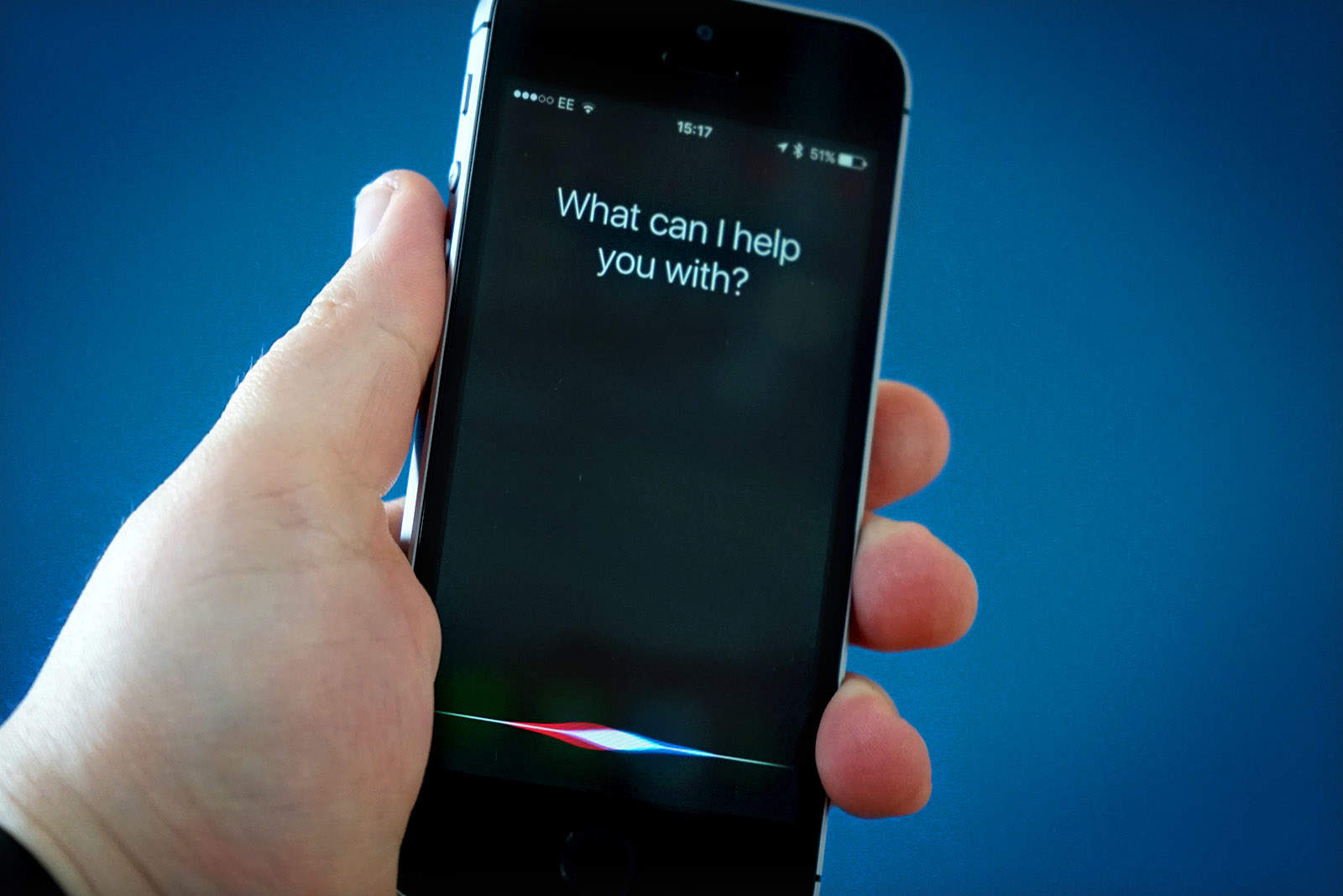
 October 4, 2011: With the unveiling of the iPhone 4s, Apple introduces the world to Siri.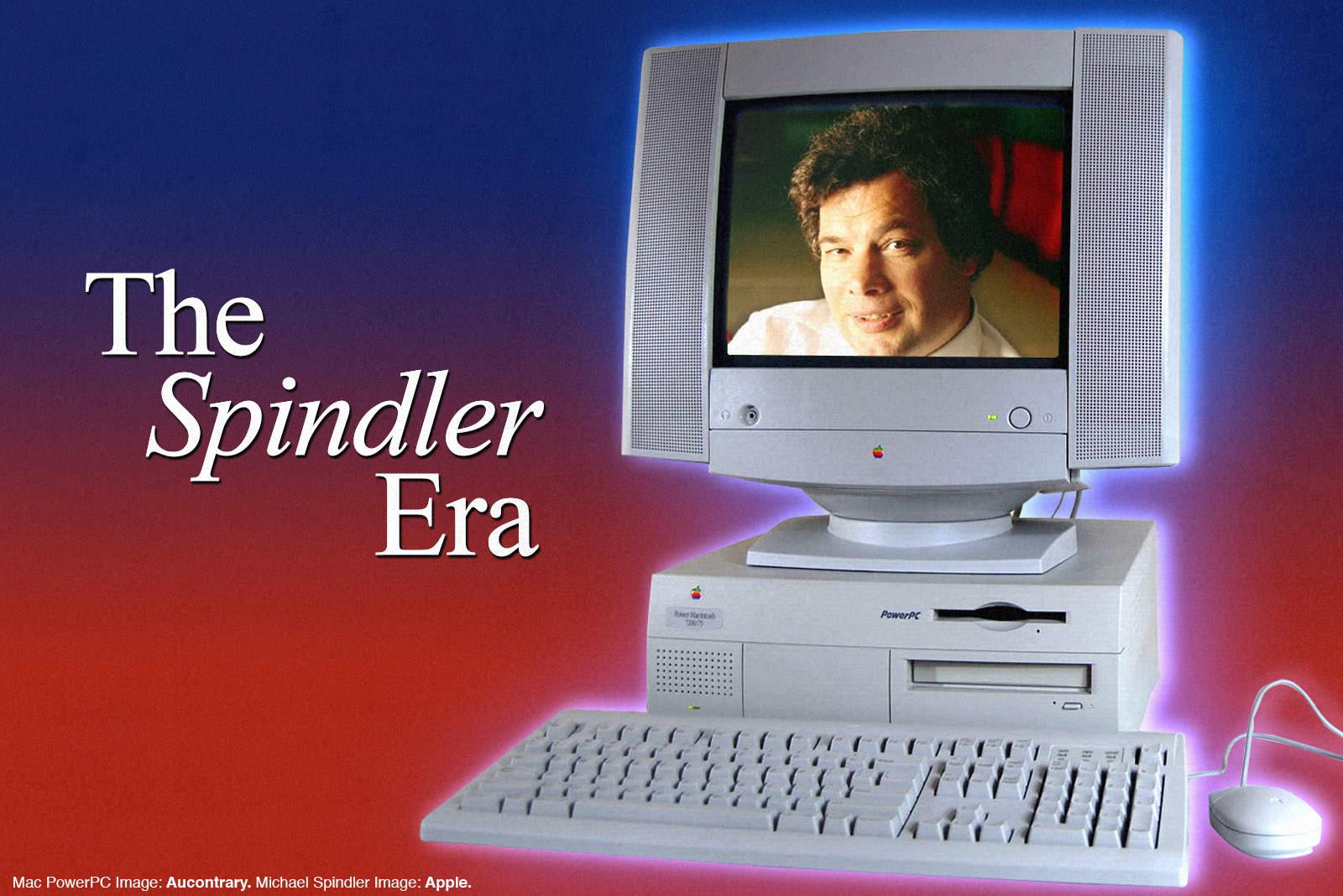
 October 3, 1994: Apple CEO Michael Spindler reassures the world that Apple “is not a lame-duck company.”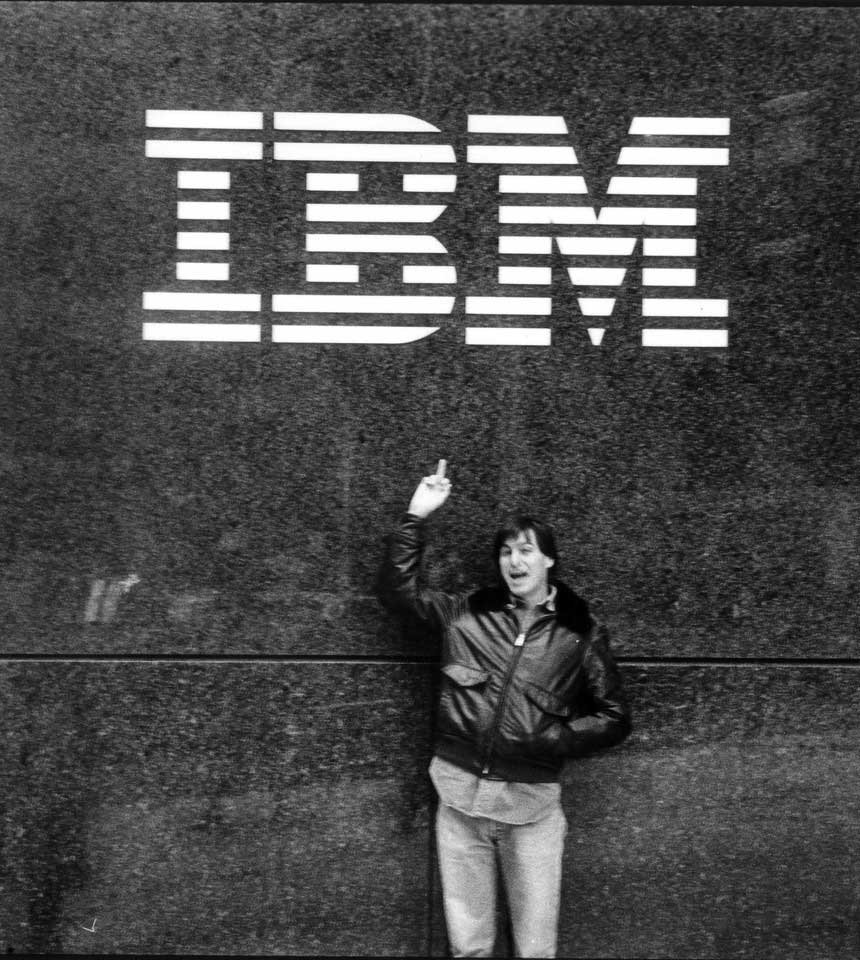
 October 2, 1991: As the Cold War comes to an end, hell freezes over a second time as Apple and IBM agree to put aside their differences. Having been bitter rivals for the past decade, the two tech giants host a press conference at the Fairmont hotel in San Francisco to unveil their new partnership.
 October 1, 2011: Just days before Apple plans to unveil the iPhone 4s, the device’s name leaks after the latest iTunes beta inadvertently spills the beans on the new name.
 September 30, 2002: Apple introduces iSync, a tool that lets Mac users synchronize their address books and calendars with their cellphones, iPods and Palm OS-compatible handheld organizers via Bluetooth.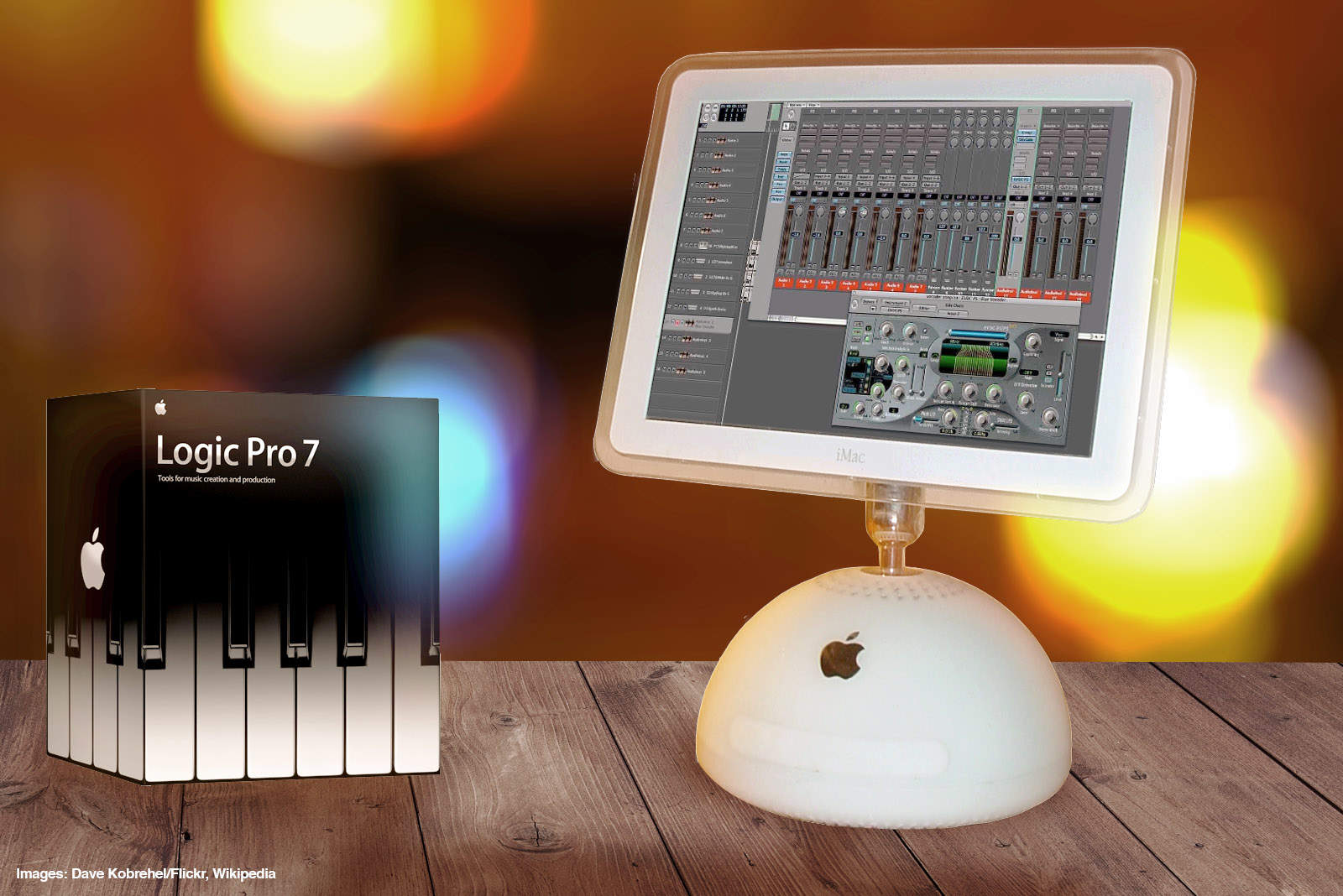
 September 29, 2004: Apple debuts Logic Pro 7, its professional music creation and audio production software. The update brings new tools and a streamlined interface in line with other Apple software.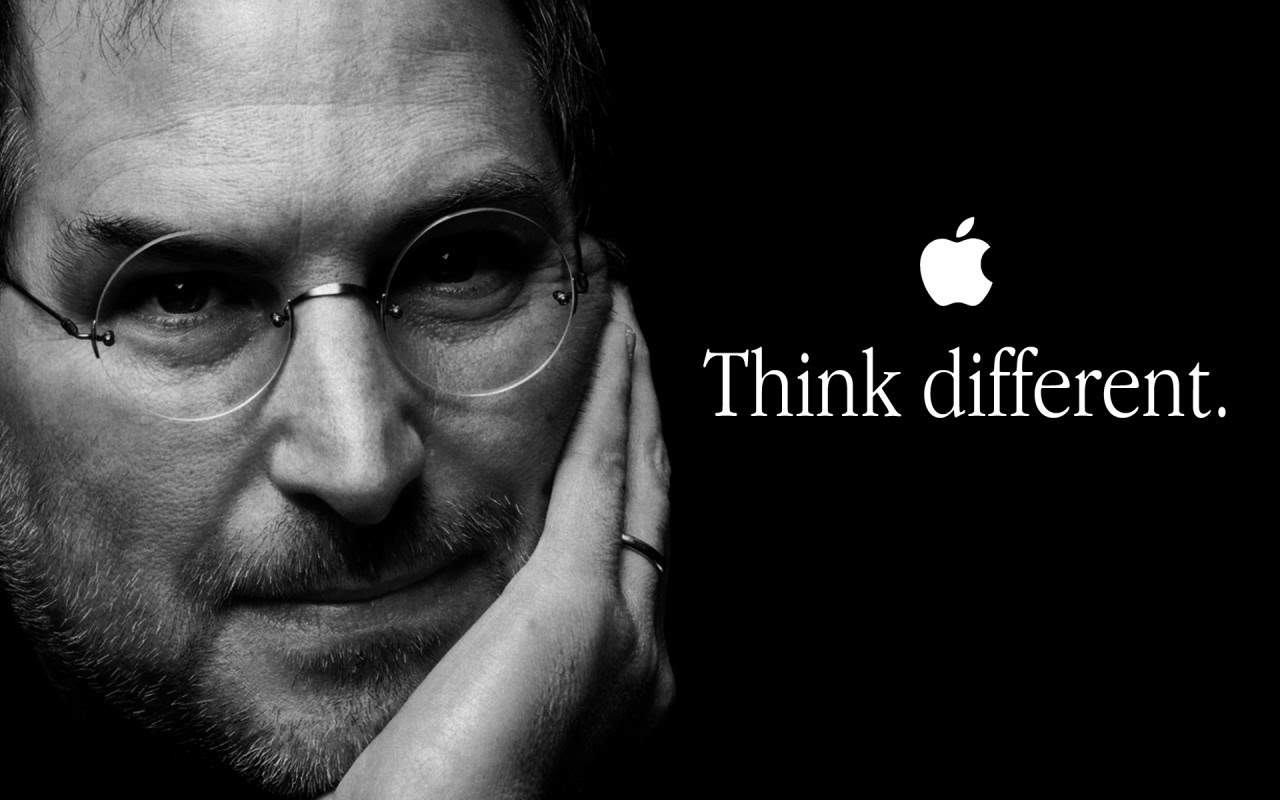
 September 28, 1997: Apple debuts its iconic “Think Different” ad campaign. The television commercial aligns the troubled computer company with some of history’s most celebrated freethinking rebels.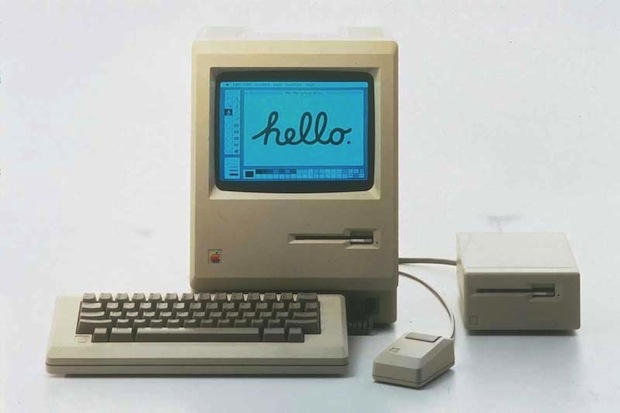
 September 27, 1979: Years before the Macintosh will ship, Steve Jobs and Jef Raskin clash for the first time over the direction of the R&D project to produce Apple’s revolutionary computer. Raskin, the founder of the Macintosh project, wants to produce a machine that’s affordable for everyone. Apple co-founder Jobs wants a computer that’s going to be the best, regardless of price.