Luke Dormehl is a UK-based journalist and author, with a background working in documentary film for Channel 4 and the BBC. He is the author of The Formula: How Algorithms Solve All Our Problems, And Create More and The Apple Revolution, both published by Penguin/Random House. His tech writing has also appeared in Wired, Fast Company, Techmeme, and other publications. He'd like you a lot if you followed him on Twitter.
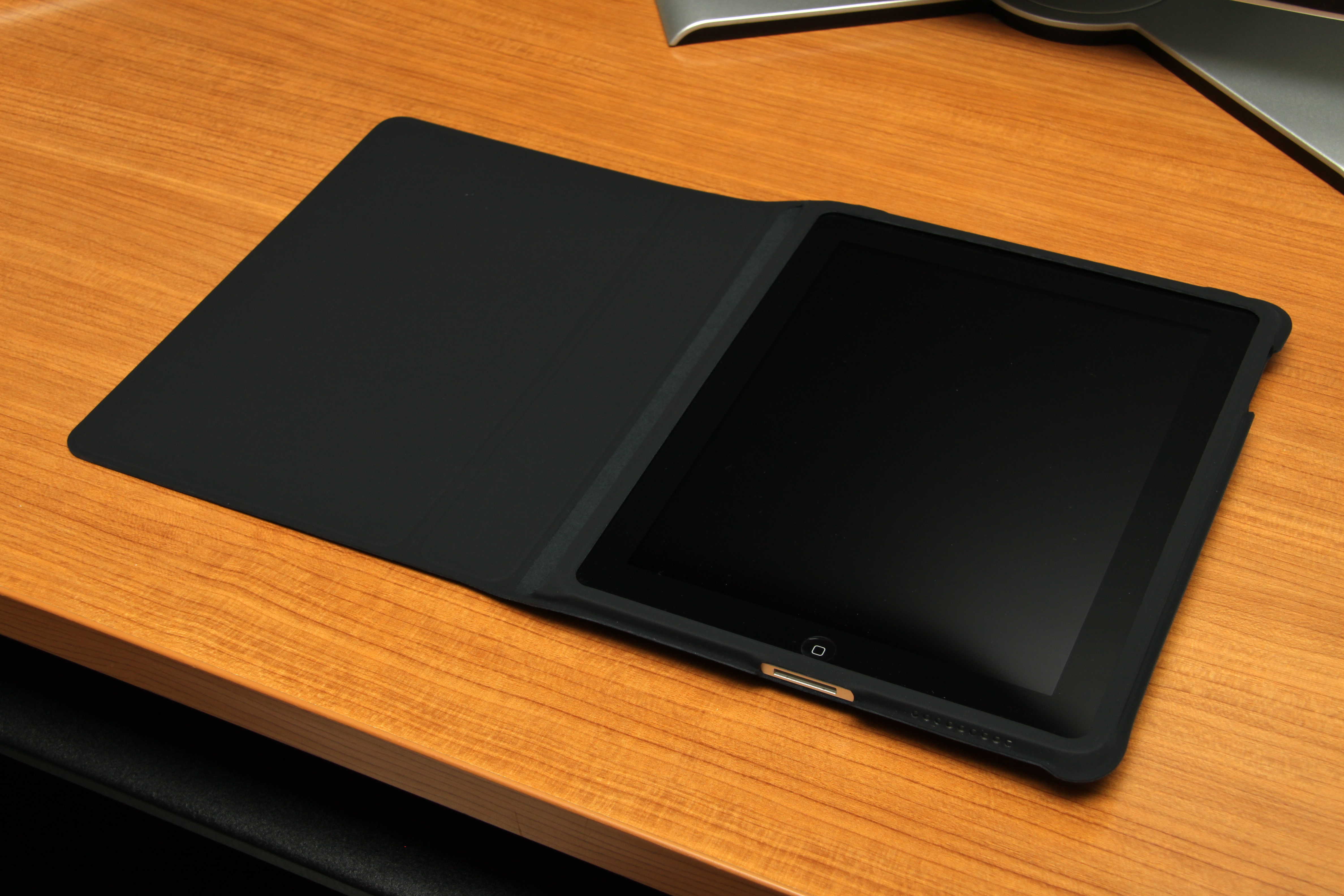
October 18, 2010: Just six months after the original iPad debuts, Steve Jobs reveals that Apple’s tablet already outsells the mighty Macintosh computer.
During the company’s fourth-quarter earnings call, Jobs says Apple sold 4.19 million iPads during the previous three months, compared with 3.89 million Macs.
The Performa 6320CD Mac delivered great performance for the price, luring new users. Photo: Shrine of Apple
October 17, 1996: Apple launches its Performa 6360 Mac in North America, sold elsewhere as the Power Macintosh 6300/160.
An impressive multimedia Mac, the Performa 6360 comes bundled with a TV/video card. It also lets users make phone calls, listen to CDs, and watch television — all of which seemed amazingly futuristic at the time. As Macs went, it was pretty affordable, too.
After Steve Jobs and Tim Cook, John Sculley is Apple's most memorable CEO. Photo: Web Summit/Flickr CC
October 15, 1993: John Sculley, the former CEO responsible for forcing Steve Jobs out of Apple, is forced to leave the company himself.
When Sculley resigns as Apple’s chairman, he takes $1 million in severance pay, a one-year consulting fee of $750,000, a commitment from Apple to buy his $4 million mansion and $2 million Lear jet, and $2.4 million in stock options. Total take: around $10 million.
Tim Cook was on his way to the top spot at Apple. Photo: Jim Merithew/Cult of Mac
October 14, 2005: Tim Cook takes the reins as Apple’s chief operating officer, continuing an upward climb through the company’s ranks that will make him CEO less than six years later.
“Tim and I have worked together for over seven years now, and I am looking forward to working even more closely with him to help Apple reach some exciting goals during the coming years,” Steve Jobs says in a statement.
October 13, 2006: Apple launches its limited-edition iPod nano (Product) Red Special Edition music player, with 10% of profits going to fight AIDS in Africa.
Created in association with U2 lead singer Bono and activist/attorney Bobby Shriver, it’s the first of many Apple philanthropic products. “We’re ecstatic that Apple is giving their customers the choice to buy a red iPod nano and help women and children affected by HIV/AIDS in Africa,” Bono says in a statement.
Steve Jobs called iCloud Apple's hard disk in the sky. Photo: Apple
October 12, 2011: Apple launches iCloud, a service that lets users automatically and wirelessly store content and push it to their various devices.
iCloud’s arrival marks the end of Apple’s Mac-centric “digital hub” strategy — and ushers in an age of inter-device communication and non-localized files.
The Color Classic II never shipped in the U.S., which makes it hard to find today. Photo: Ste Smith/Cult of Mac
October 10, 1993: Apple ships its Macintosh Color Classic II, the last of the 9-inch compact Macs.
Also known as the Performa 275, the Color Classic II will eventually become something of a collector’s item, since Apple released it only in Canada, Asia and Europe.
Apple versus The Beatles is one of the less-likely feuds in Apple history. Image: Apple Corps.
October 9, 1991: A court orders Apple to pay $26.5 million to Apple Corps, The Beatles’ record label and holding company, for trademark infringement. The end of this Beatles versus Apple lawsuit marks the second time Cupertino is forced to pay the English rock band.
The ruling comes a decade after Apple swore it would never get into the music business.
A sapphire glass screen was the most-requested possible feature for iPhone 6. Photo: GT Advanced Technologies
October 8, 2014: Apple says it is “surprised” after GT Advanced Technologies, the supplier previously rumored to make ultra-strong sapphire glass displays for the iPhone 6, says it will file for bankruptcy.
The announcement appears to mark the end of the road for sapphire glass iPhone screens, a highly anticipated upgrade that promised to make devices more durable but never arrived.
The iPhone 4s was the last iPhone that Steve Jobs directly worked on. Photo: Apple
October 7, 2011: Two days after the death of Steve Jobs, Apple opens preorders for its next-gen iPhone 4s.
The last iPhone that Jobs worked on directly, the 4s boasts a speedier A5 chip, improved 8-megapixel camera with 1080p HD video recording, and — most significantly — Apple’s new AI virtual assistant, Siri.
October 6, 1997: Michael Dell makes an incredibly bleak appraisal of Apple’s fortunes. Asked what he would do with the struggling company, the founder of Dell Inc. says he would “shut it down and give the money back to the shareholders.”
As incorrect forecasts go, this ultimately will go down as one of the more notable in tech history. But it doesn’t seem that way at the time.
Steve Jobs leaves an enduring legacy at Apple. Portrait: Jeremy Martin
October 5, 2011: Apple co-founder Steve Jobs dies at the age of 56 in his home in Palo Alto, California.
Jobs’ official cause of death is respiratory arrest arising from complications related to a rare type of pancreatic cancer. He was diagnosed with cancer eight years earlier, and officially stepped down from his role as Apple CEO in August 2011, just weeks before his death.
Apple envisioned an AI helper like Siri way back in the late 1980s. Photo: Ste Smith/Cult of Mac
October 4, 2011: With the unveiling of the iPhone 4s, Apple introduces the world to Siri.
A groundbreaking example of artificial intelligence in action, Siri’s debut fulfills a long-term dream at Apple. In fact, the company first predicted such a feature in the 1980s — with the Siri launch coming at almost the exact month Apple envisioned.
Apple faced big challenges during the Michael Spindler era. Photo: Ste Smith/Cult of Mac
October 3, 1994: Apple CEO Michael Spindler reassures the world that Apple “is not a lame-duck company.”
Why would anyone suspect that it is? The answer lies in collapsing Mac sales, massive layoffs and Apple’s $188 million quarterly loss. At 15 months into his stint as CEO, Spindler wants to reassure everyone that the worst is over.
Sadly, things will decline further before they start to turn around.
At one time, an Apple and IBM deal sounded impossible. Photo: Andy Hertzfield
October 2, 1991: As the Cold War comes to an end, hell freezes over a second time as Apple and IBM agree to put aside their differences. Having been bitter rivals for the past decade, the two tech giants host a press conference at the Fairmont hotel in San Francisco to unveil their new partnership.
“We want to be a major player in the computer industry,” Apple CEO John Sculley says. “The only way to do that is to work with another major player.”
While the iPhone 4s name and other key details leaked, Siri remained a surprise. Photo: Apple
October 1, 2011: Just days before Apple plans to unveil the iPhone 4s, the device’s name leaks after the latest iTunes beta inadvertently spills the beans on the new name.
The code also reveals that Apple’s new handset will come in black and white color options.
September 30, 2002: Apple introduces iSync, a tool that lets Mac users synchronize their address books and calendars with their cellphones, iPods and Palm OS-compatible handheld organizers via Bluetooth.
“iSync is the beginning of something really big,” Apple CEO Steve Jobs says in a press release announcing the iSync public beta. “With the push of a button, iSync synchronizes the address book and calendar on your Mac with those on your mobile phone.”
It represents a big leap forward in the ability of computers and mobile devices to talk with one another. And it hints at some of Apple’s later advances.
Logic Pro 7 was a great music creation tool for Apple fans. Photo: Ste Smith/Cult of Mac
September 29, 2004: Apple debuts Logic Pro 7, its professional music creation and audio production software. The update brings new tools and a streamlined interface in line with other Apple software.
Coming off the success of the iPod and the iTunes Music Store, the Logic Pro 7 launch — alongside its stripped-down sibling, Logic Express 7 — serves as a reminder of Apple’s dominance in music tech, for consumers and professionals alike.
Do you remember when Apple told you to think different? Photo: Apple
September 28, 1997: Apple debuts its iconic “Think Different” ad campaign. The television commercial aligns the troubled computer company with some of history’s most celebrated freethinking rebels.
The most famous tagline in Apple history, “Think Different” doesn’t just articulate how Cupertino differs from its competitors. It also highlights how Apple, under the leadership of CEO Steve Jobs, will forge a future far different from its floundering, money-losing days of the early 1990s.
The war over the Macintosh's soul started on this day in 1979. Photo: Apple
September 27, 1979: Years before the Macintosh will ship, Steve Jobs and Jef Raskin clash for the first time over the direction of the R&D project to produce Apple’s revolutionary computer. Raskin, the founder of the Macintosh project, wants to produce a machine that’s affordable for everyone. Apple co-founder Jobs wants a computer that’s going to be the best, regardless of price.
Remember when Apple used to lose money? Photo: Apfelike
September 26, 1997: In one of his first tasks after returning to Apple as interim CEO, Steve Jobs reveals the company’s massive quarterly loss of $161 million. It’s Apple’s biggest loss ever.
Giving investors the bad news is miserable, but things are about to change dramatically for Cupertino.
September 25, 2006: Apple ships its second-generation iPod nano, offering a fancy redesign of the pocket-size original.
“iPod nano is the world’s most popular digital music player, and we’ve completely redesigned it to make it even better,” said Apple CEO Steve Jobs in a press release. “The all-new iPod nano gives music fans more of what they love in their iPods.”
Among the new iPod nano’s improvements are a slimmer, anodized aluminum casing; a brighter screen; longer battery life, and a wide range of colors. And, oh yes, it also includes gapless music playback for the first time!
Will the real rights holder please stand up! Photo: Apple
September 24, 2009: After Eminem sues Apple, the company’s lawyers head to court to defend the company against the rapper’s music publisher, Eight Mile Style. The lawsuit alleges that Apple unlawfully sold 93 of Eminem’s songs on the iTunes Music Store.
This marks the second time Apple finds itself on the opposite side of a courtroom from the Detroit rapper. (A previous lawsuit involved improper use of Eminem’s hit single “Lose Yourself” in an iTunes ad.)

 October 18, 2010: Just six months after the original iPad debuts, Steve Jobs reveals that Apple’s tablet already outsells the mighty Macintosh computer.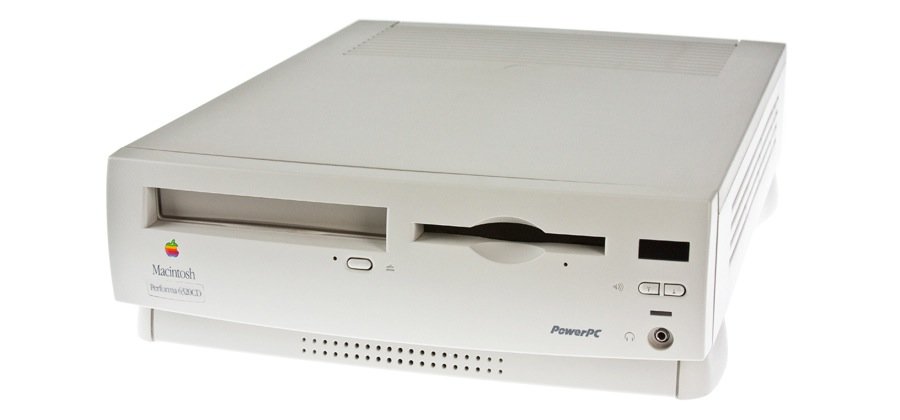
 October 17, 1996: Apple launches its Performa 6360 Mac in North America, sold elsewhere as the Power Macintosh 6300/160.
 October 16, 2003: Six months after opening the iTunes Music Store for Mac owners, Apple expands the service to cover Windows PCs as well.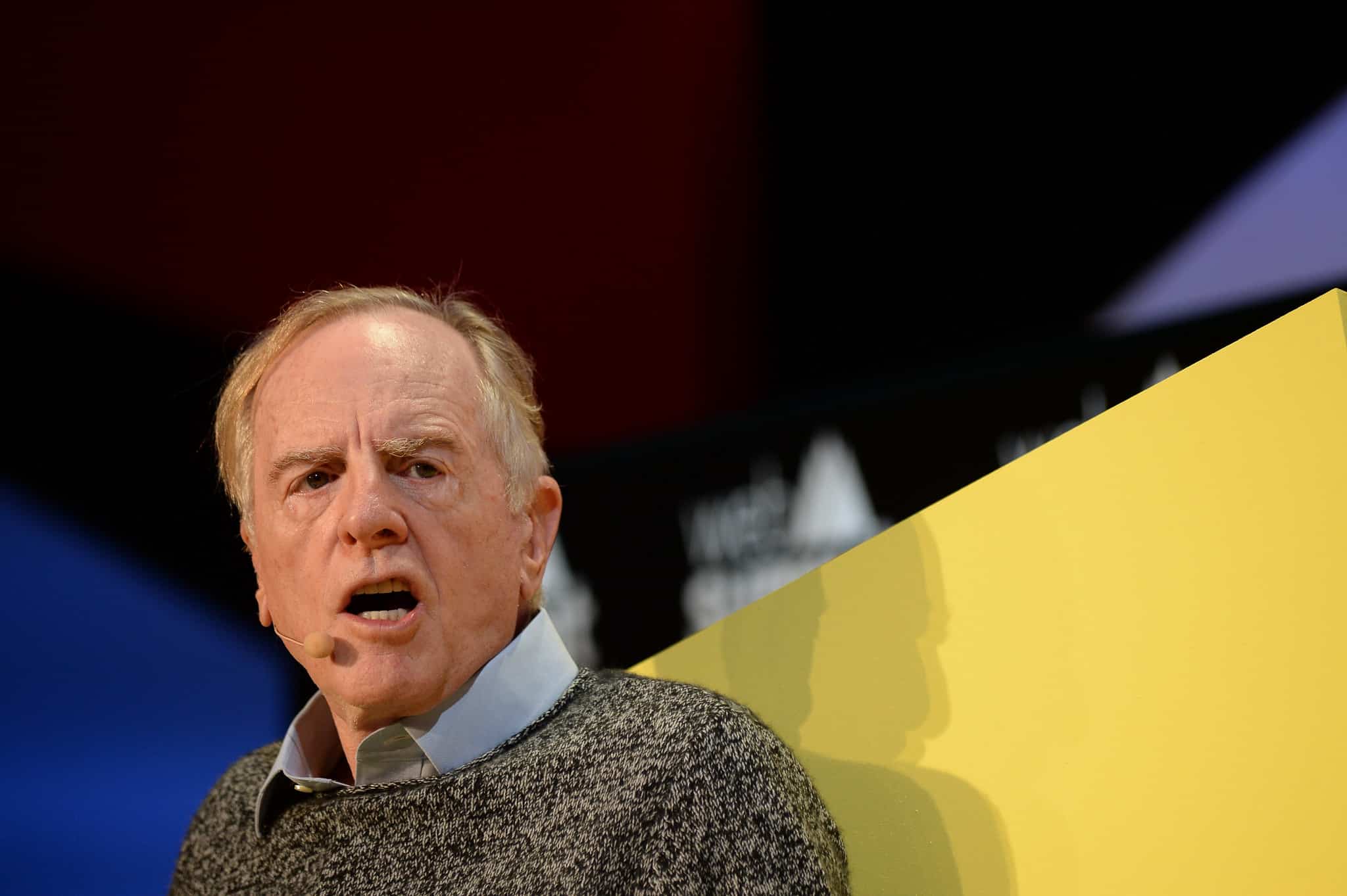
 October 15, 1993: John Sculley, the former CEO responsible for forcing Steve Jobs out of Apple, is forced to leave the company himself.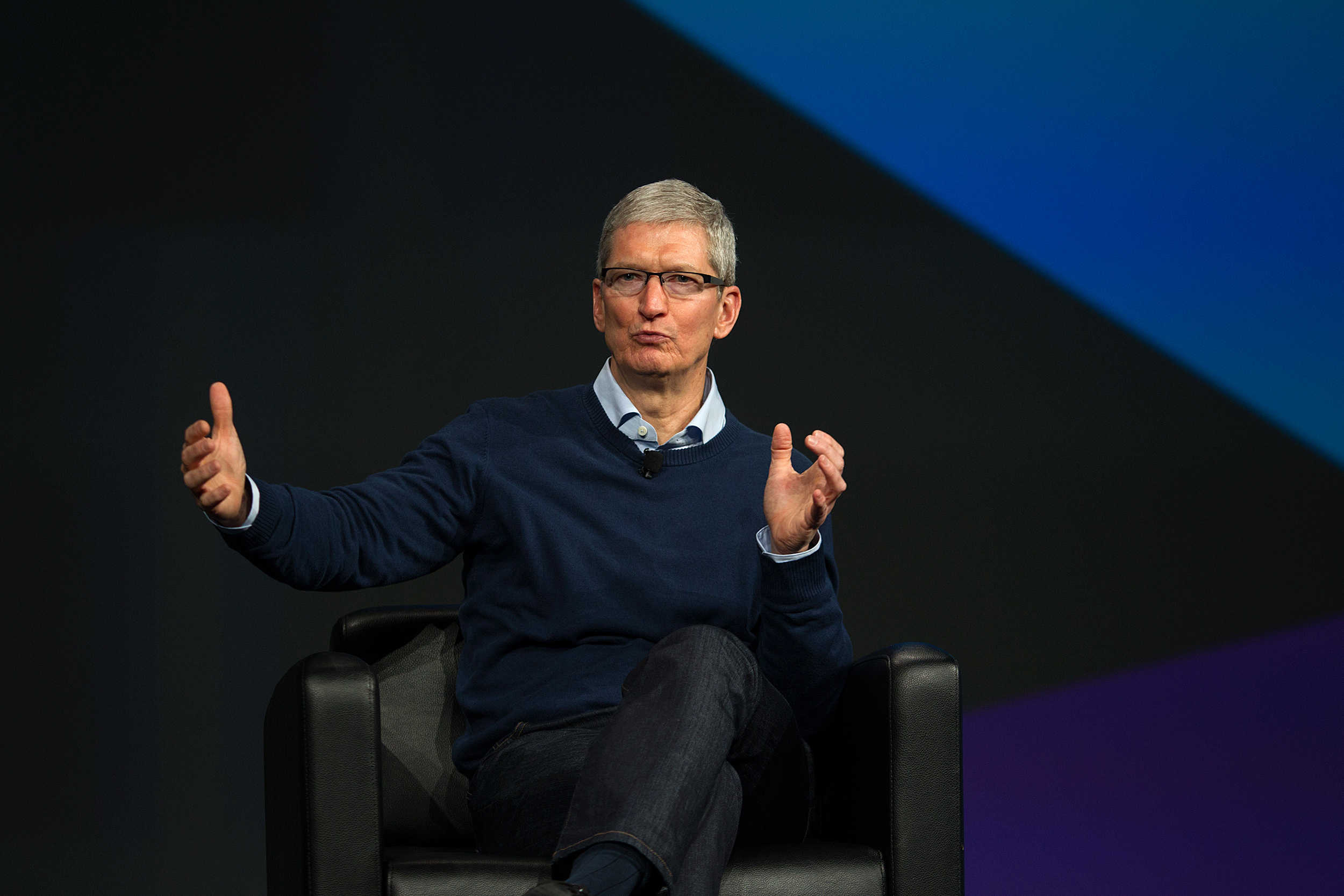
 October 14, 2005: Tim Cook takes the reins as Apple’s chief operating officer, continuing an upward climb through the company’s ranks that will make him CEO less than six years later.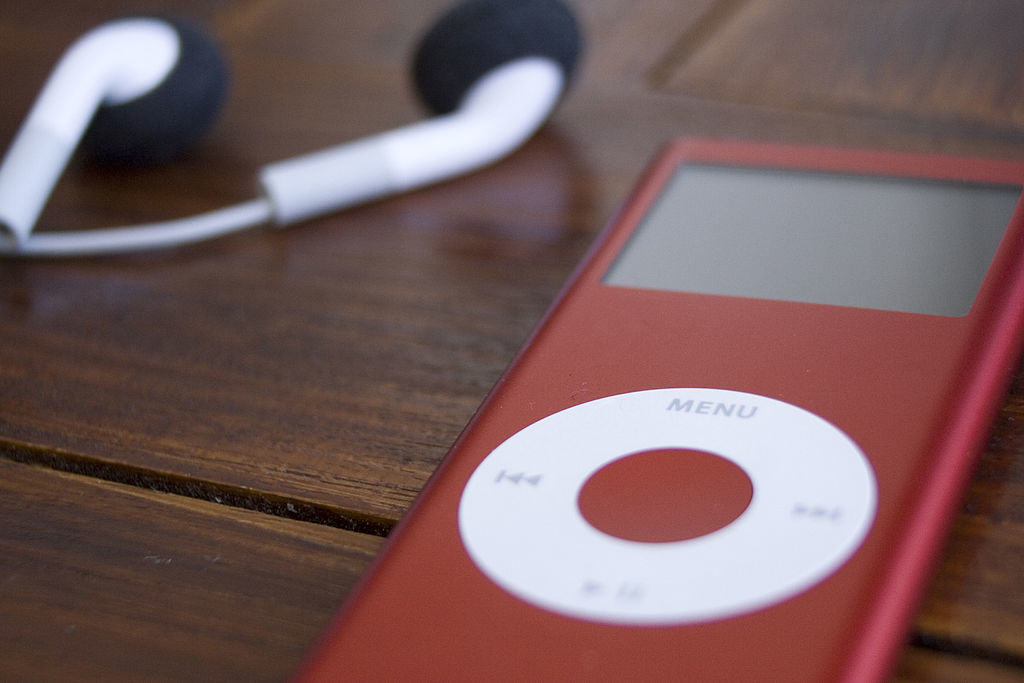
 October 13, 2006: Apple launches its limited-edition iPod nano (Product) Red Special Edition music player, with 10% of profits going to fight AIDS in Africa.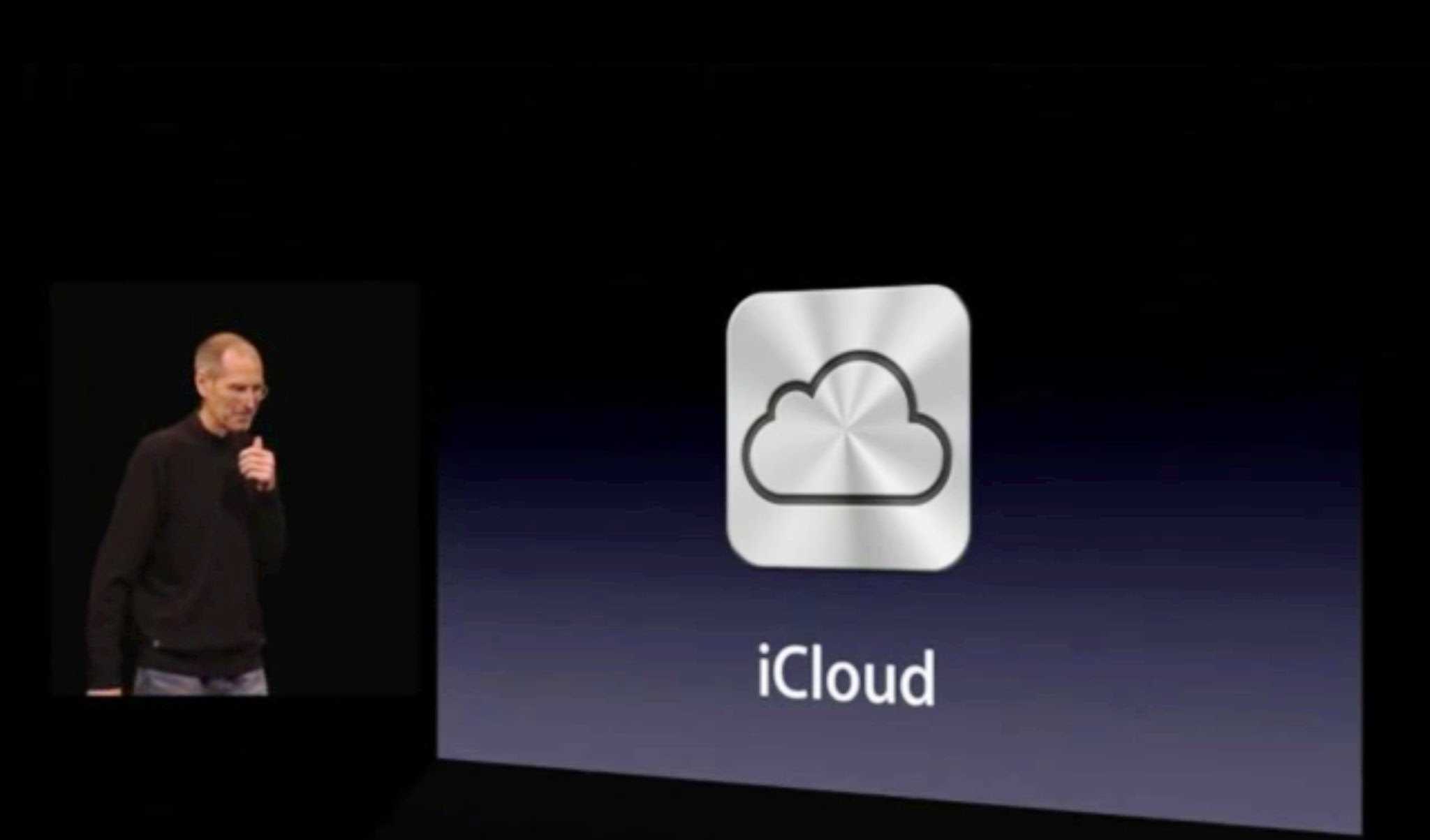
 October 12, 2011: Apple launches iCloud, a service that lets users automatically and wirelessly store content and push it to their various devices.
 October 11, 1995: Steve Jobs files the paperwork to float Pixar Animation Studios on the stock market.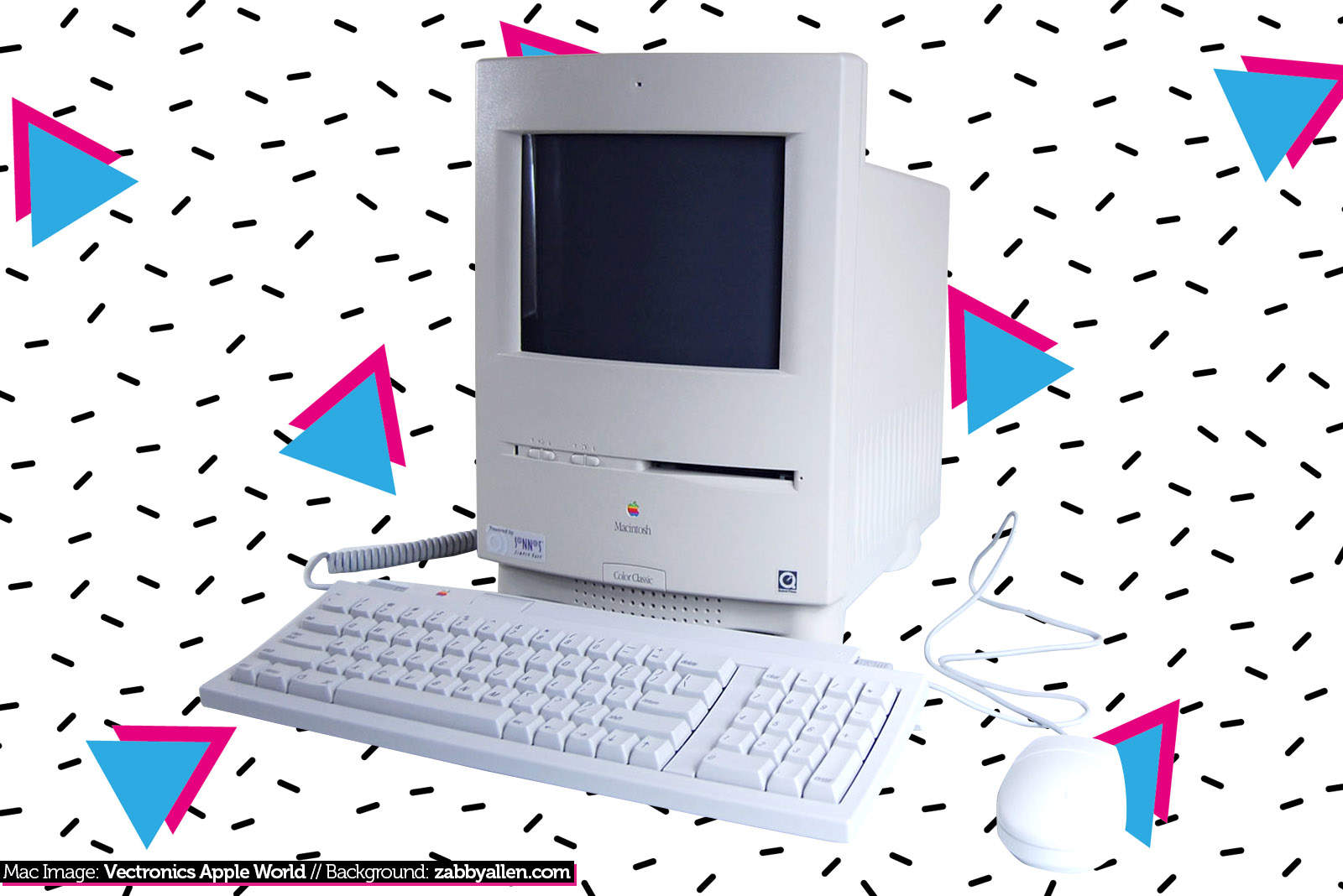
 October 10, 1993: Apple ships its Macintosh Color Classic II, the last of the 9-inch compact Macs.
 October 9, 1991: A court orders Apple to pay $26.5 million to Apple Corps, The Beatles’ record label and holding company, for trademark infringement. The end of this Beatles versus Apple lawsuit marks the second time Cupertino is forced to pay the English rock band.
 October 8, 2014: Apple says it is “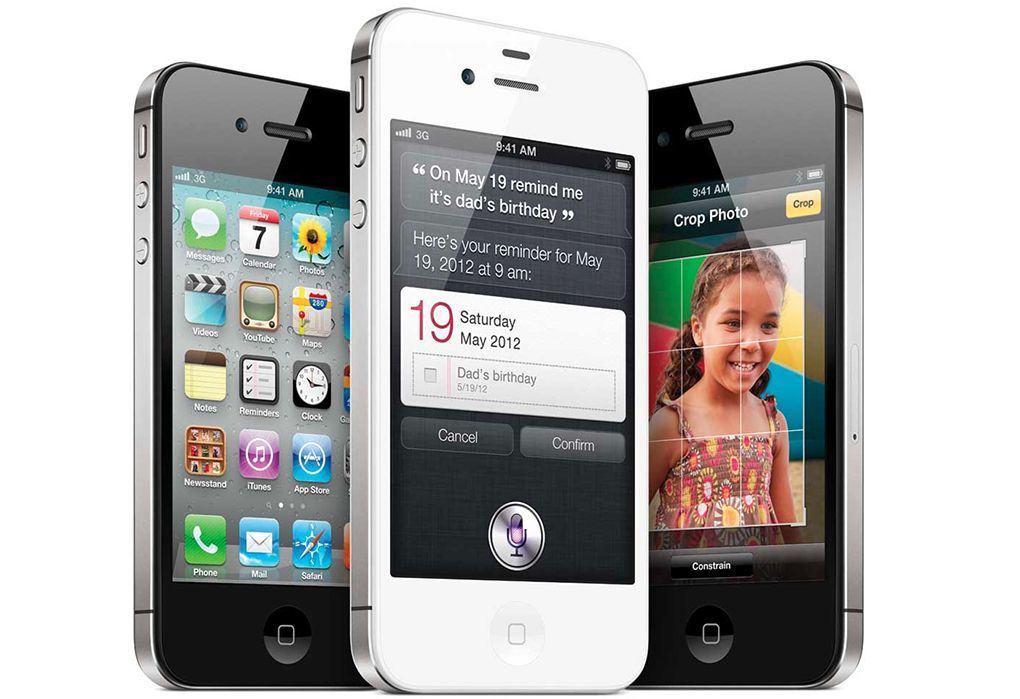
 October 7, 2011: Two days after the
 October 6, 1997: Michael Dell makes an incredibly bleak appraisal of Apple’s fortunes. Asked what he would do with the struggling company, the founder of Dell Inc. says he would “shut it down and give the money back to the shareholders.”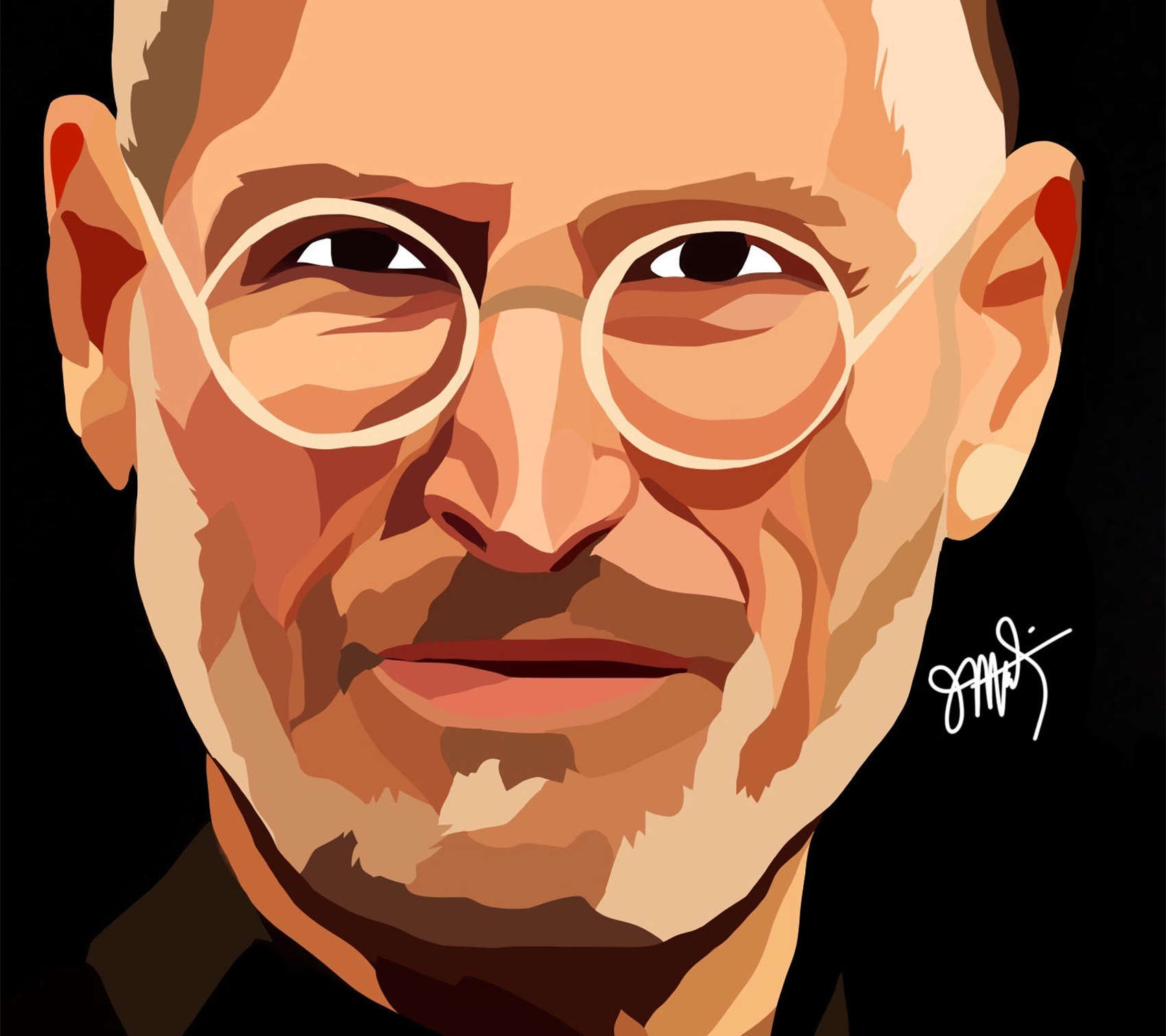
 October 5, 2011: Apple co-founder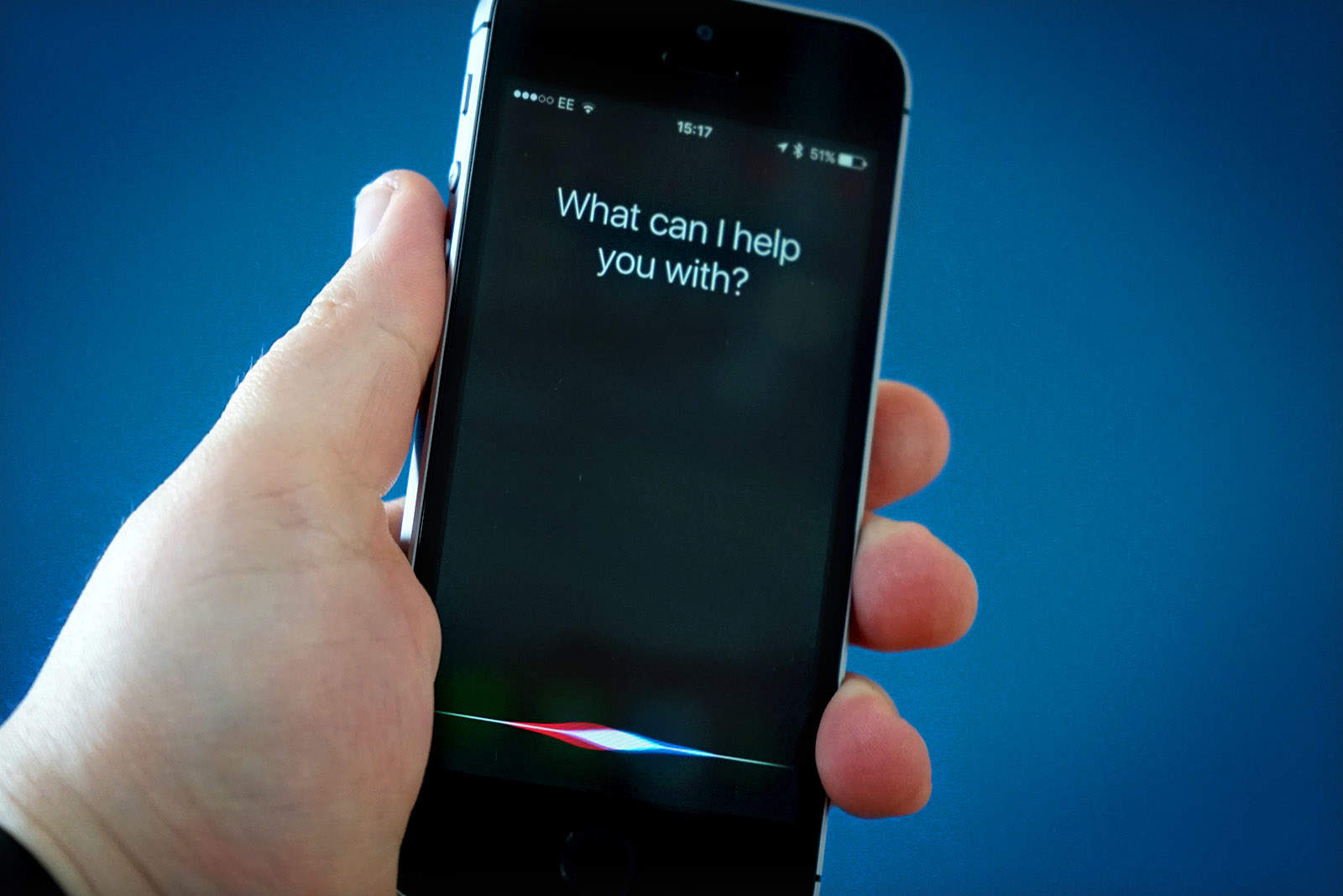
 October 4, 2011: With the unveiling of the iPhone 4s, Apple introduces the world to Siri.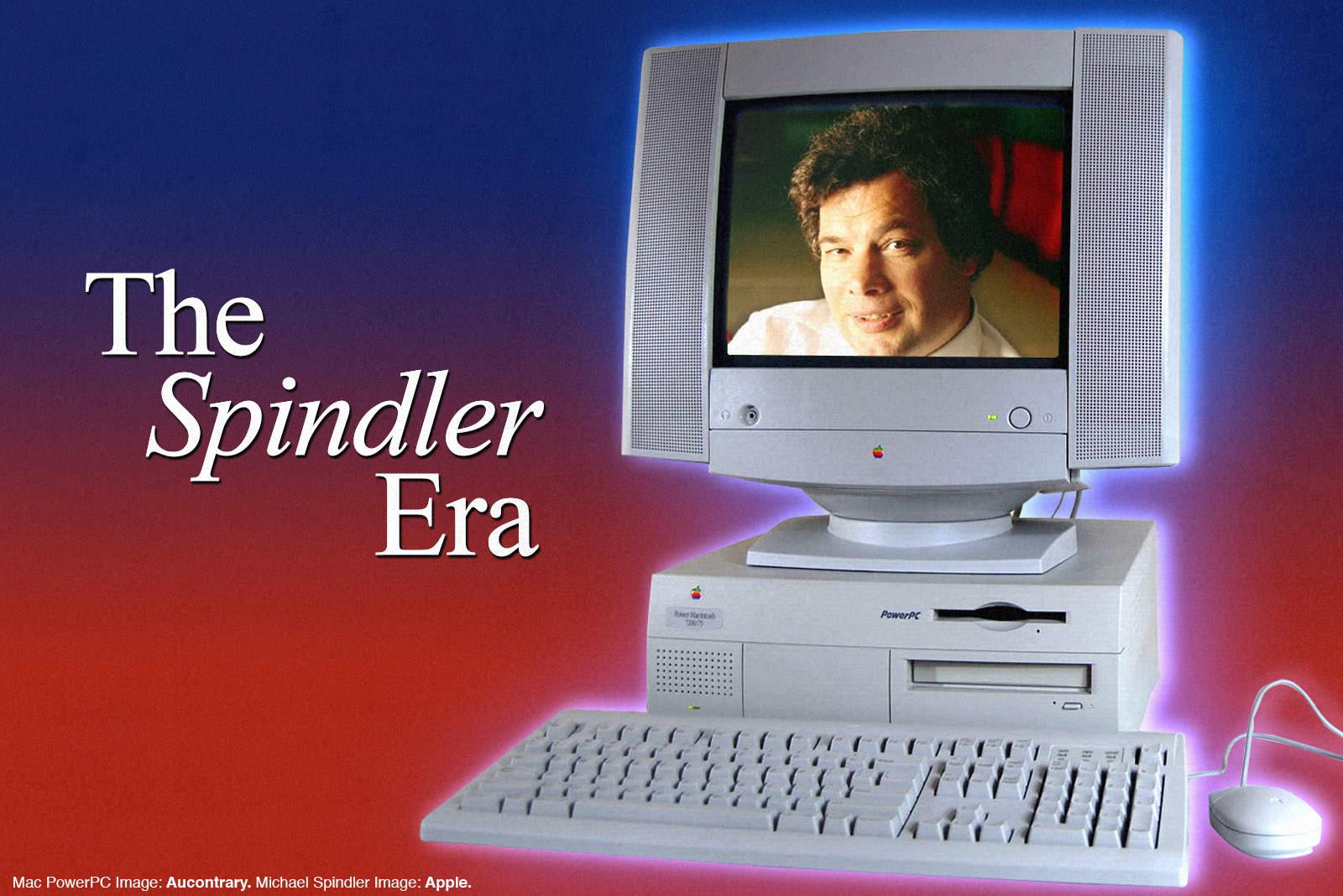
 October 3, 1994: Apple CEO Michael Spindler reassures the world that Apple “is not a lame-duck company.”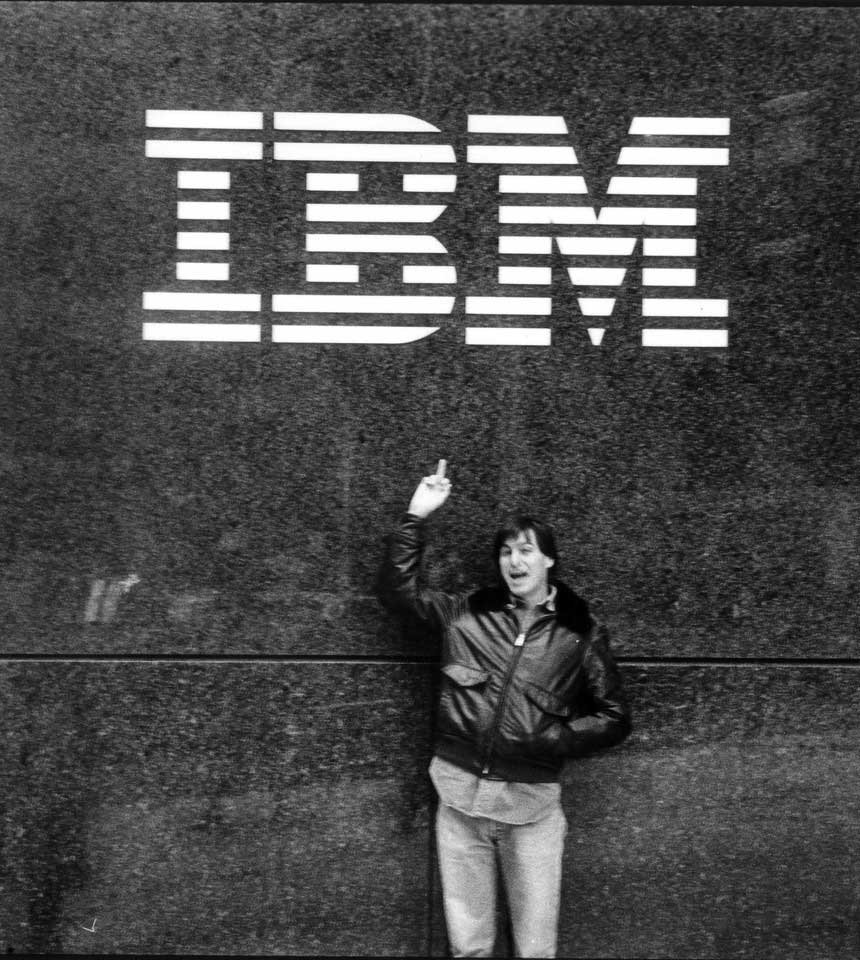
 October 2, 1991: As the Cold War comes to an end, hell freezes over a second time as Apple and IBM agree to put aside their differences. Having been bitter rivals for the past decade, the two tech giants host a press conference at the Fairmont hotel in San Francisco to unveil their new partnership.
 October 1, 2011: Just days before Apple plans to unveil the iPhone 4s, the device’s name leaks after the latest iTunes beta inadvertently spills the beans on the new name.
 September 30, 2002: Apple introduces iSync, a tool that lets Mac users synchronize their address books and calendars with their cellphones, iPods and Palm OS-compatible handheld organizers via Bluetooth.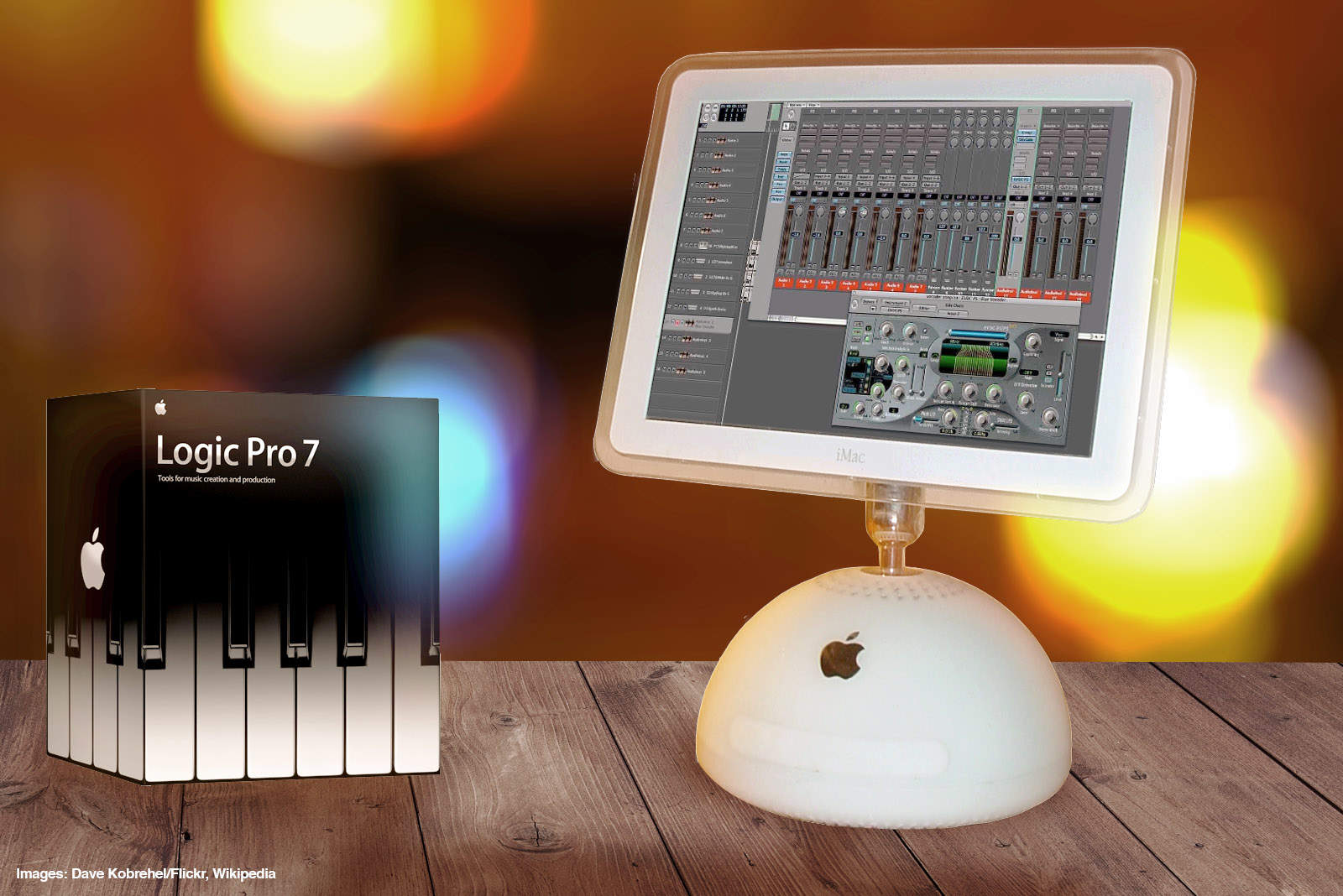
 September 29, 2004: Apple debuts Logic Pro 7, its professional music creation and audio production software. The update brings new tools and a streamlined interface in line with other Apple software.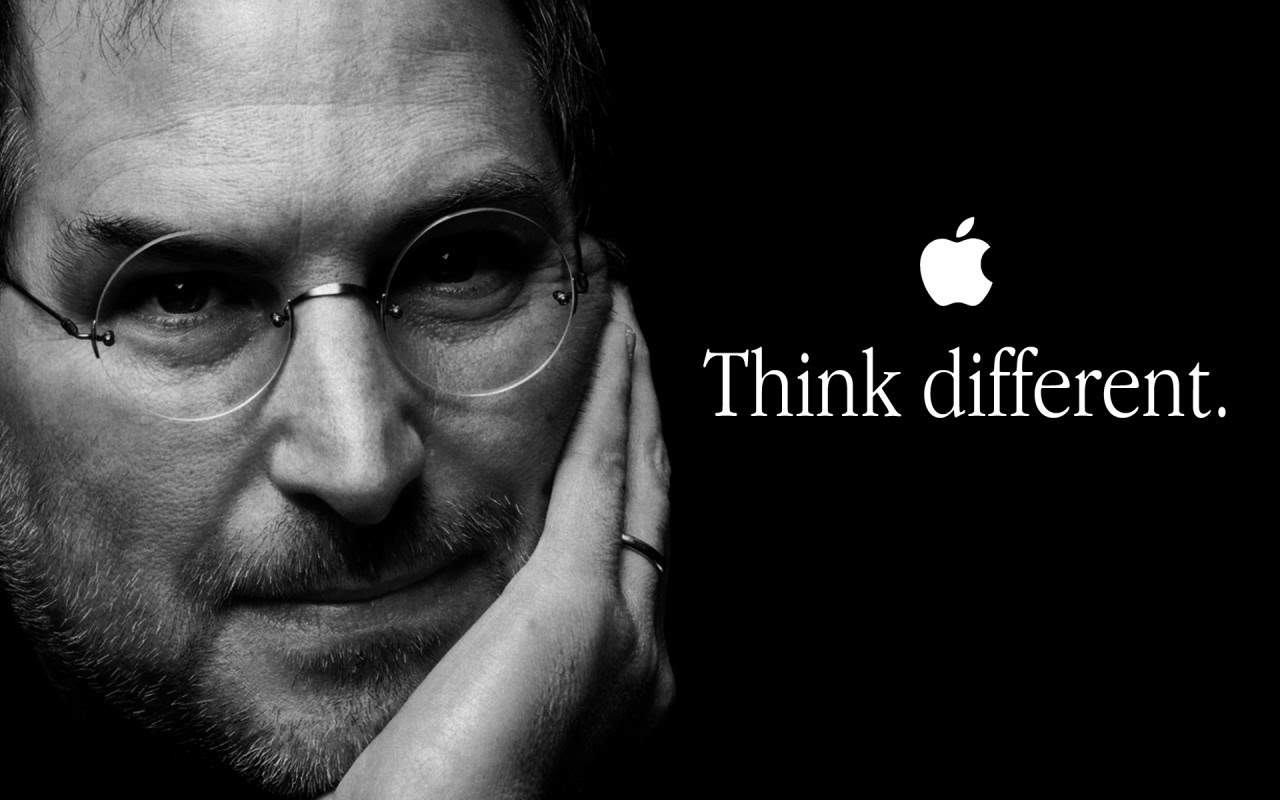
 September 28, 1997: Apple debuts its iconic “Think Different” ad campaign. The television commercial aligns the troubled computer company with some of history’s most celebrated freethinking rebels.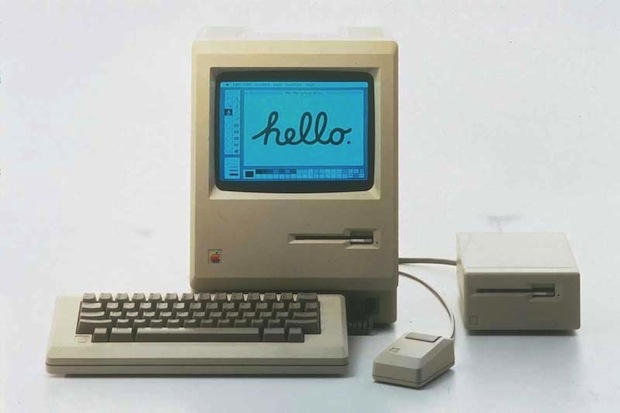
 September 27, 1979: Years before the Macintosh will ship, Steve Jobs and Jef Raskin clash for the first time over the direction of the R&D project to produce Apple’s revolutionary computer. Raskin, the founder of the Macintosh project, wants to produce a machine that’s affordable for everyone. Apple co-founder Jobs wants a computer that’s going to be the best, regardless of price.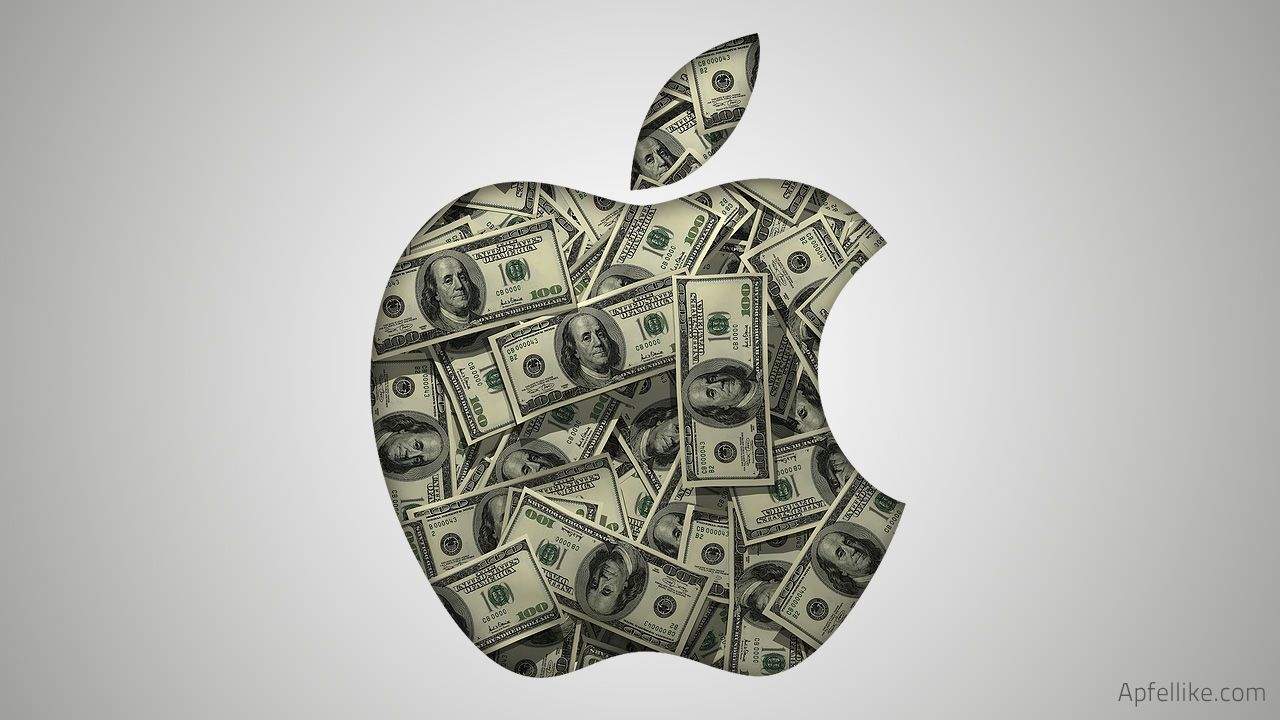
 September 26, 1997: In one of his first tasks after returning to Apple as interim CEO, Steve Jobs reveals the company’s massive quarterly loss of $161 million. It’s Apple’s biggest loss ever.
 September 25, 2006: Apple ships its second-generation iPod nano, offering a fancy redesign of the pocket-size original.
 September 24, 2009: After Eminem sues Apple, the company’s lawyers head to court to defend the company against the rapper’s music publisher, Eight Mile Style. The lawsuit alleges that Apple unlawfully sold 93 of Eminem’s songs on the iTunes Music Store.