
 November 9, 1994: Gil Amelio, a businessman with a reputation as a talented turnaround artist, joins Apple’s board.
Coming off his impressive revitalization of two other tech companies, National Semiconductor and Rockwell International, Amelio’s appointment at Apple sparks widespread celebration. Many Apple watchers think his arrival means the company’s dark days are over. Sadly, Amelio’s turnaround tricks won’t work in Cupertino.
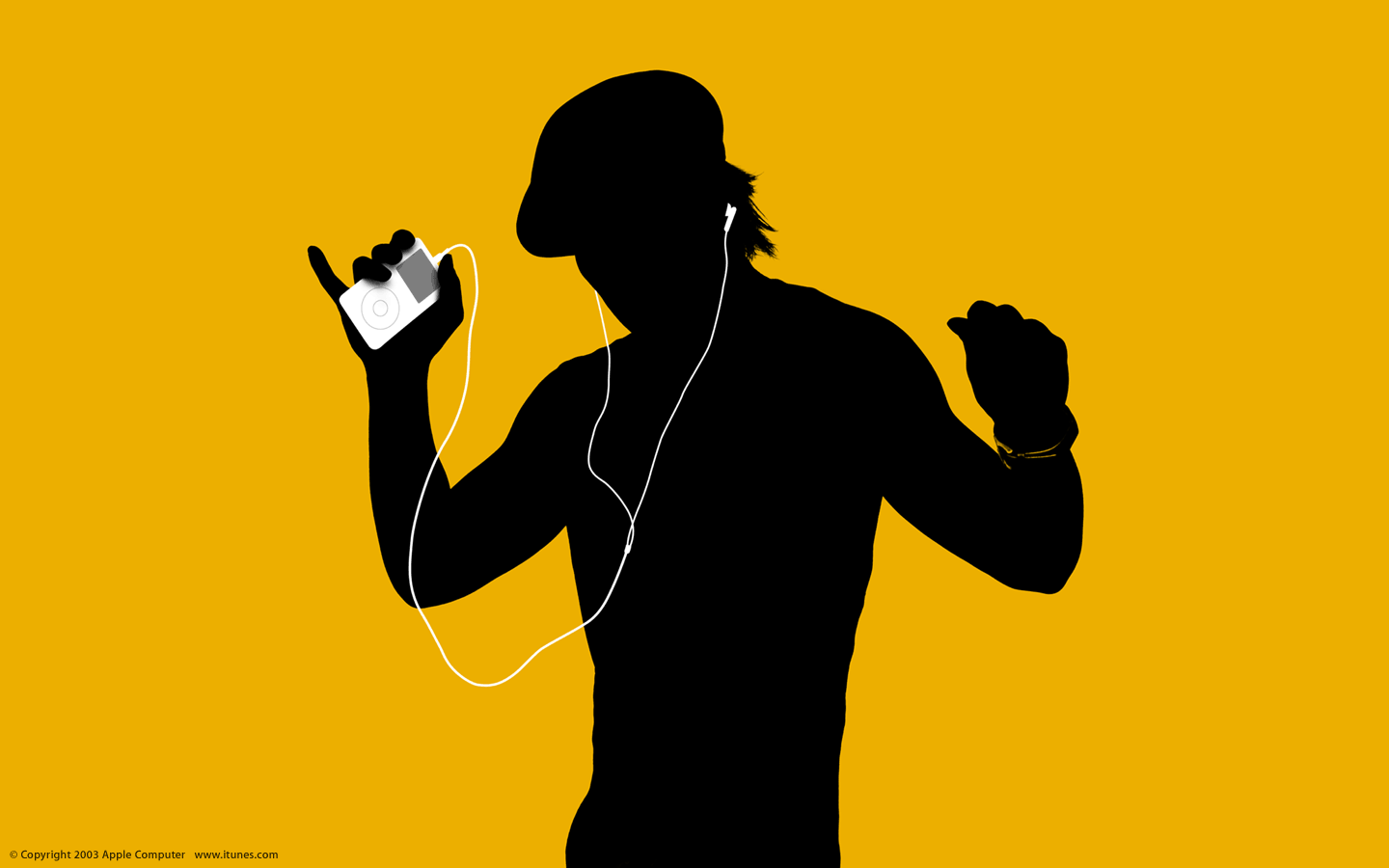
 November 6, 2003: After porting iTunes to Windows, Apple sets a new record for digital music sales: a massive 1.5 million downloads in one week.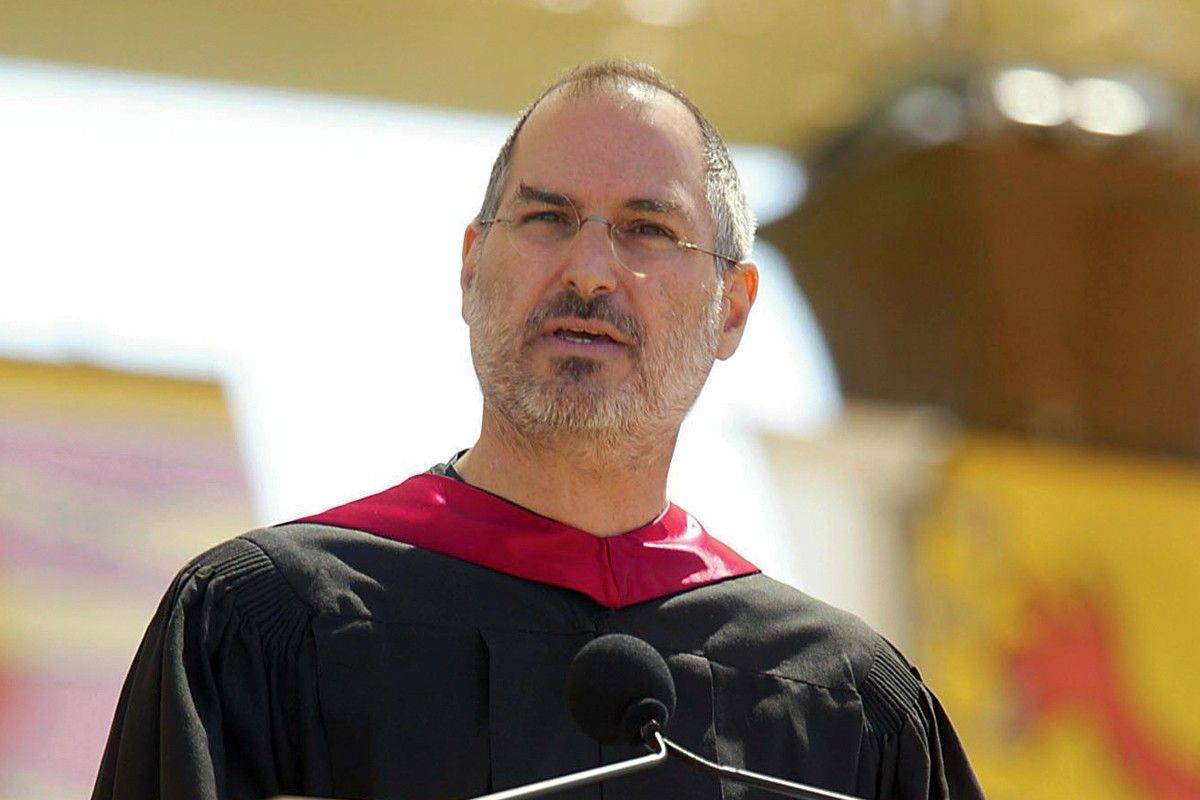
 November 5, 2009: Fortune magazine names Steve Jobs “CEO of the decade.” The accolade comes just four months after
 November 4, 1997: Apple unveils its plan to open small “store within a store” sections inside CompUSA outlets around the United States.
 October 31, 2005: Less than three weeks after launching video downloads with iTunes 6, Apple reveals that it has already sold more than 1 million music videos.
 October 29, 2012: Scott Forstall, Apple’s senior vice president of iOS software, is fired from the company after the disastrous Apple Maps launch. After Forstall is ousted, Apple divvies up the roles he previously handled among other high-level execs.
 October 28, 2012: More than a year after Steve Jobs’ death, the luxury yacht he commissioned is
 October 27, 1999: Dell Computer overtakes Apple in the educational market, stealing Cupertino’s crown as the top company selling computers to U.S. schools. Dell’s cheap Windows PCs make sense for schools looking to buy computers without breaking the bank.
 October 24, 1988: Three years
 October 23, 2001: Apple CEO Steve Jobs introduces the first iPod, a device capable of storing an entire music library in a highly portable package.
 October 22, 2008: During an Apple conference call, Steve Jobs reveals that a user downloaded the 200 millionth app from the App Store that very day.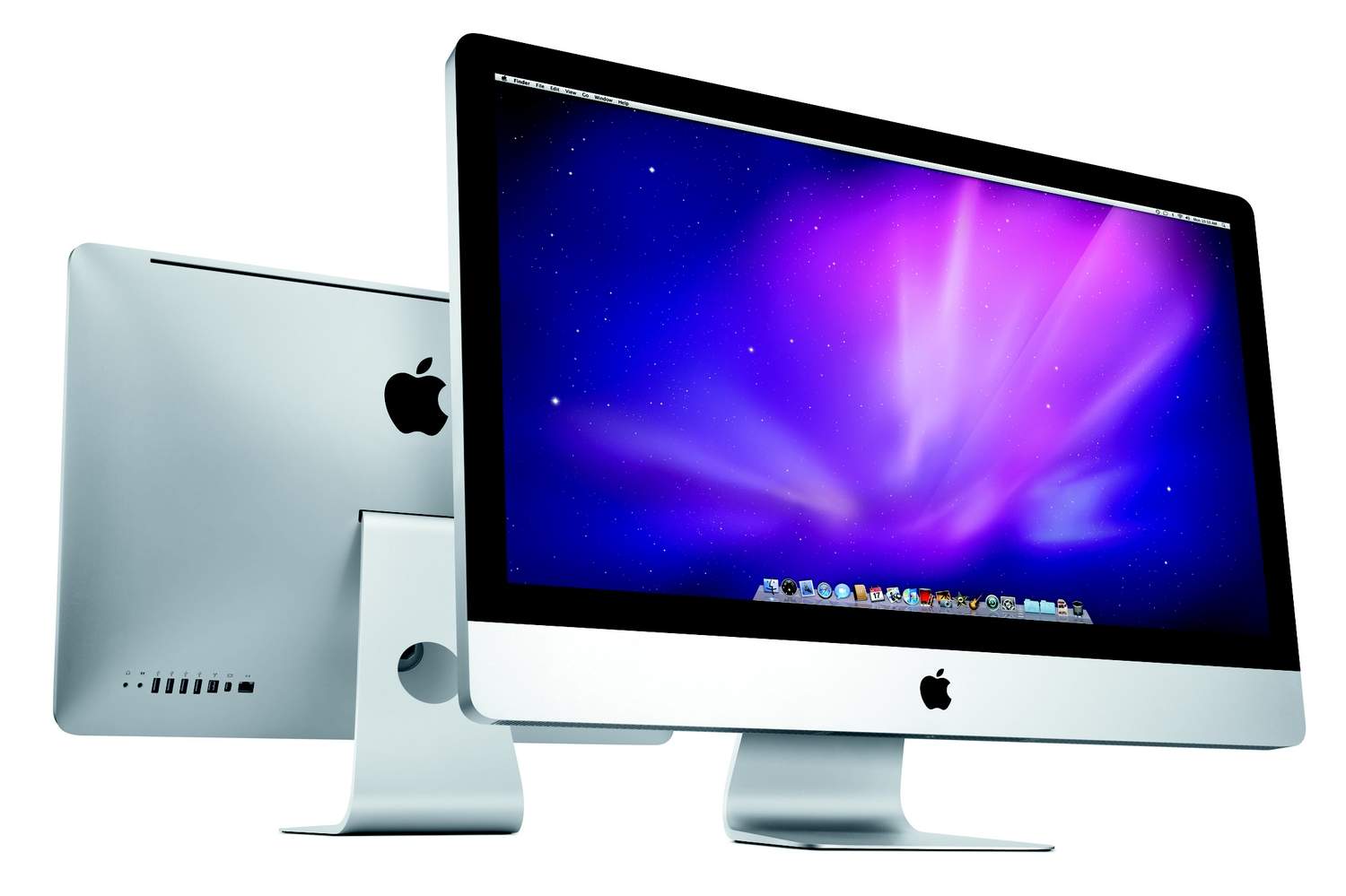
 October 20, 2009: Apple goes big with its iMac redesign, introducing the first 27-inch all-in-one Mac.
 October 16, 2003: Six months after opening the iTunes Music Store for Mac owners, Apple expands the service to cover Windows PCs as well.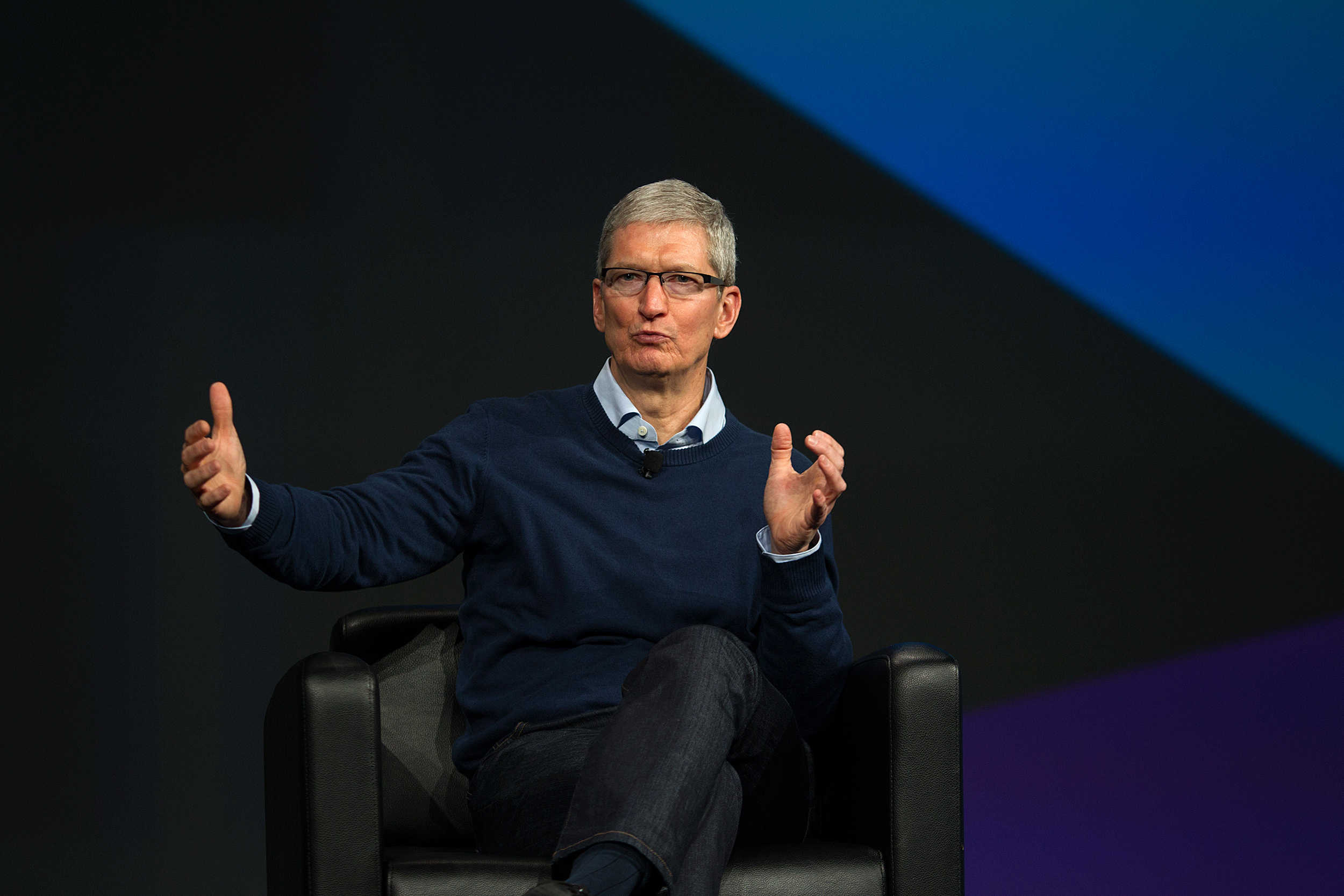
 October 14, 2005: Tim Cook takes the reins as Apple’s chief operating officer, continuing an upward climb through the company’s ranks that will make him CEO less than six years later.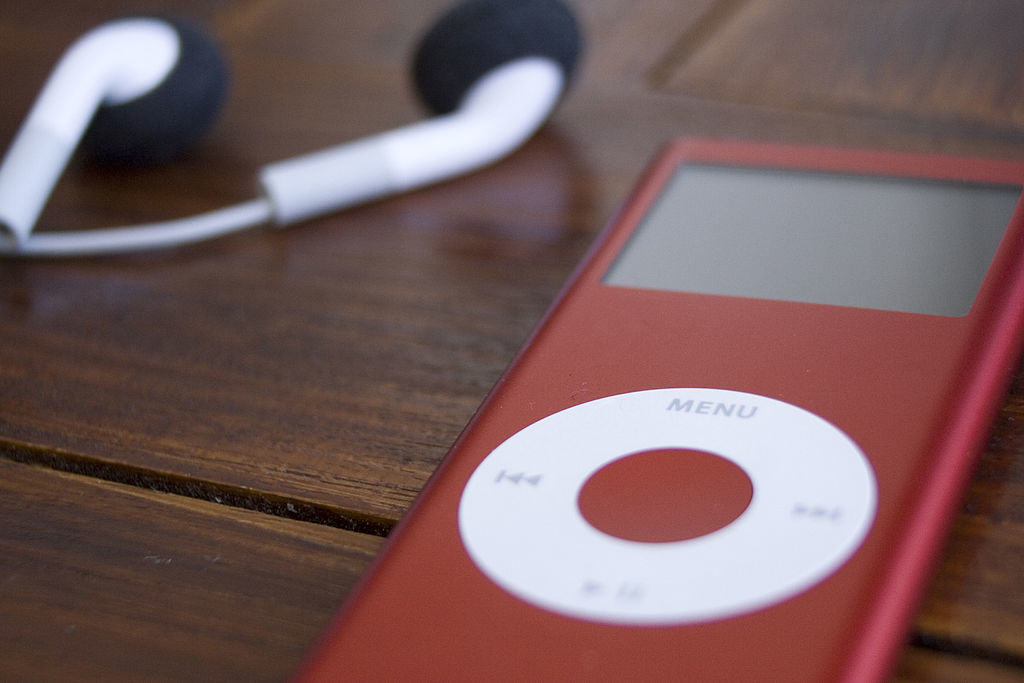
 October 13, 2006: Apple launches its limited-edition iPod nano (Product) Red Special Edition music player, with 10% of profits going to fight AIDS in Africa.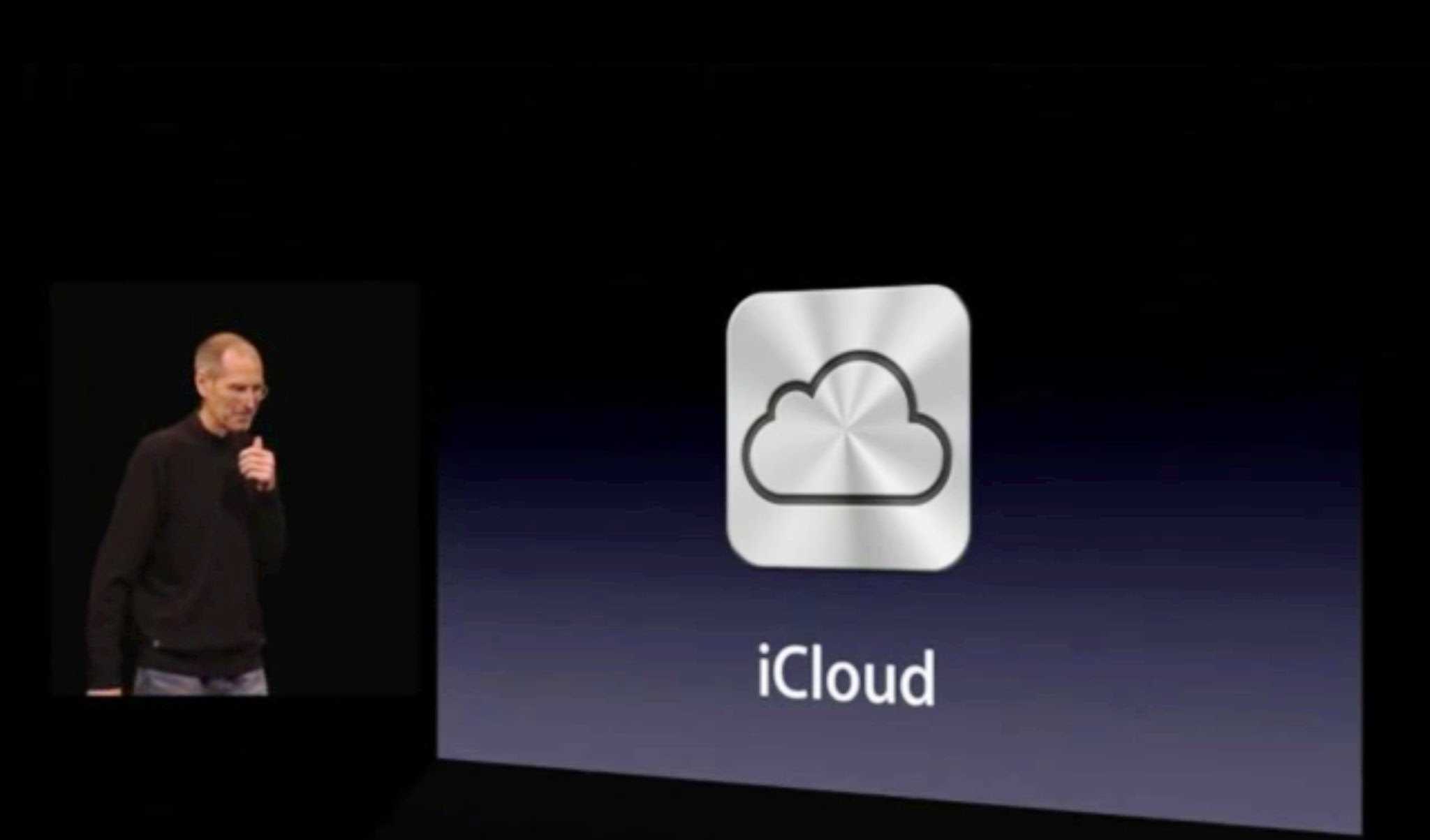
 October 12, 2011: Apple launches iCloud, a service that lets users automatically and wirelessly store content and push it to their various devices.
 October 11, 1995: Steve Jobs files the paperwork to float Pixar Animation Studios on the stock market.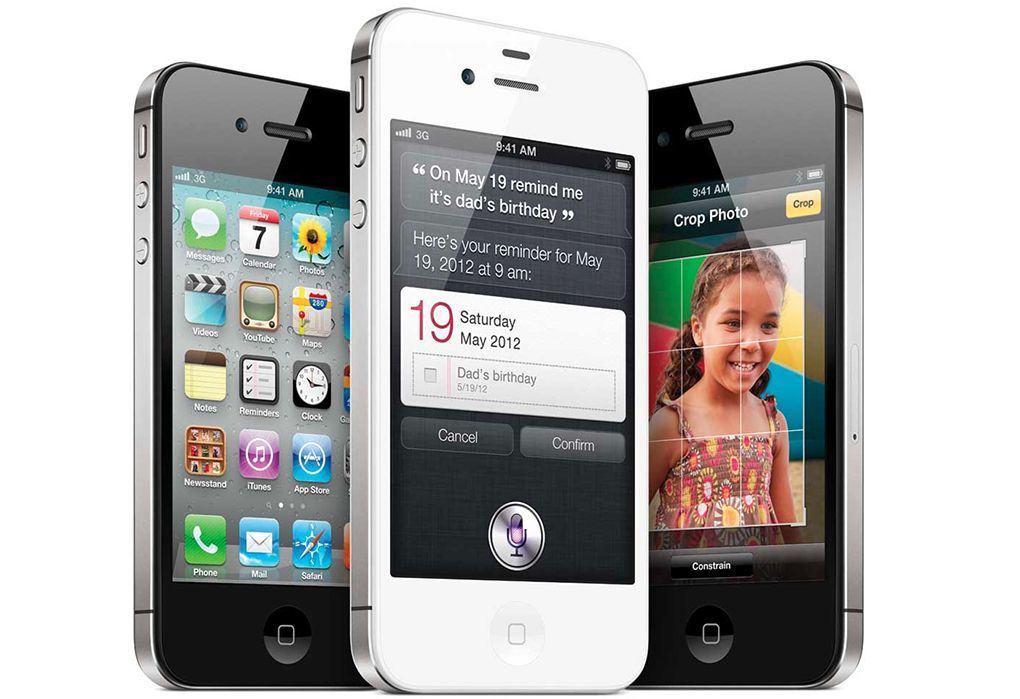
 October 7, 2011: Two days after the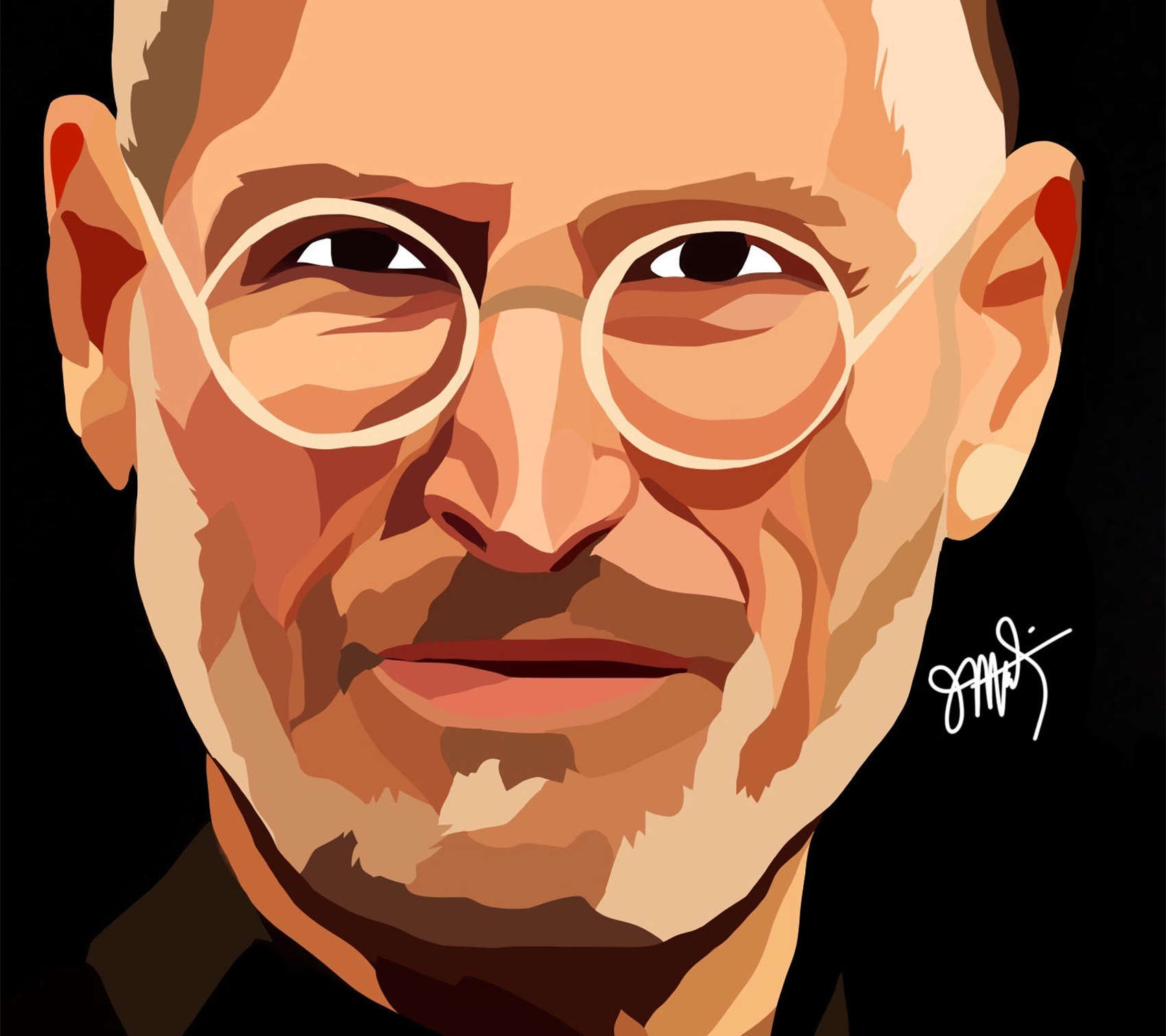
 October 5, 2011: Apple co-founder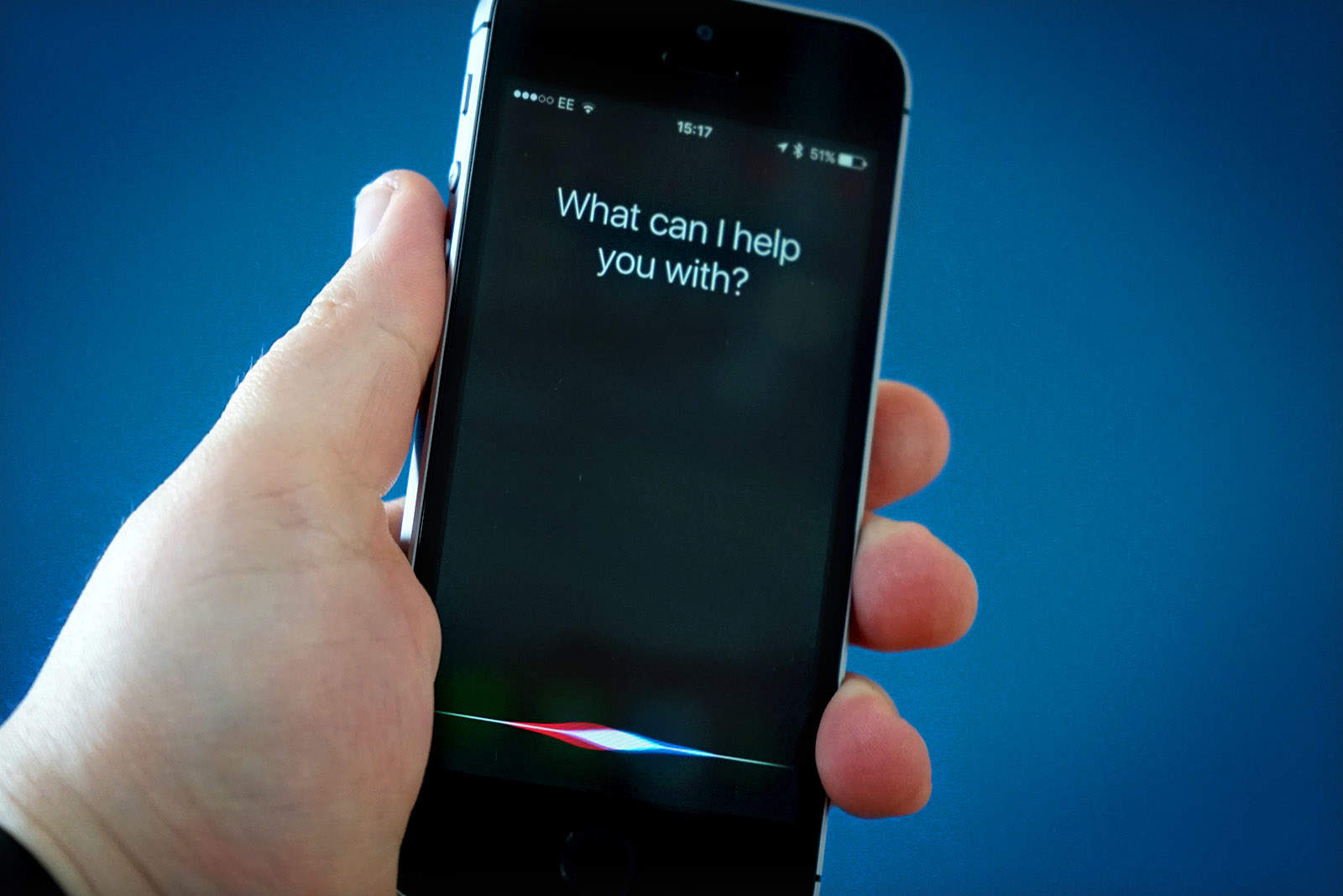
 October 4, 2011: With the unveiling of the iPhone 4s, Apple introduces the world to Siri.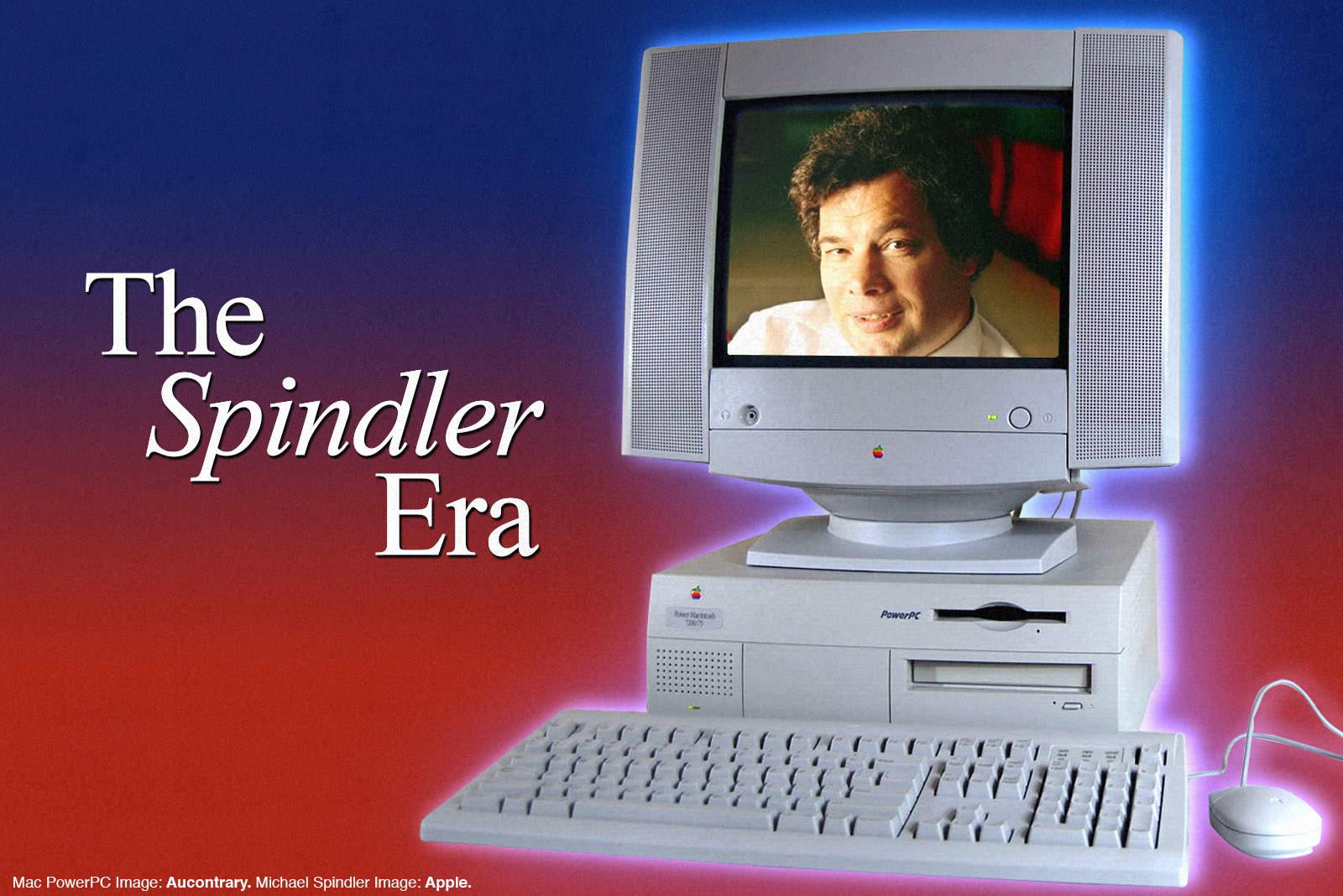
 October 3, 1994: Apple CEO Michael Spindler reassures the world that Apple “is not a lame-duck company.”
 October 1, 2011: Just days before Apple plans to unveil the iPhone 4s, the device’s name leaks after the latest iTunes beta inadvertently spills the beans on the new name.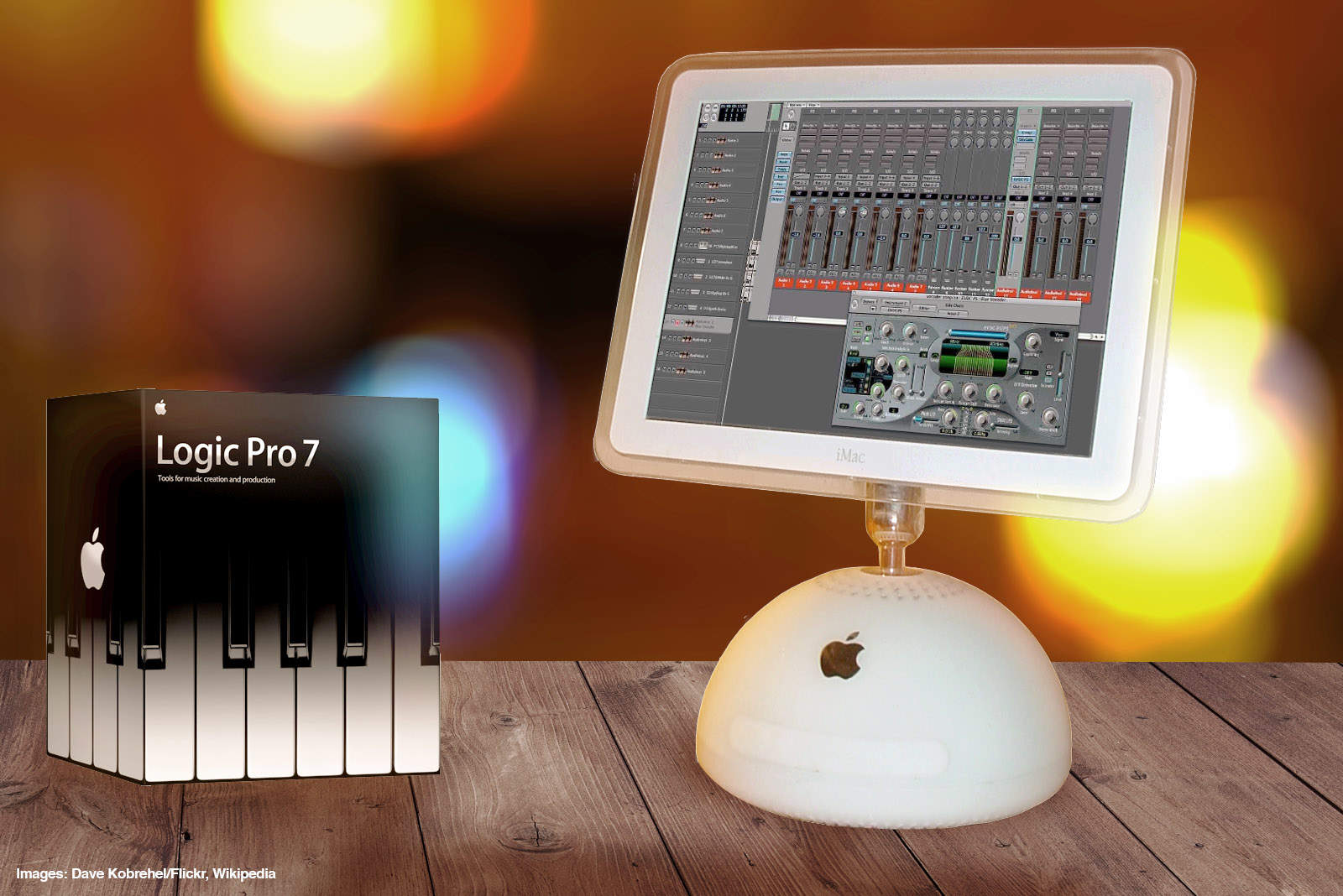
 September 29, 2004: Apple debuts Logic Pro 7, its professional music creation and audio production software. The update brings new tools and a streamlined interface in line with other Apple software.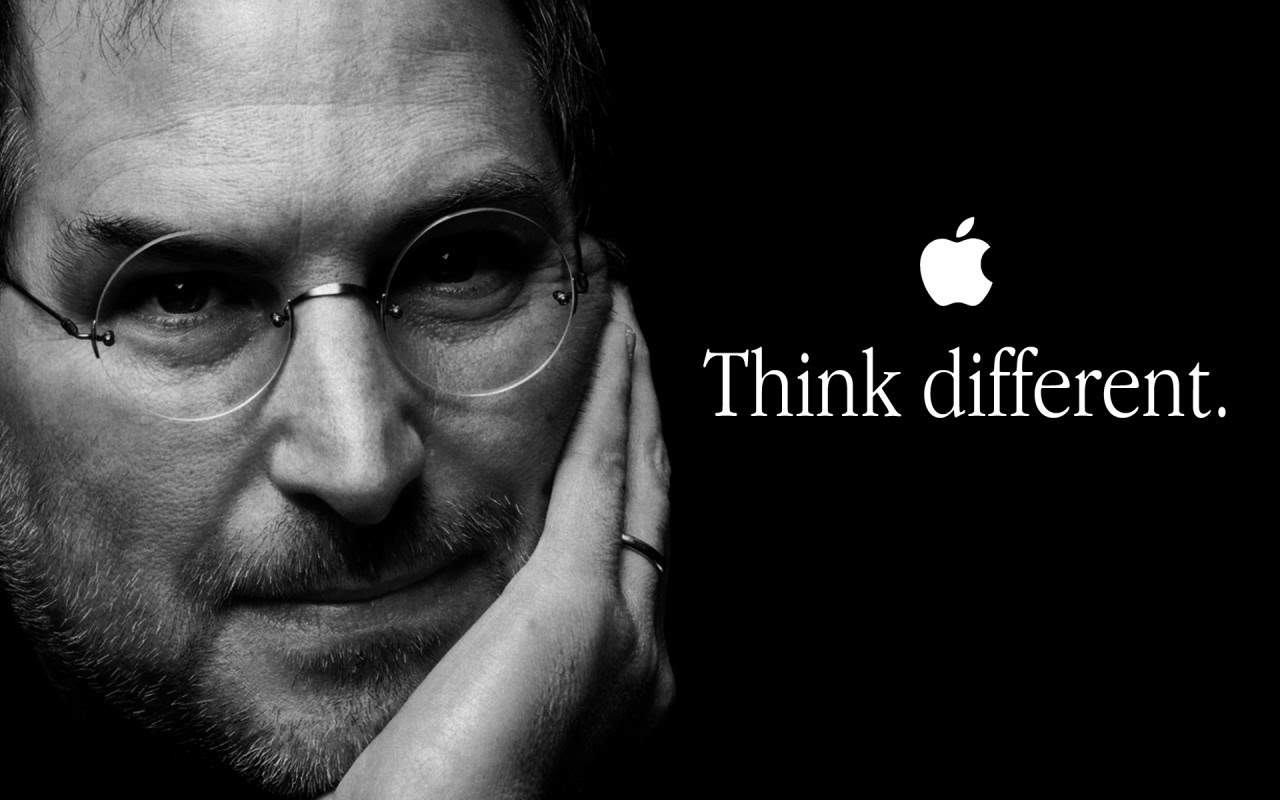
 September 28, 1997: Apple debuts its iconic “Think Different” ad campaign. The television commercial aligns the troubled computer company with some of history’s most celebrated freethinking rebels.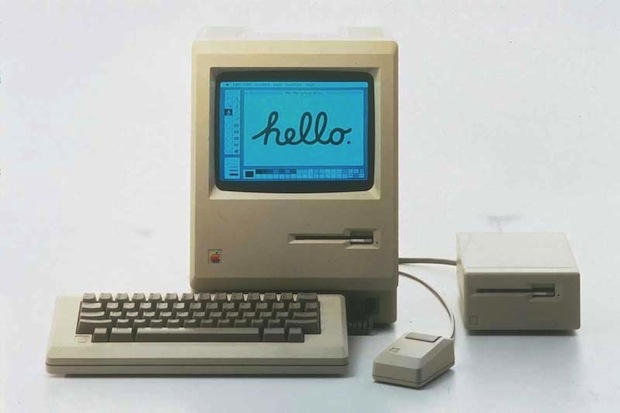
 September 27, 1979: Years before the Macintosh will ship, Steve Jobs and Jef Raskin clash for the first time over the direction of the R&D project to produce Apple’s revolutionary computer. Raskin, the founder of the Macintosh project, wants to produce a machine that’s affordable for everyone. Apple co-founder Jobs wants a computer that’s going to be the best, regardless of price.