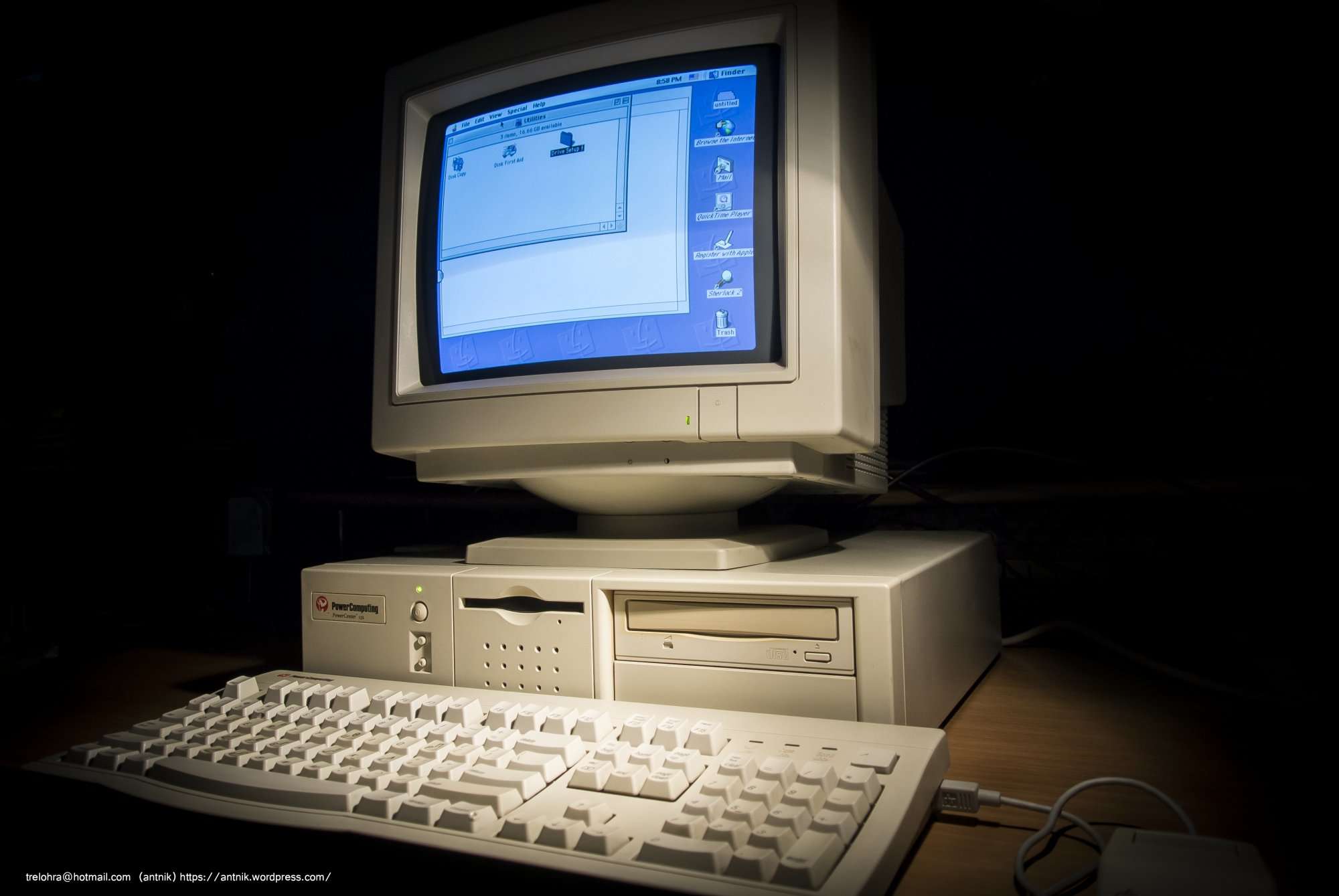
 June 4, 1997: Mac clone-maker Power Computing hits its high point as the company’s top exec reaches an agreement with Apple concerning the forthcoming Mac OS 8.
The deal allows the company to start making moves toward an IPO as the fastest-growing PC company of the decade. Things don’t turn out well, though.
 April 21, 1995: Rumors swirl that Japanese camera company Canon might take over Apple in either a partial or complete acquisition.
 March 8, 1997: Apple renames the forthcoming Mac OS 7.7 update, calling it “Mac OS 8.” It’s more than just a name change, though: It’s a sneaky sucker punch that ultimately knocks out Mac clones.
 February 21, 2007: Apple comes to an agreement with Cisco over the iPhone trademark, which Cisco legally owns but Apple wants to use.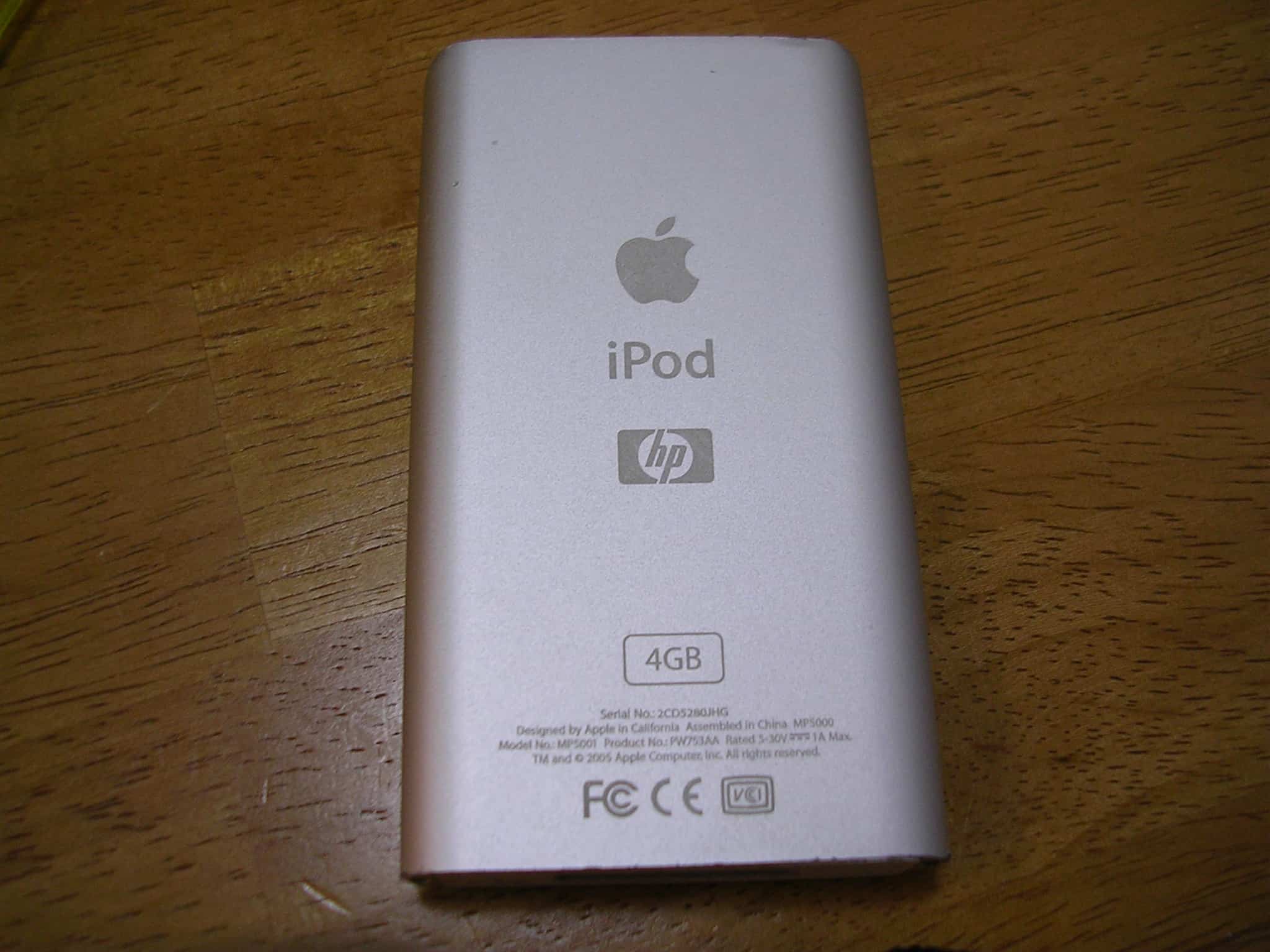
 January 8, 2004: The clumsily named iPod+HP, a Hewlett-Packard-branded iPod, debuts at the Consumer Electronics Show in Las Vegas.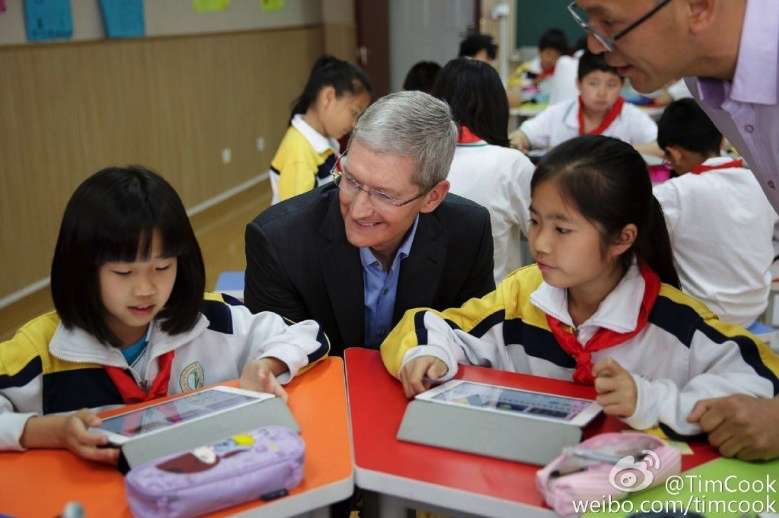
 December 22, 2013: After months of false starts, Apple finally secures a deal with China Mobile to bring the iPhone to the world’s largest telecom company.
 December 16, 1994: Apple Computer inks a licensing deal with Power Computing, allowing the company to produce Macintosh-compatible computers, aka “Mac clones.”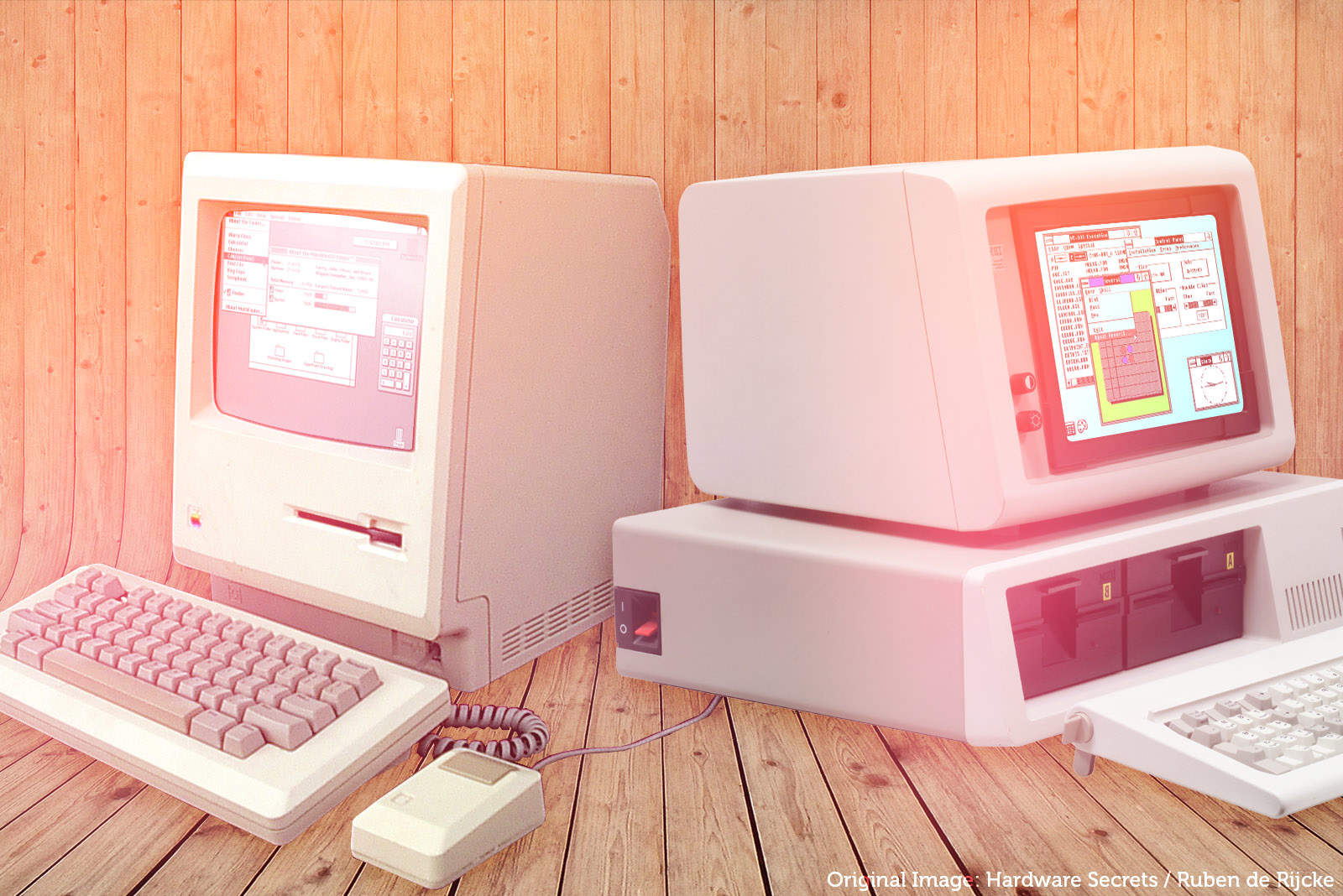
 November 21, 1985: Following
 November 4, 1997: Apple unveils its plan to open small “store within a store” sections inside CompUSA outlets around the United States.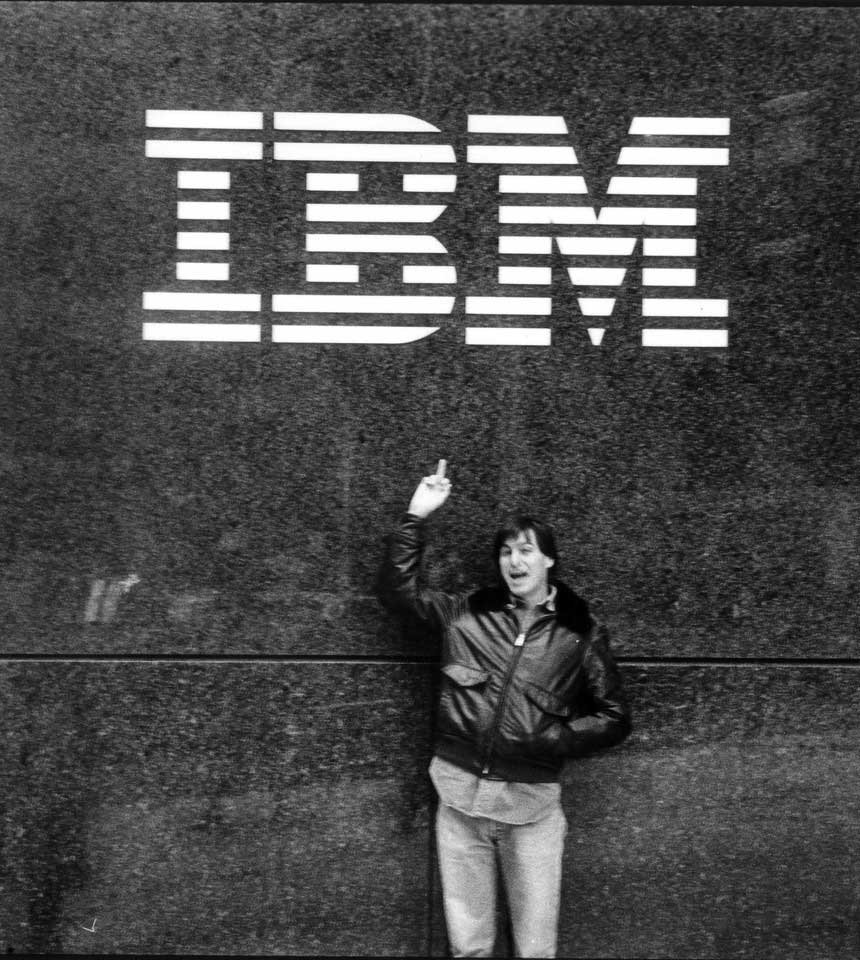
 October 2, 1991: As the Cold War comes to an end, hell freezes over a second time as Apple and IBM agree to put aside their differences. Having been bitter rivals for the past decade, the two tech giants host a press conference at the Fairmont hotel in San Francisco to unveil their new partnership.

 August 6, 1997: In one of the most famous moments in Apple history, Steve Jobs reveals a $150 million Microsoft investment that saved his company from ruin.
 July 13, 2006: Apple releases its first activity tracker, the Nike+iPod Sport Kit, which combines Cupertino’s popular music player with a smart pedometer.





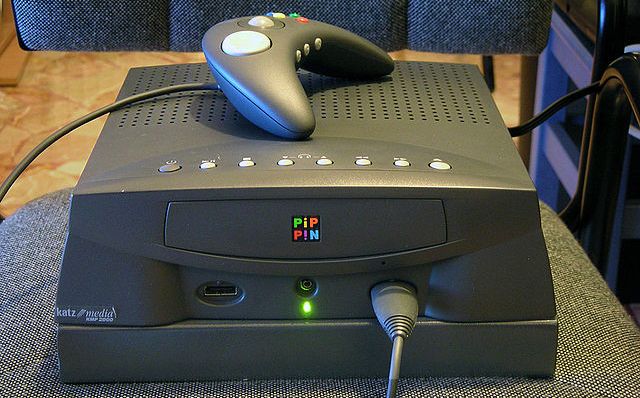
 December 13, 1994: Apple strikes a deal with Bandai, Japan’s largest toymaker, to license Mac technology for the creation of a new videogame console called the Pippin.