The PowerBook 2400c was Apple's ultra-thin laptop of the late '90s. Photo: Apple
May 8, 1997: Apple launches the PowerBook 2400c laptop, a 4.4-pound “subnotebook” that’s the MacBook Air of its day.
The PowerBook 2400c predicts the rise of speedy, lightweight notebooks, while also paying tribute to Apple’s past. Its design echoes the original PowerBook 100. Even years later, it remains a cult favorite among many Mac users.
The iMac G3 looked different from any other computer. Photo: Apple
May 6, 1998: Apple CEO Steve Jobs unveils the original iMac, a brightly colored, translucent computer that will help save the company. Coming just 10 months after Jobs’ new management team takes over, the iMac G3 loudly announces that the days of Apple quietly fading into the background are over.
The colorful computer marks the start of a very successful run for Cupertino.
No, you weren't holding your iPhone wrong. Photo: Apple
March 29, 2012: Apple settles its “Antennagate” controversy by giving affected iPhone 4 owners the chance to claim a whopping $15 payout. The settlement covers customers who experienced problems with the phone dropping calls due to its cutting-edge design, but were unable to return their handsets (or didn’t want a free bumper from Apple to mitigate against the problem).
While it’s arguable whether a $15 payout was worth filing all the paperwork necessary to claim the cash, the Antennagate story — and the resulting class-action lawsuit — generated big headlines at the time.
The Twentieth Anniversary Mac offered a glimpse of the future. Photo: Apple
March 20, 1997: Apple launches its Twentieth Anniversary Macintosh, a futuristic, special-edition Mac that’s ahead of its time in every way. Not part of any established Mac line, it brings a look (and a price!) unlike anything else available — and Apple delivers them to buyers in a limo!
And yet the Twentieth Anniversary Macintosh promptly bombs. Today, it’s a collector’s piece.
The IIfx was the fastest Mac of its day. Photo: Old Computr
March 19, 1990: The ultra-fast Macintosh IIfx makes its debut, sporting a hefty price tag appropriate for such a speedy machine.
The fastest Macintosh of its day, it boasts a CPU running at a “wicked fast” 40 MHz. It gains an additional speed bump from a pair of Apple-designed, application-specific integrated circuits. Prices start at $9,870 and run up to $12,000 — the equivalent of $23,989 to $29,166 in 2024 money!
These were two of the wackier Macs ever. Photo: Apple
February 22, 2001: The iMac Special Edition, sporting wild designs that would make a hippie happy, puts a wacky face on the computer that saved Apple’s bacon at the turn of the century. The Flower Power iMac and Blue Dalmatian iMac evoke tie-dye shirts or other unconventional ’60s-era imagery.
A far cry from the super-serious, aluminum-heavy industrial design that will come to define Apple in coming years, these colorfully patterned iMacs stand out as some of the most irreverent computers Cupertino ever dreamed up. (C’mon, when was a real Dalmatian blue?)
Under the consciously tacky exteriors, a pretty darn great iMac G3 hums along.
The iPod mini quickly became a big hit for Apple. Photo: Apple
February 20, 2004: Music goes small as the iPod mini launch brings the reimagined digital audio player to Apple stores.
Released with 4GB of storage and in five colors, the diminutive device features a new “click wheel” that integrates control buttons into a solid-state, touch-sensitive scroll wheel. It also showcases Cupertino’s growing fascination with aluminum, which will become a hallmark of Apple design.
Despite its small size, the new music player’s market potential looms large. In fact, the iPod mini soon becomes Apple’s fastest-selling music player yet.
January 27, 2010: After months of rumors and speculation, Steve Jobs publicly shows off the iPad for the first time. Aside from the name, which some people joke sounds like a female sanitary product, the first-generation iPad immediately earns critical acclaim.
“The last time there was this much excitement over a tablet, it had some commandments written on it,” The Wall Street Journal quips.
When it goes on sale a few months later, the first-gen iPad quickly becomes Apple’s fastest-selling new product ever.
The Mac Plus boasts an expandable 1MB of RAM and a double-sided 800KB floppy drive. And it’s the first Macintosh to include a SCSI port, which serves as the main way of attaching a Mac to other devices (at least until Apple abandons the tech on the original iMac G3 upon Jobs’ return).
A plain manila envelope became a key prop for selling the MacBook Air. Photo: Apple
January 15, 2008: Steve Jobs shows off the first MacBook Air at the Macworld conference in San Francisco, calling the revolutionary computer the “world’s thinnest notebook.”
The 13.3-inch laptop measures only 0.76 inches at its thickest point and 0.16 inches at its tapered thinnest. It also boasts a unibody aluminum design, thanks to an Apple engineering breakthrough that allows the crafting of a complicated computer case from a single block of finely machined metal.
In a brilliant piece of showmanship during the MacBook Air launch, Jobs pulls the super-slim laptop out of a standard interoffice envelope. (You can watch his keynote introducing the MacBook Air below).
The Power Mac G3 brought a new look, and powerful new features, to Apple's pro computer line. Image: Ste Smith/Cult of Mac/Apple
January 5, 1999: Apple introduces its revised Power Mac G3 minitower, nicknamed the “Blue and White G3” or “Smurf Tower” to separate it from the earlier beige model.
The first new Power Mac since the colorful plastic iMac G3 shipped, the pro-level machine borrows the same transparent color scheme. Unfortunately, it doesn’t hang around too long.
"Slide to unlock" drew audible gasps from the audience when Steve Jobs first showed it off. Photo: Jared Earle/Flickr CC
December 23, 2005: Apple files a patent application for its iconic “slide to unlock” gesture for the iPhone.
At this point, the iPhone remains a secret research project. However, the ability to unlock the device by sliding your finger across it signifies Apple’s big ambitions for its smartphone. Cupertino wants the iPhone it’s racing to develop to be easy to use, intuitive and miles ahead of the competition technologically.
Apple's spectacular new campus gained city approval on this day in 2013. Photo: Matthew Roberts
November 19, 2013: Apple gets final approval from the Cupertino City Council to proceed with building a massive second campus to house the iPhone-maker’s growing army of workers in California. Regarding the new Apple headquarters, Cupertino Mayor Orrin Mahoney issues a simple message: “Go for it.”
However, the massive structure — with an innovative circular design that will earn it the nickname “the spaceship” — remains years away from opening, despite Apple’s ambitious schedule.
Apple's 20-inch iMac G4 in all its glory. Photo: Wikipedia CC
November 18, 2003: Apple debuts its 20-inch iMac G4, the company’s biggest flat-panel all-in-one computer ever.
The introduction makes an already superb Mac even better. Somehow, though, the additional screen real estate makes the new Mac weigh twice as much as the 17-inch model.
November 15, 1990: Cupertino wins a design patent for the Apple Extended Keyboard II, arguably the greatest computer keyboard of all time.
Delivering the perfect combination of durability, feel and a pleasing click-clack sound, the Extended Keyboard II will become a mainstay of pro-grade Apple setups during the early 1990s — and perhaps the best-loved keyboard in Apple history. Courtesy of an ADB-to-USB adapter, some people continue to use these input devices today.
As usual, De Rosa makes a slick, realistic presentation. But he made some changes this time. Photo: ADR Studio
Concept designer Antonio De Rosa issued a slick new set of designs Thursday for what he’s calling “17 Pro Max: Thinnovation,” despite Apple’s legal department getting in his face a while back over some of his concepts looking “too real.” For the new one, he left out the word “iPhone” and used AI to help avoid copyright infringement, he said. And his passion for the work — and for Apple — outweighed his fear of retribution.
“Call me a fanboy, but I love these products and even the illusion to ‘work’ for any of those,” De Rosa told Cult of Mac. “It makes me feel happy. Maybe I can save them some headaches looking at my works; they could say ‘Naaa, this is ugly, let’s pass on [it].’ Who knows, maybe I’m helping to have less ugly phones.”
The weird placement of the M4 Mac mini's power button is fueling "Buttongate." Image: Cult of Mac
Right after Apple unveiled the redesigned M4 Mac mini on Tuesday, people noticed the power button’s odd placement — on the bottom of the tiny but potent machine! The design provides precious little room for a fleshy finger to reach without tipping the whole computer to get at it. Since then, a variety of “fixes” have poked fun at this perceived error, which is most likely a very intentional Apple design choice.
Check out some of the best “Buttongate” fixes below.
Charging the Magic Mouse 2 remains a headache. Photo: Apple
When it comes to new tech, the focus understandably falls on what’s changed, not what stayed the same.
That’s absolutely the case for the new M4 iMac, which Apple unveiled on Monday. Plenty of attention is (rightly) being lavished on the iMac’s guts. The M4 chip is a screamer, and the machine now comes with 16GB of unified memory as standard, a welcome change. And the new colors look great.
However, one thing that drives Apple customers bonkers has stayed the same. That one thing is Apple’s terrible mouse — or, more specifically, the ridiculous location of the charging port on the Magic Mouse.
September 25, 2006: Apple ships its second-generation iPod nano, offering a fancy redesign of the pocket-size original.
“iPod nano is the world’s most popular digital music player, and we’ve completely redesigned it to make it even better,” said Apple CEO Steve Jobs in a press release. “The all-new iPod nano gives music fans more of what they love in their iPods.”
Among the new iPod nano’s improvements are a slimmer, anodized aluminum casing; a brighter screen; longer battery life, and a wide range of colors. And, oh yes, it also includes gapless music playback for the first time!
The iPhone 6 and 6 Plus were massive upgrades for Apple. Photo: Jim Merithew
September 19, 2014: The iPhone undergoes its biggest upgrade — both figuratively and literally — since the original, with the launch of the iPhone 6 and iPhone 6 Plus handsets. The iPhone 6 design brings a new 4.7-inch form factor, while the iPhone 6 Plus expands to a massive 5.5 inches.
The previous-generation iPhone 5 measured only slightly taller than its 3.5-inch predecessors. But with the iPhone 6, Apple abandons the small smartphone form factor to take on big-screen Android “phablets.”
Here's how iOS 7 (right) compared to iOS 6. Images: Apple
September 18, 2013: iOS 7 launches with a radical redesign that divides the tech world. The biggest overhaul Apple’s mobile operating system has seen in years, iOS 7 ditches the skeuomorphic objects, dials and textures of previous iterations.
Instead, it boasts stark patches of white space, simpler icons and more abstract controls for settings. The Jony Ive era of software design is truly underway.
On this day in 1999, Apple ditched its rainbow logo for something more subtle. Photo: Lyle Kahney/Cult of Mac
August 27, 1999: Apple swaps out the striped, multicolored logo the company used since 1977 for a new single-color version. The evolution of the iconic Apple logo from rainbow to monochrome shocks many longtime fans.
However, it is part of a sustained, company-wide overhaul led by Apple CEO Steve Jobs. The makeover includes new products, the “Think Different” ad campaign and, eventually, the removal of the word “Computer” from the company’s name.
On this day in 1998, the world said "hello" to the computer that would save Apple. Photo: Apple
August 15, 1998: The original iMac — Apple’s brightly colored, translucent Macintosh relaunch — goes on sale to a rabid audience. Steve Jobs’ first major new product since returning to Apple, the internet-ready iMac G3 line will cement his legacy as a forward-thinking tech visionary.
The all-in-one computer also introduces the world to the design talents of Jony Ive — and pretty much saves Apple in the process.
This was the ultimate Mac power setup in 2002. Photo: Apple
August 13, 2002: Apple unveils the final face-lift for its Power Mac G4, the so-called “Mirrored Drive Doors” model.
The distinctive-looking computer borrows visually from the previous “QuickSilver” G4, released a year earlier. However, it adds a different front panel, with a mirrorlike finish for the media drive doors. It’s the last visual redesign of Apple’s Power Mac G4.
The images Apple submitted to the FCC of its new mouse. Photo: Federal Communications Commission/Apple
July 24, 2006: The world gets its first glimpse of Apple’s new wireless Mighty Mouse, a multibutton Bluetooth device with super-accurate laser tracking.
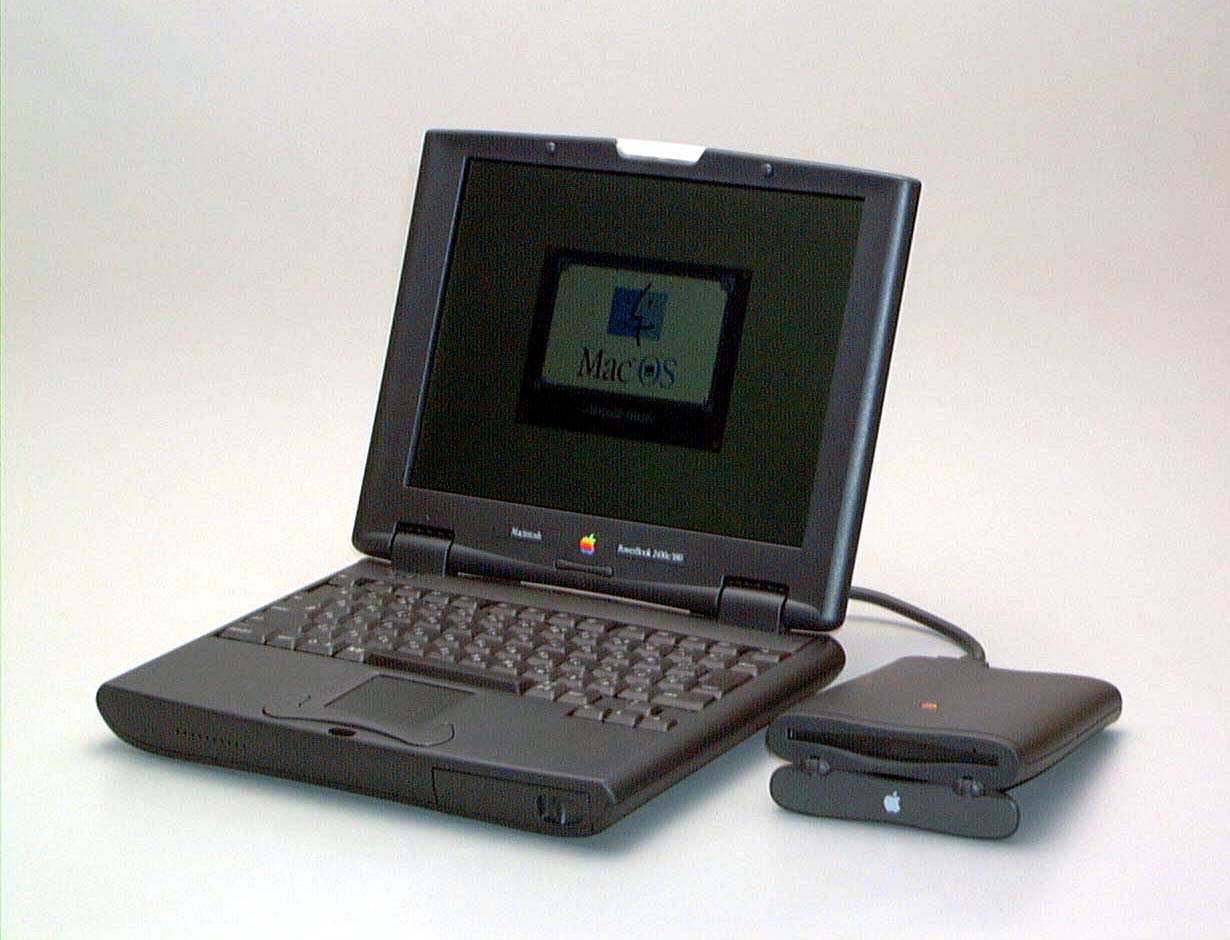
 May 8, 1997: Apple launches the PowerBook 2400c laptop, a 4.4-pound “subnotebook” that’s the MacBook Air of its day.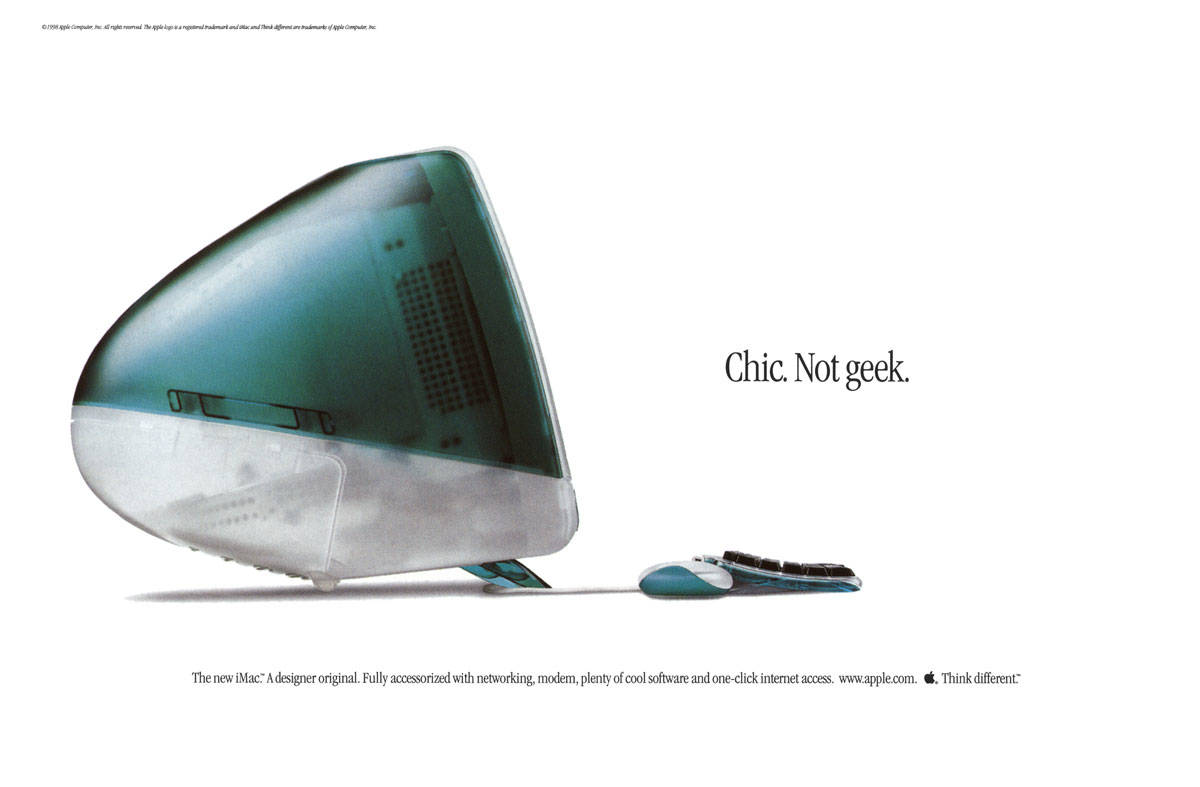
 May 6, 1998: Apple CEO Steve Jobs unveils the original iMac, a brightly colored, translucent computer that will help save the company. Coming just 10 months after Jobs’ new management team takes over, the iMac G3 loudly announces that the days of Apple quietly fading into the background are over.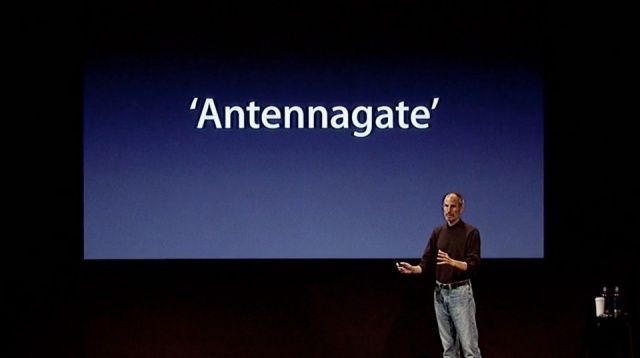
 March 29, 2012: Apple settles its “Antennagate” controversy by giving affected iPhone 4 owners the chance to claim a whopping $15 payout. The settlement covers customers who experienced problems with the phone dropping calls due to its cutting-edge design, but were unable to return their handsets (or didn’t want a free bumper from Apple to mitigate against the problem).
 March 20, 1997: Apple launches its Twentieth Anniversary Macintosh, a futuristic, special-edition Mac that’s ahead of its time in every way. Not part of any established Mac line, it brings a look (and a price!) unlike anything else available — and Apple delivers them to buyers in a limo!
 March 19, 1990: The ultra-fast Macintosh IIfx makes its debut, sporting a hefty price tag appropriate for such a speedy machine.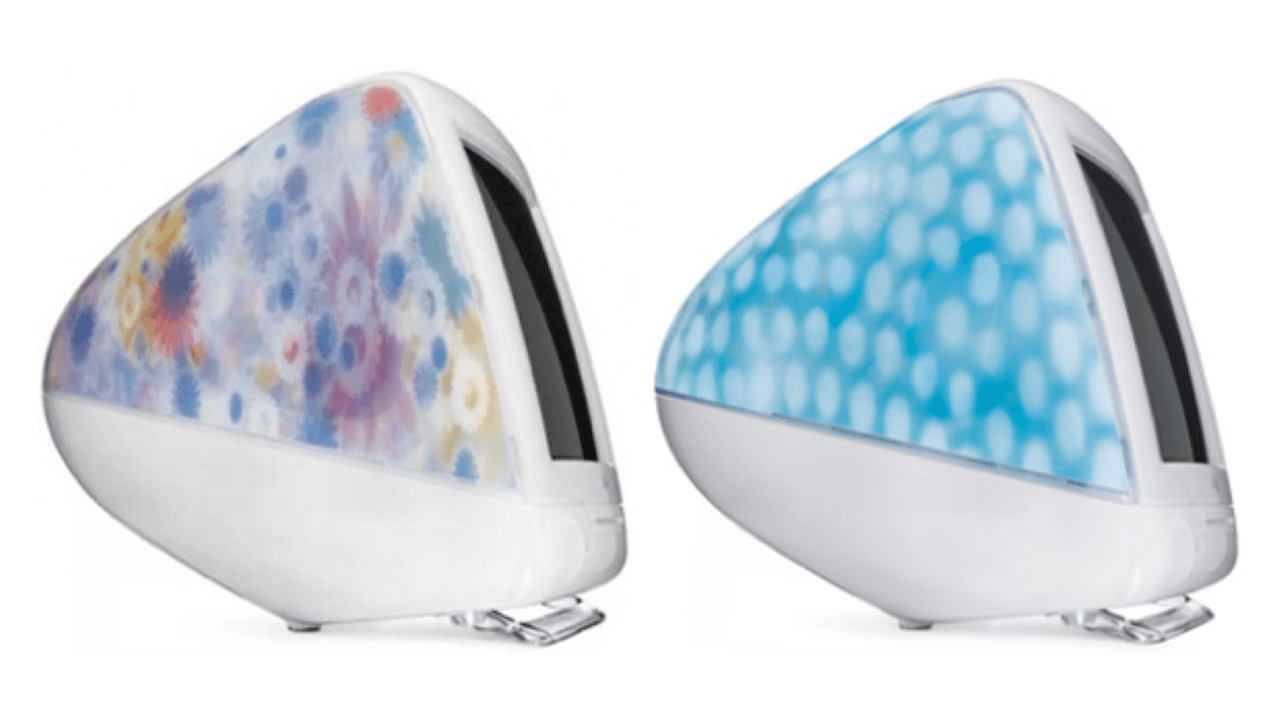
 February 22, 2001: The iMac Special Edition, sporting wild designs that would make a hippie happy, puts a wacky face on the computer that saved Apple’s bacon at the turn of the century. The Flower Power iMac and Blue Dalmatian iMac evoke tie-dye shirts or other unconventional ’60s-era imagery.
 February 20, 2004: Music goes small as the iPod mini launch brings the reimagined digital audio player to Apple stores.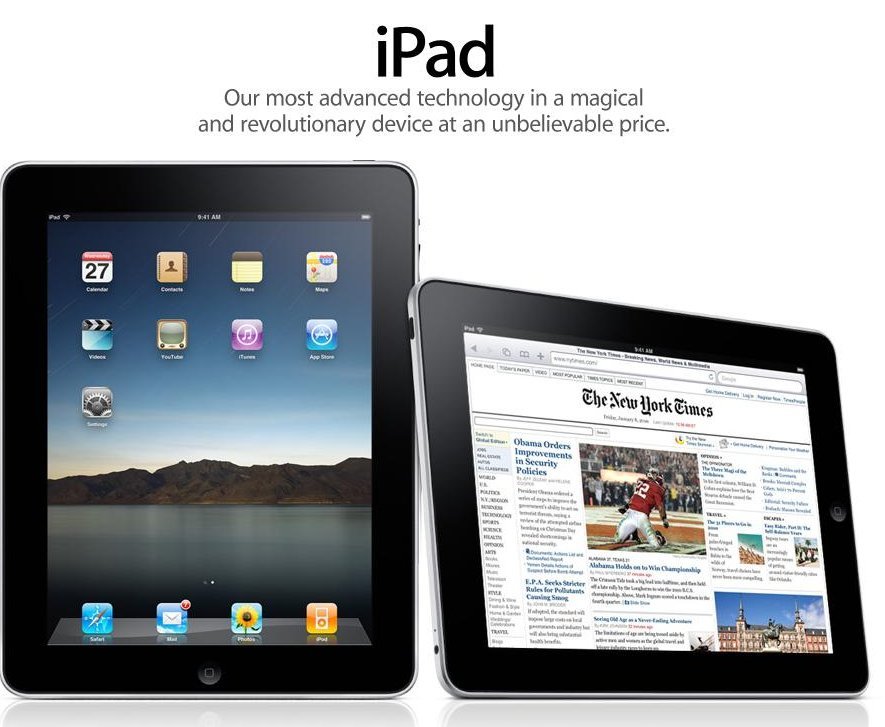
 January 27, 2010: After months of rumors and speculation, Steve Jobs publicly shows off the iPad for the first time. Aside from the name, which some people joke sounds like a female sanitary product, the first-generation iPad immediately earns critical acclaim.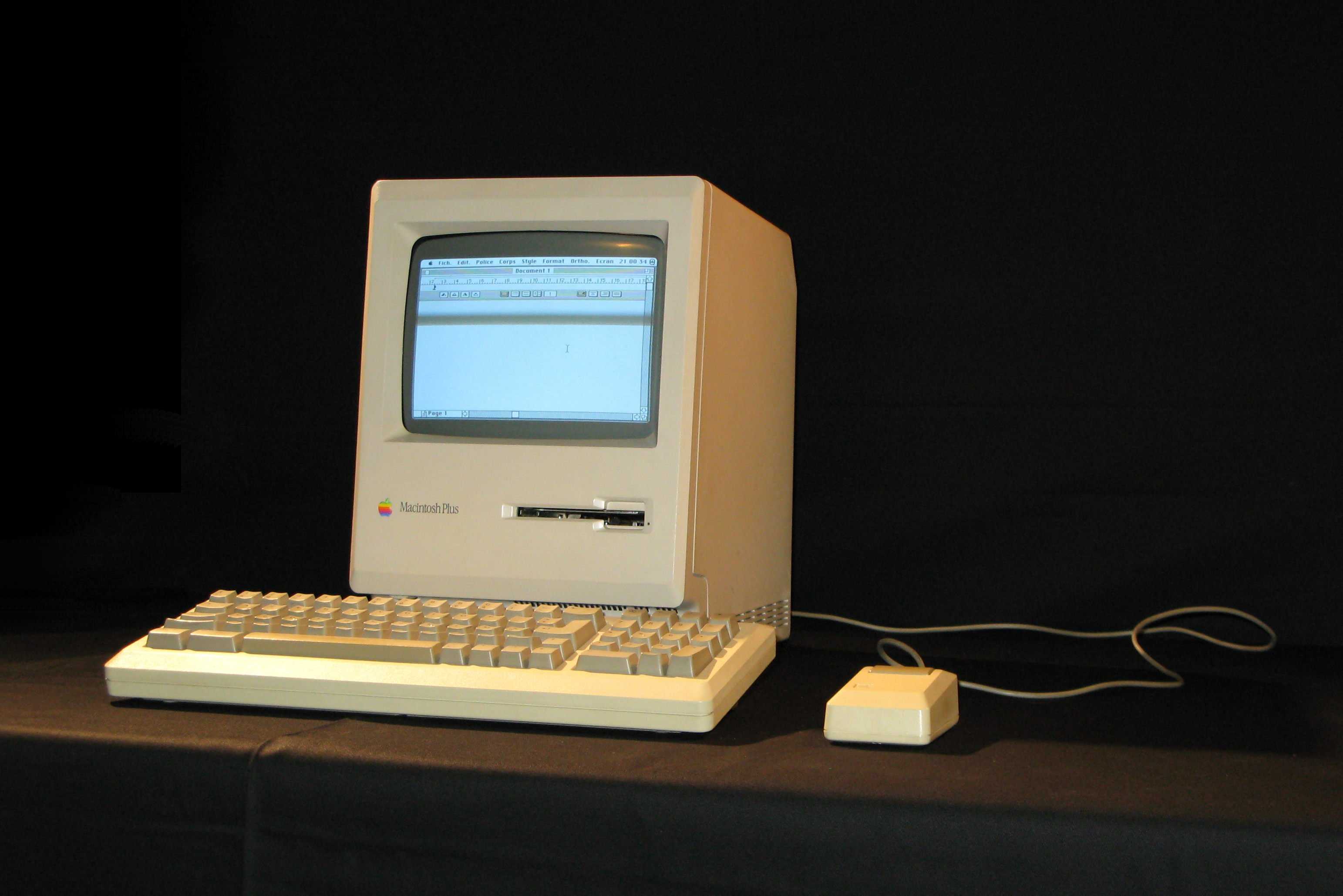
 January 16, 1986: Apple introduces the Macintosh Plus, its third Mac model and the first to be released after Steve Jobs was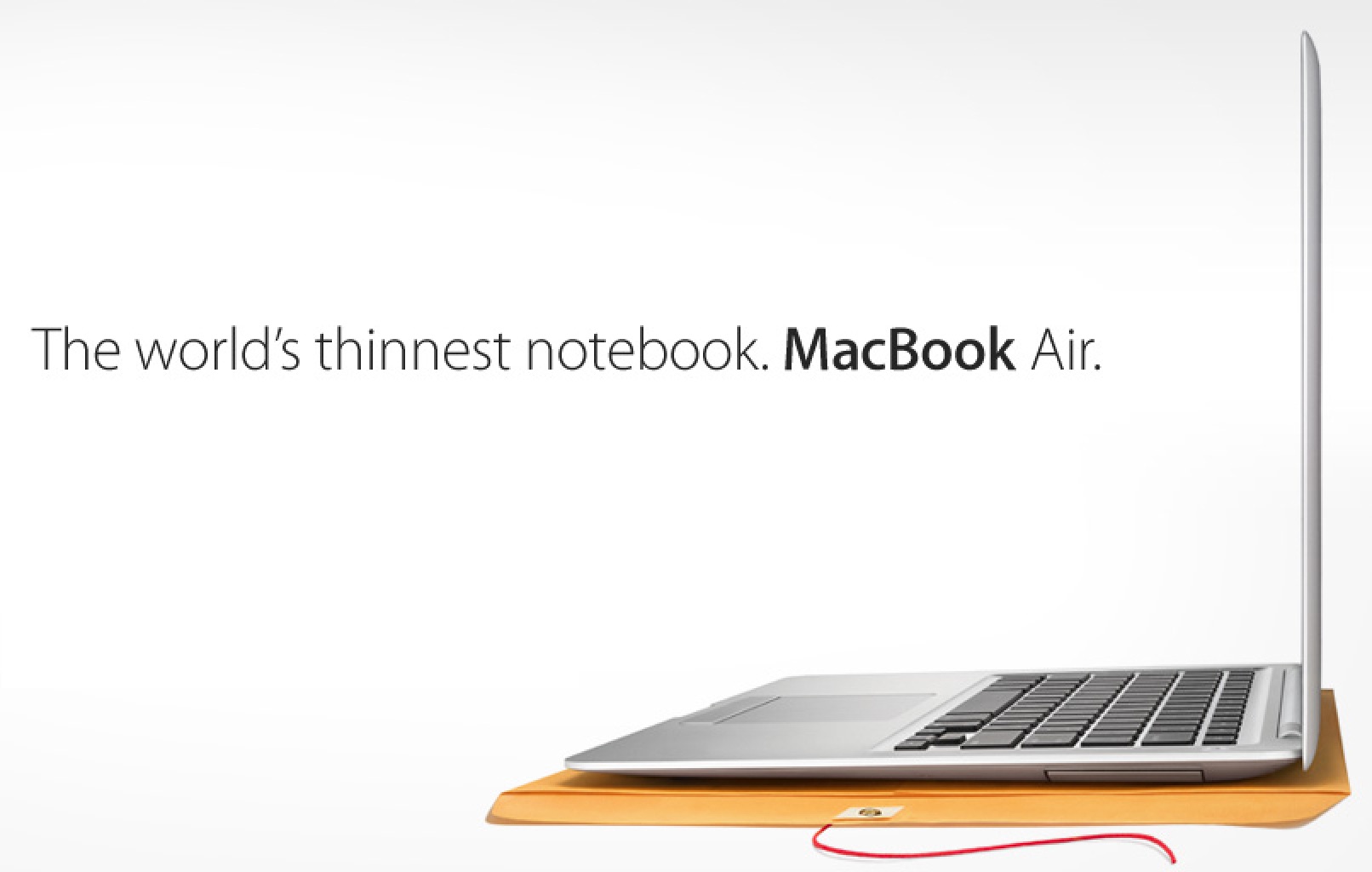
 January 15, 2008: Steve Jobs shows off the first MacBook Air at the Macworld conference in San Francisco, calling the revolutionary computer the “world’s thinnest notebook.”
 January 5, 1999: Apple introduces its revised Power Mac G3 minitower, nicknamed the “Blue and White G3” or “Smurf Tower” to separate it from the earlier beige model.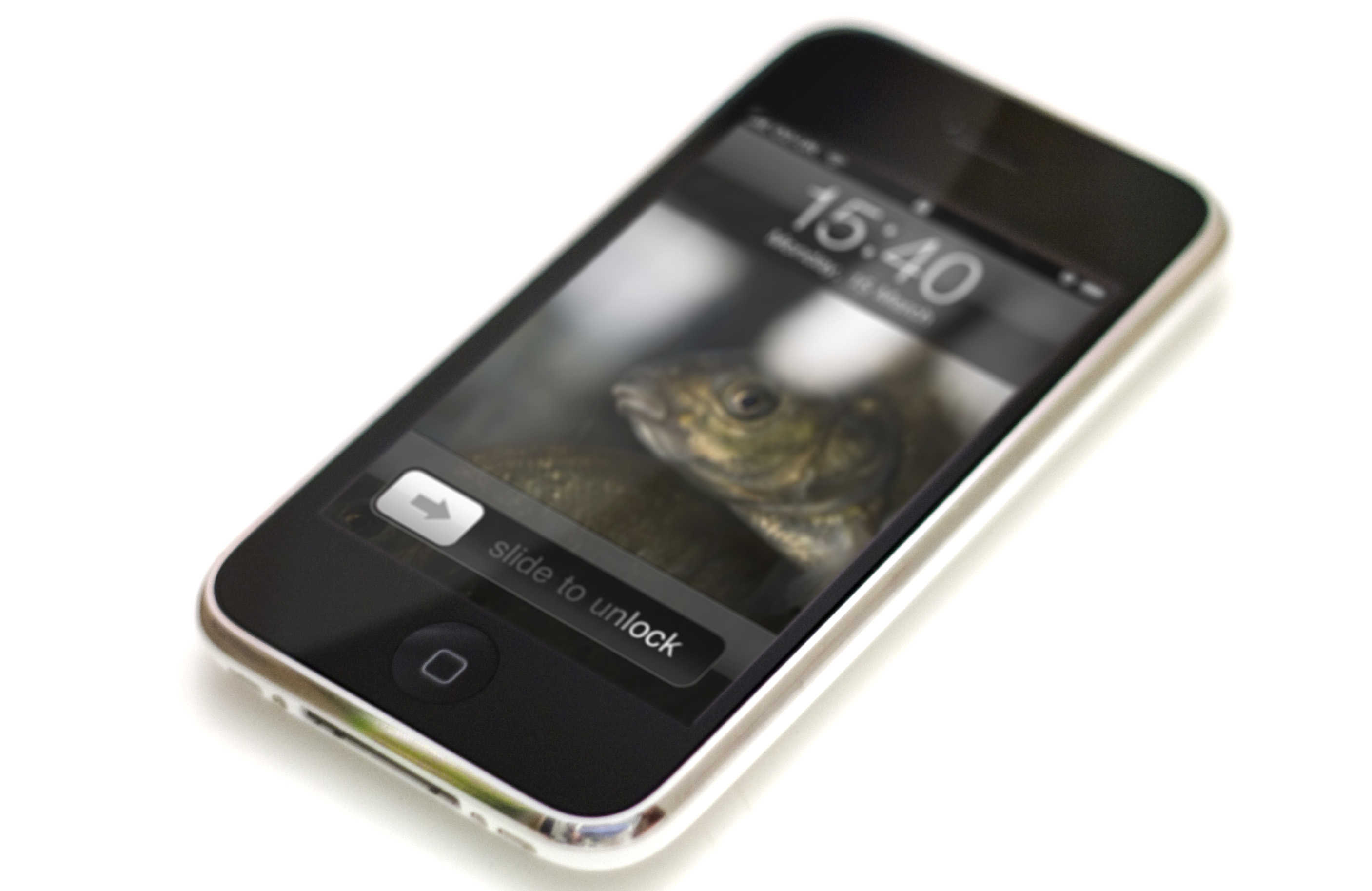
 December 23, 2005: Apple files a patent application for its iconic “slide to unlock” gesture for the iPhone.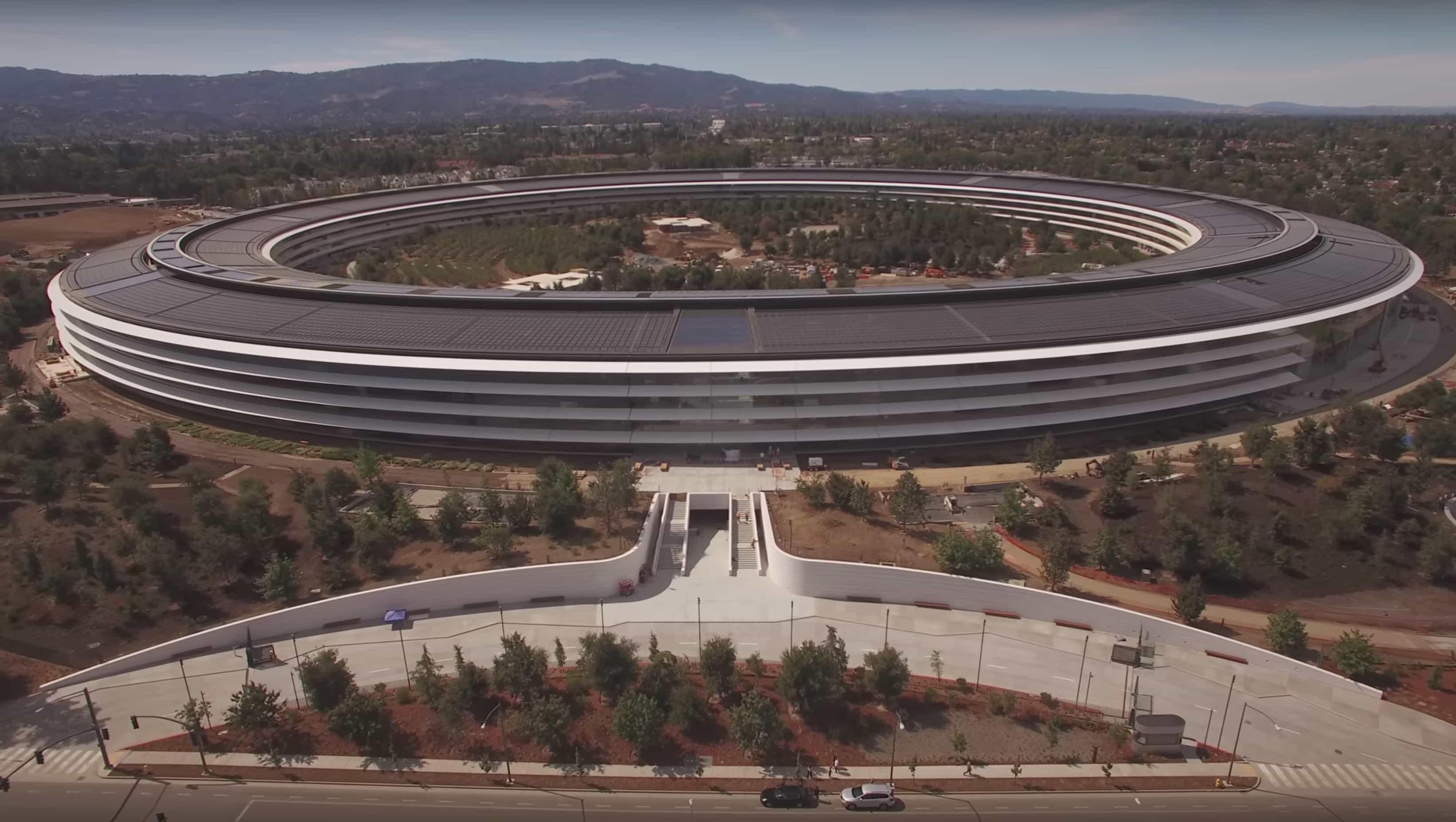
 November 19, 2013: Apple gets final approval from the Cupertino City Council to proceed with building a massive second campus to house the iPhone-maker’s growing army of workers in California. Regarding the new Apple headquarters, Cupertino Mayor Orrin Mahoney issues a simple message: “Go for it.”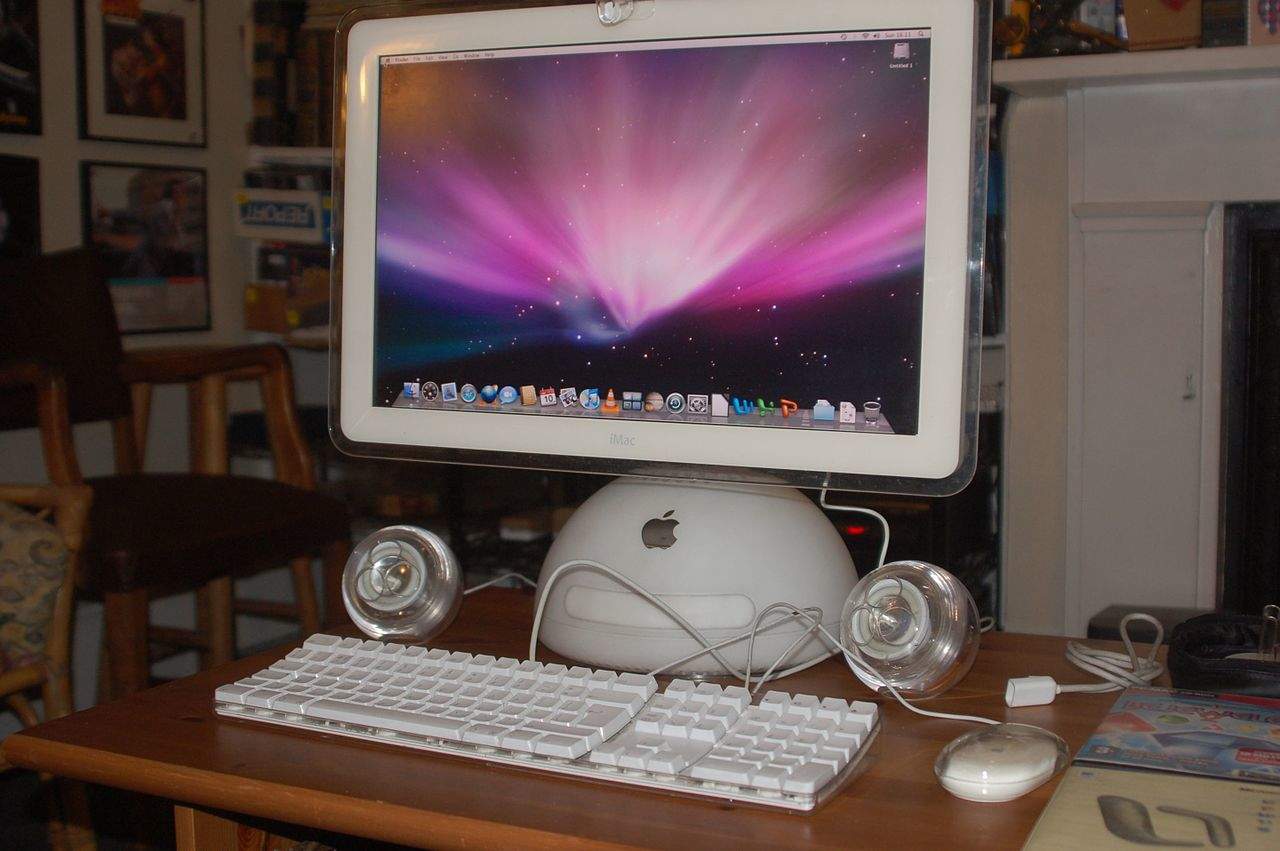
 November 18, 2003: Apple debuts its 20-inch iMac G4, the company’s biggest flat-panel all-in-one computer ever.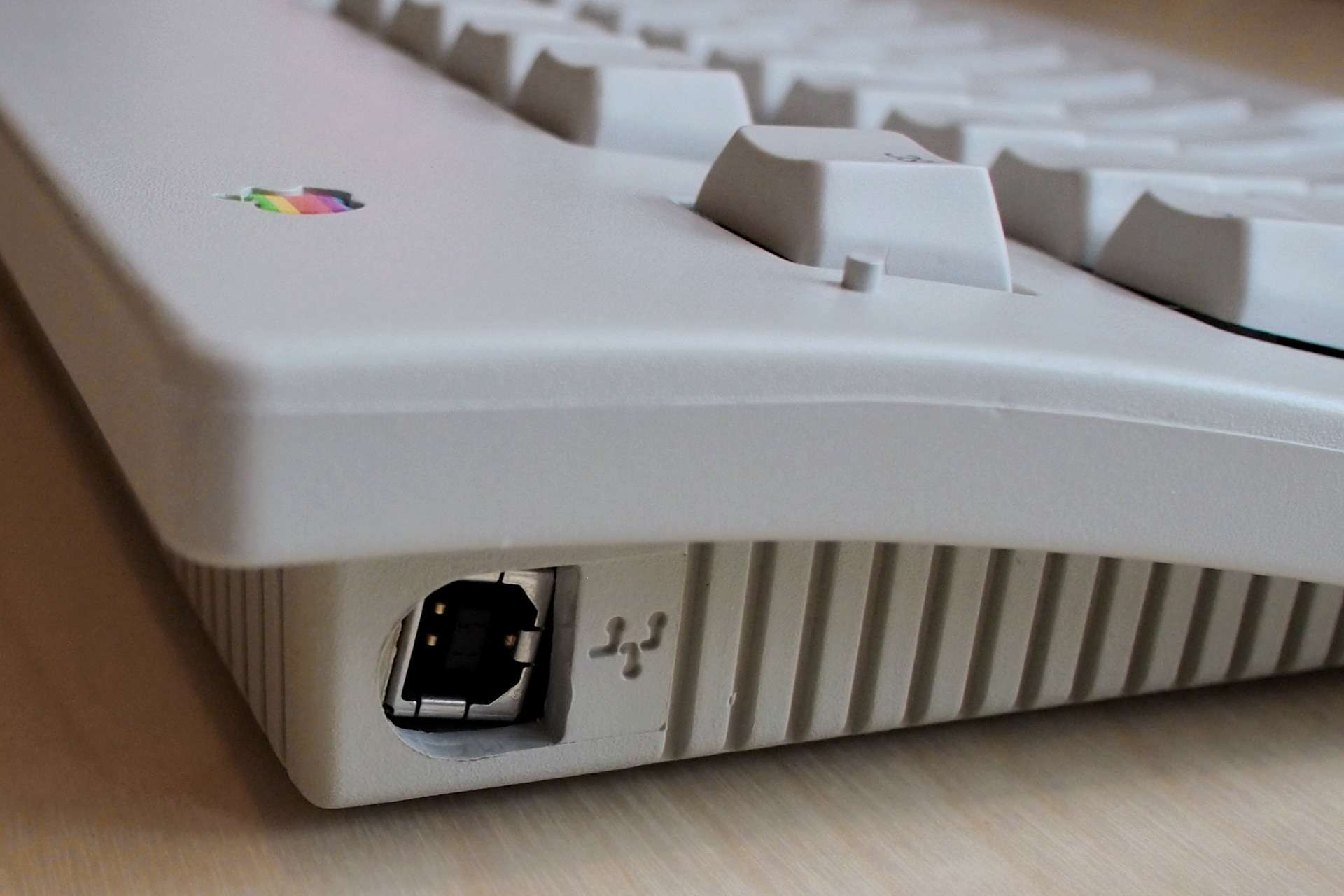
 November 15, 1990: Cupertino wins a design patent for the Apple Extended Keyboard II, arguably the greatest computer keyboard of all time.


 September 25, 2006: Apple ships its second-generation iPod nano, offering a fancy redesign of the pocket-size original.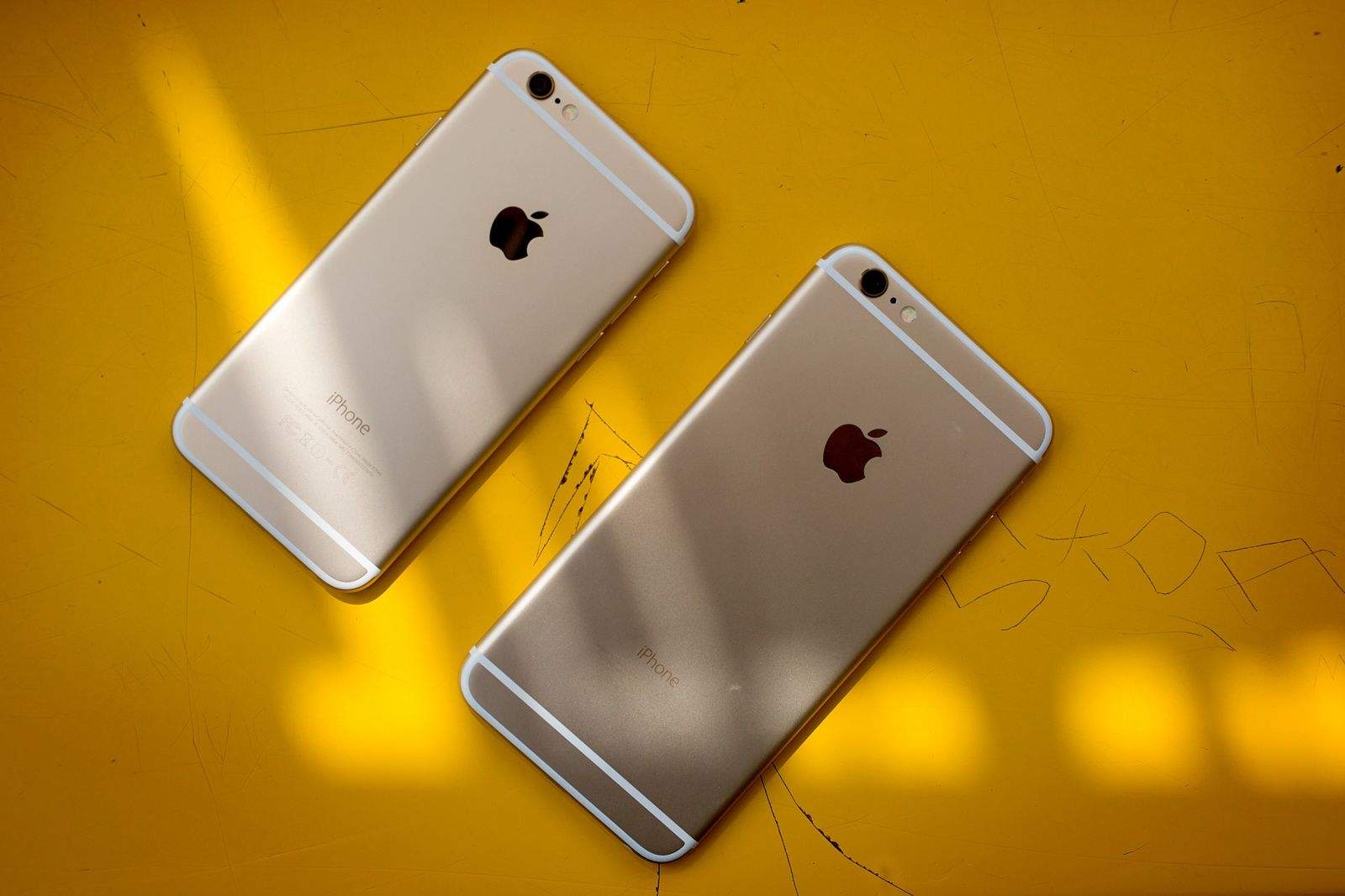
 September 19, 2014: The iPhone undergoes its biggest upgrade — both figuratively and literally — since the original, with the launch of the iPhone 6 and iPhone 6 Plus handsets. The iPhone 6 design brings a new 4.7-inch form factor, while the iPhone 6 Plus expands to a massive 5.5 inches.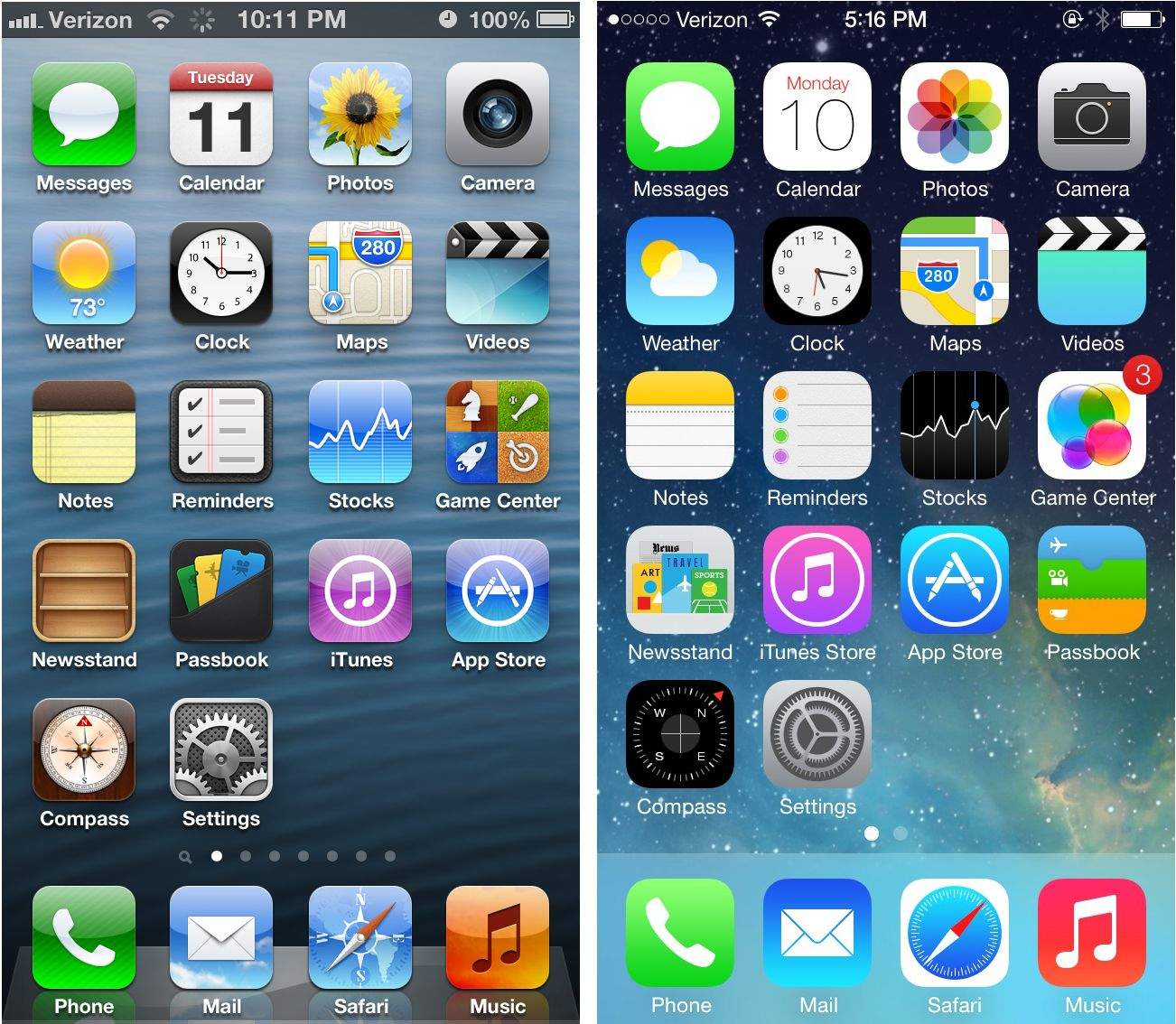
 September 18, 2013: iOS 7 launches with a radical redesign that divides the tech world. The biggest overhaul Apple’s mobile operating system has seen in years, iOS 7 ditches the skeuomorphic objects, dials and textures of previous iterations.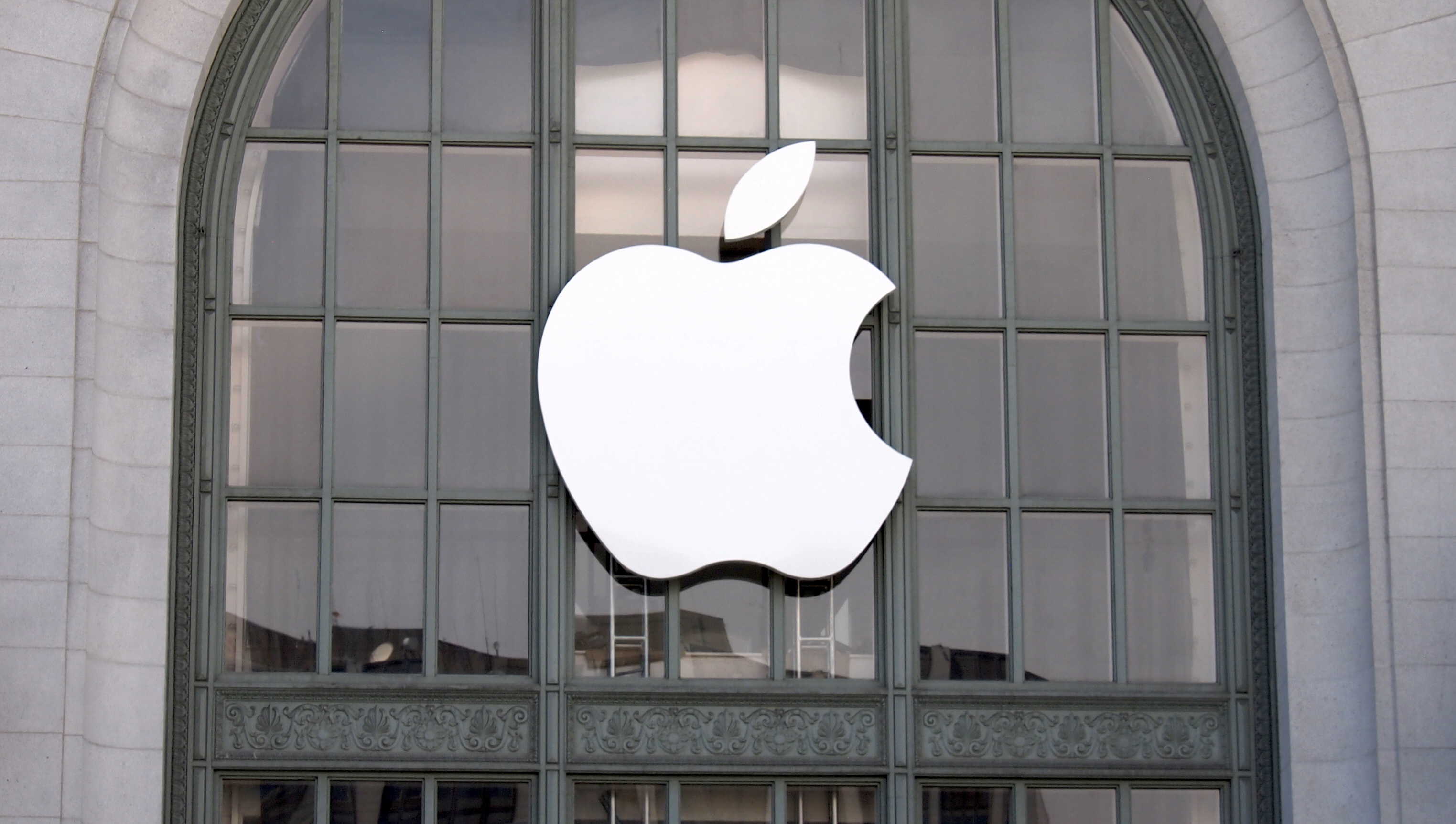
 August 27, 1999: Apple swaps out the striped, multicolored logo the company used since 1977 for a new single-color version. The evolution of the iconic Apple logo from rainbow to monochrome shocks many longtime fans.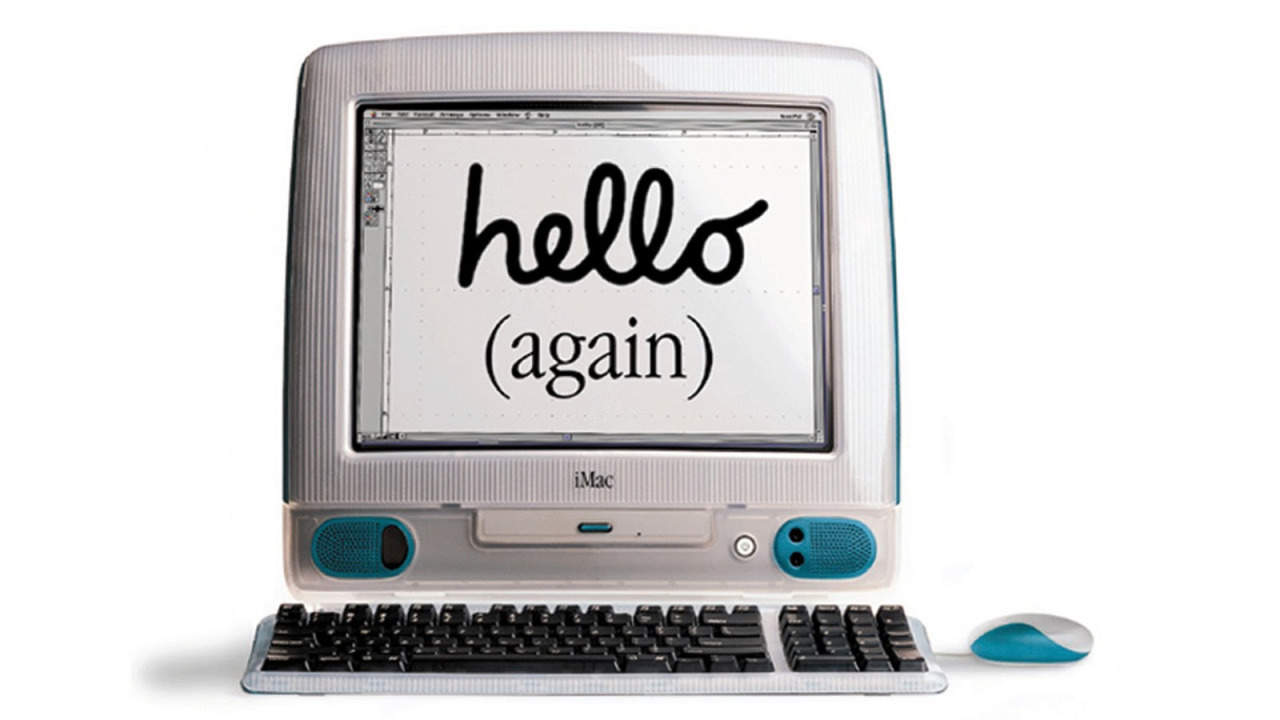
 August 15, 1998: The original iMac — Apple’s brightly colored, translucent Macintosh relaunch — goes on sale to a rabid audience. Steve Jobs’ first major new product since returning to Apple, the internet-ready iMac G3 line will cement his legacy as a forward-thinking tech visionary.
 August 13, 2002: Apple unveils the final face-lift for its Power Mac G4, the so-called “Mirrored Drive Doors” model.
 July 24, 2006: The world gets its first glimpse of Apple’s new wireless Mighty Mouse, a multibutton Bluetooth device with super-accurate laser tracking.