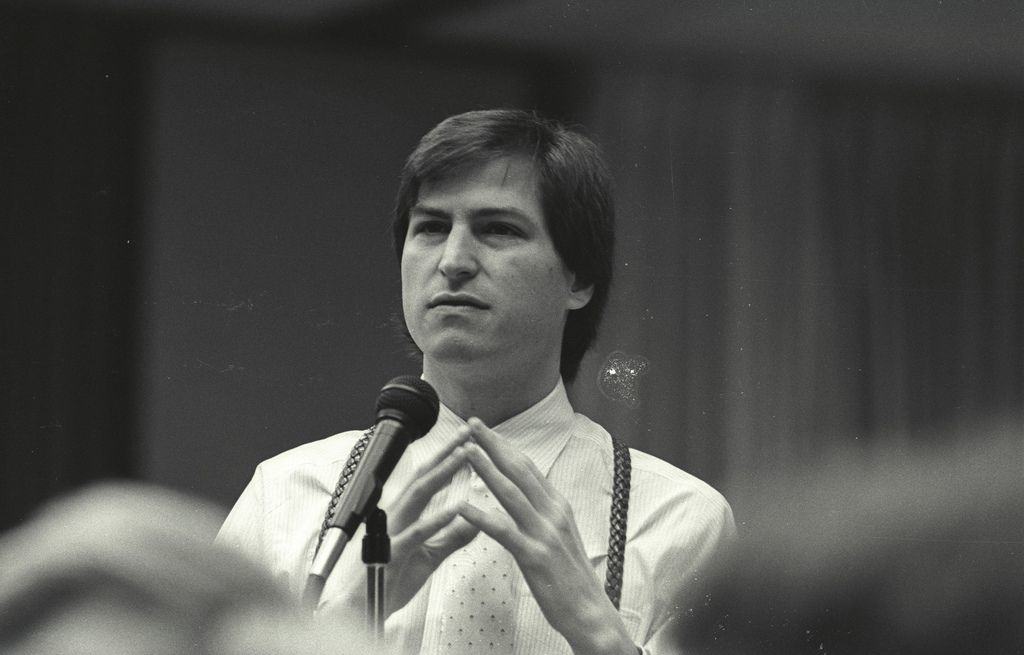
 May 23, 1985: Bitter about being ousted from his position running the Macintosh division, Steve Jobs attempts to stage a boardroom coup to seize control of Apple from CEO John Sculley.
The 30-year-old Apple co-founder plans to overthrow Sculley while the CEO is away on a business trip in China. Unfortunately for Jobs, he makes a critical mistake when he tries to recruit the support of Apple executive Jean-Louis Gassée, who informs Sculley of the plot.
It’s the beginning of the end for Jobs’ first tenure at Apple.
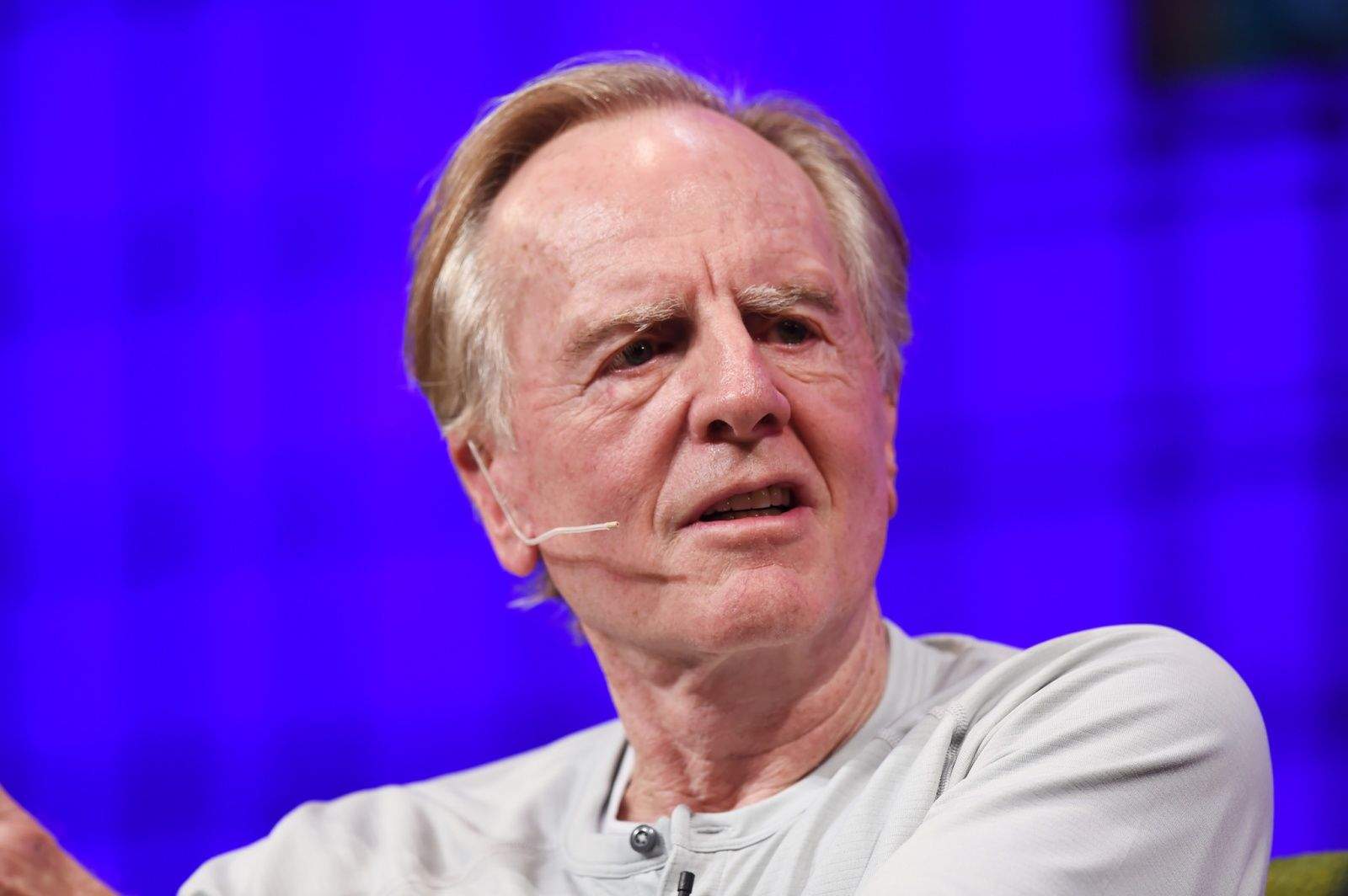
 May 17, 1983: John Sculley takes the helm as Apple’s third president and CEO. The former Pepsi-Cola boss is short on tech experience but long on marketing, which will become increasingly important as the personal computer revolution ramps up.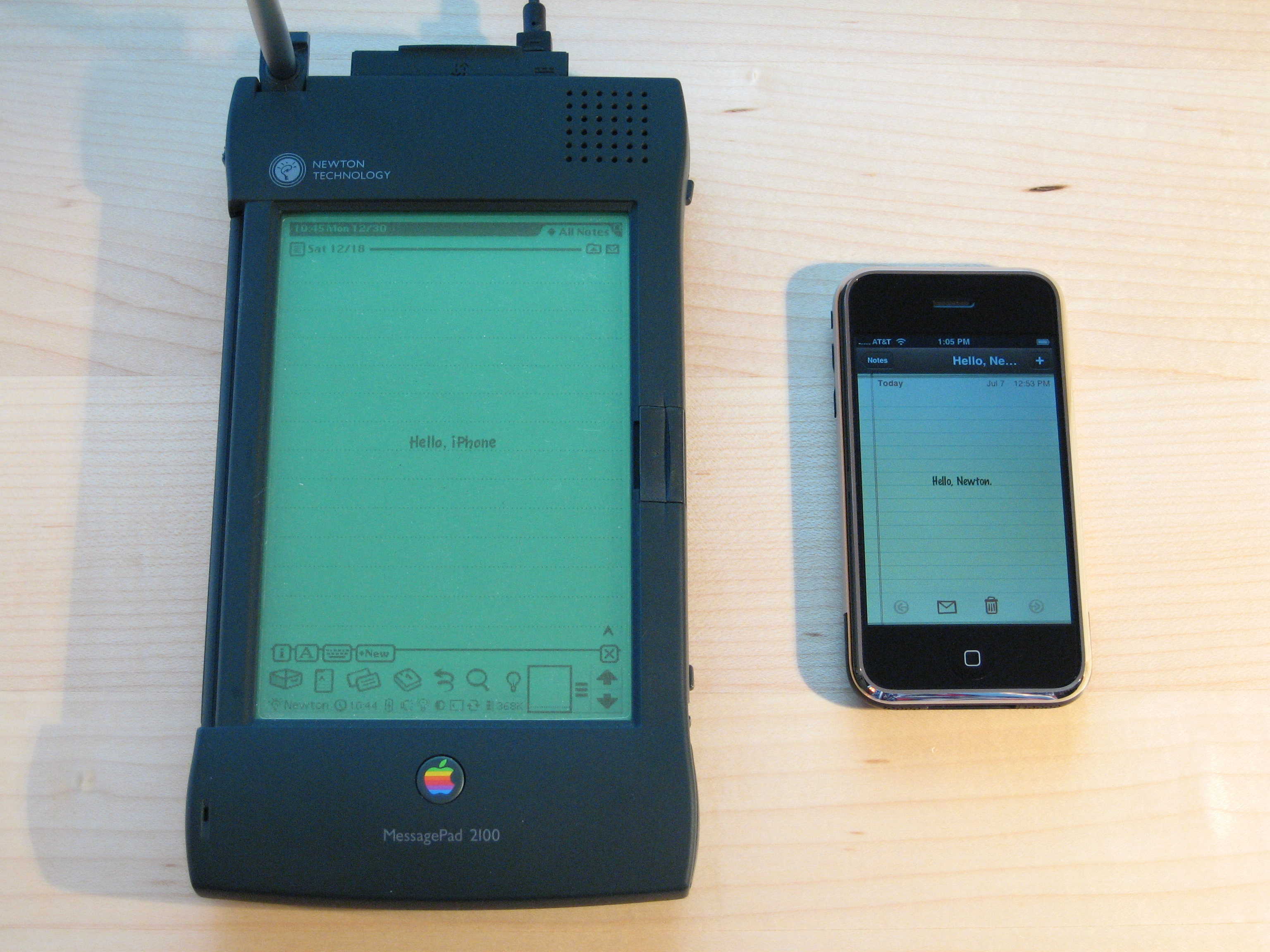
 April 19, 1994: Gaston Bastiaens, the executive in charge of Apple’s revolutionary new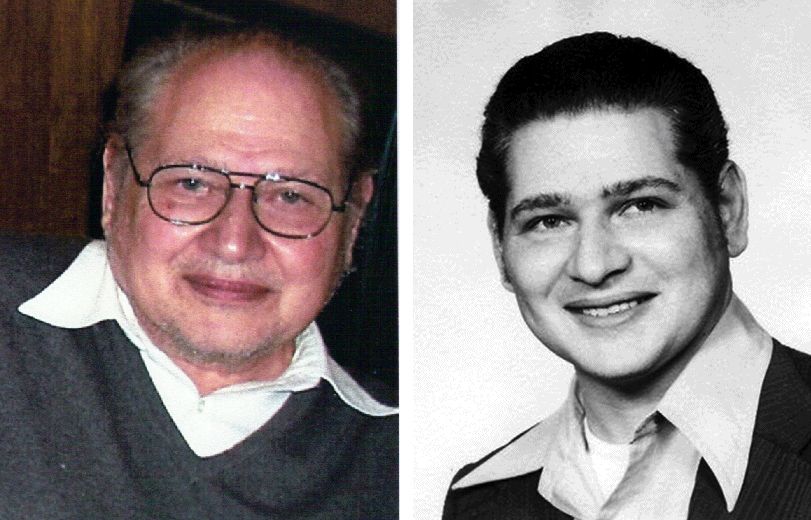
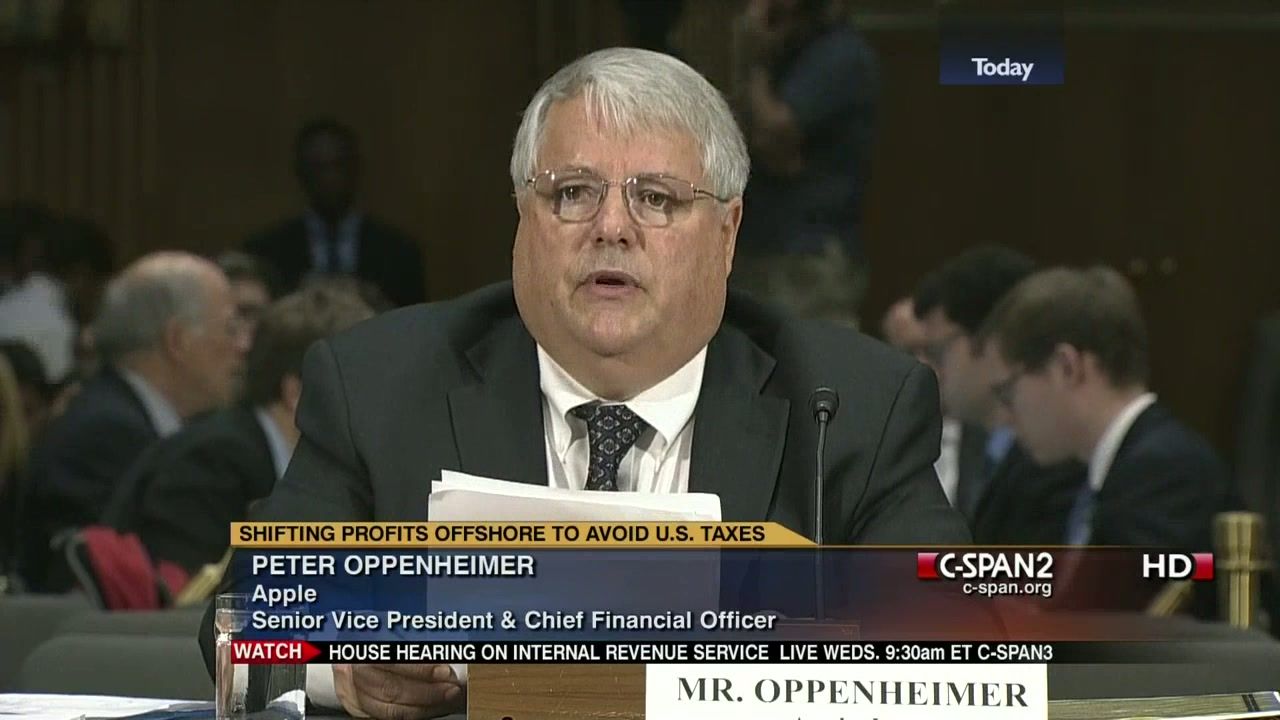
 April 12, 1976: Apple’s third co-founder, a former Atari colleague of Steve Wozniak’s named Ron Wayne, cashes in his Apple shares for just $800.
 April 8, 1983:

 March 4, 2014: Peter Oppenheimer, the Apple chief financial officer who presided over a decade of skyrocketing growth, steps down from the company.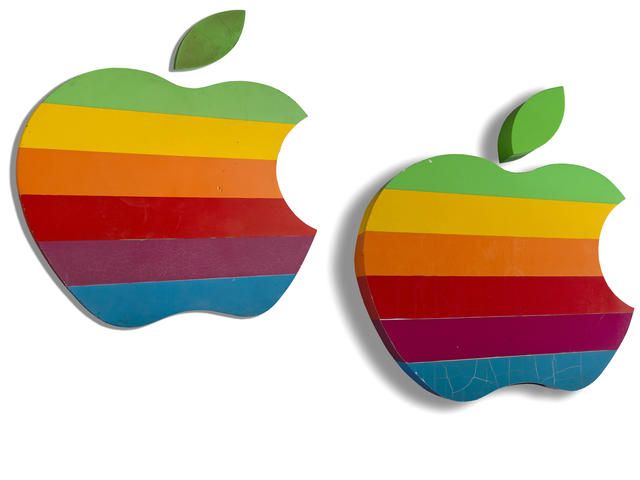
 February 25, 1981: Apple CEO Michael Scott oversees a mass firing of employees, then holds a massive party. The Apple layoffs follow a hiring boom that led to what Scott called a “bozo explosion” at the company. They also stand as an early sign that the fun startup culture of Apple’s early days are gone forever.
 February 7, 1981: Apple co-founder Steve Wozniak is involved in a serious plane crash in California, resulting in his first lengthy leave of absence from the company.
 February 2, 1996: Apple reveals that turnaround artist Gil Amelio will take over from Michael “The Diesel” Spindler as CEO of the struggling company.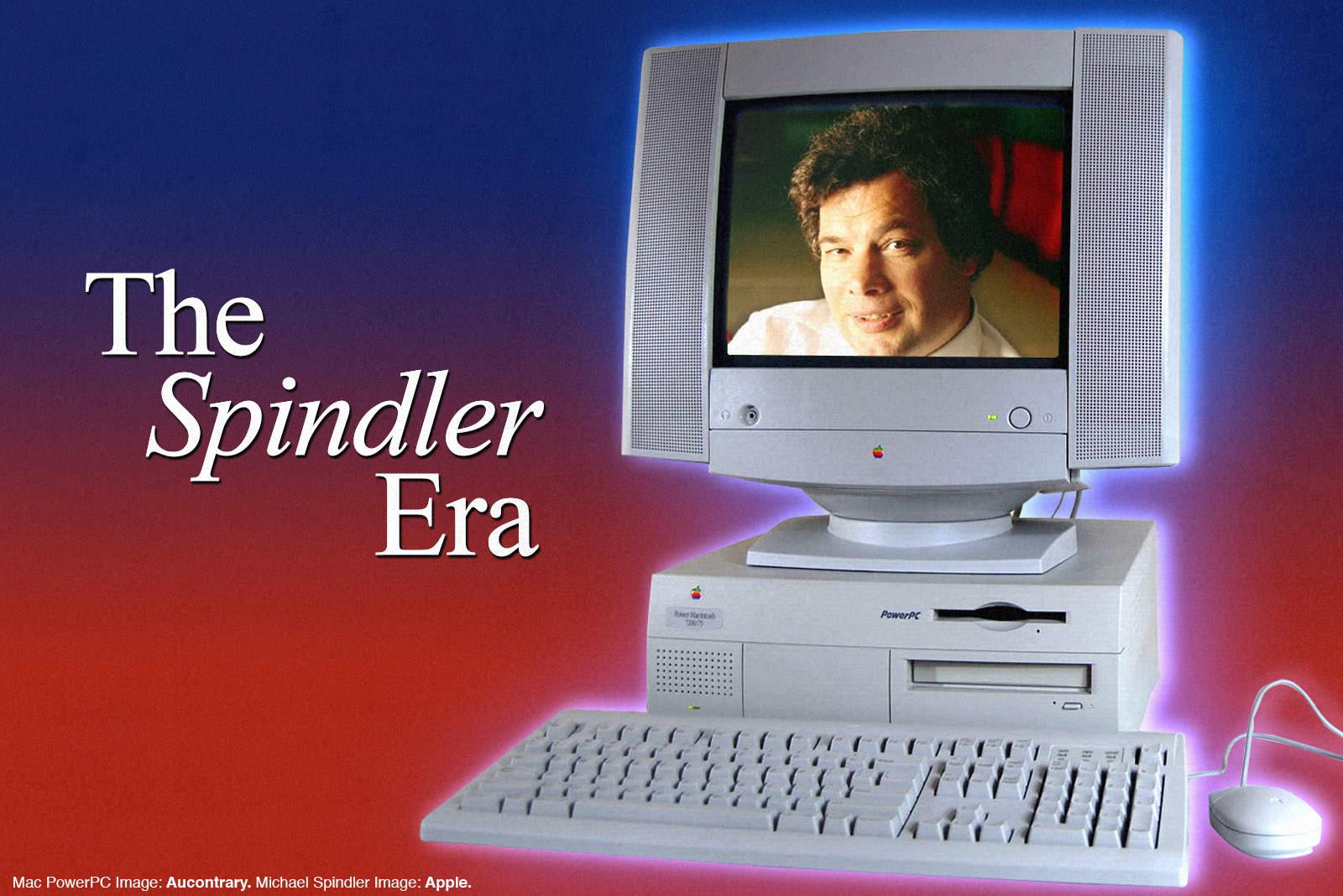
 January 29, 1990: Apple CEO John Sculley appoints Michael Spindler as the company’s new chief operating officer.
 November 9, 1994: Gil Amelio, a businessman with a reputation as a talented turnaround artist, joins Apple’s board.
 October 29, 2012: Scott Forstall, Apple’s senior vice president of iOS software, is fired from the company after the disastrous Apple Maps launch. After Forstall is ousted, Apple divvies up the roles he previously handled among other high-level execs.
 October 15, 1993: John Sculley, the former CEO responsible for forcing Steve Jobs out of Apple, is forced to leave the company himself.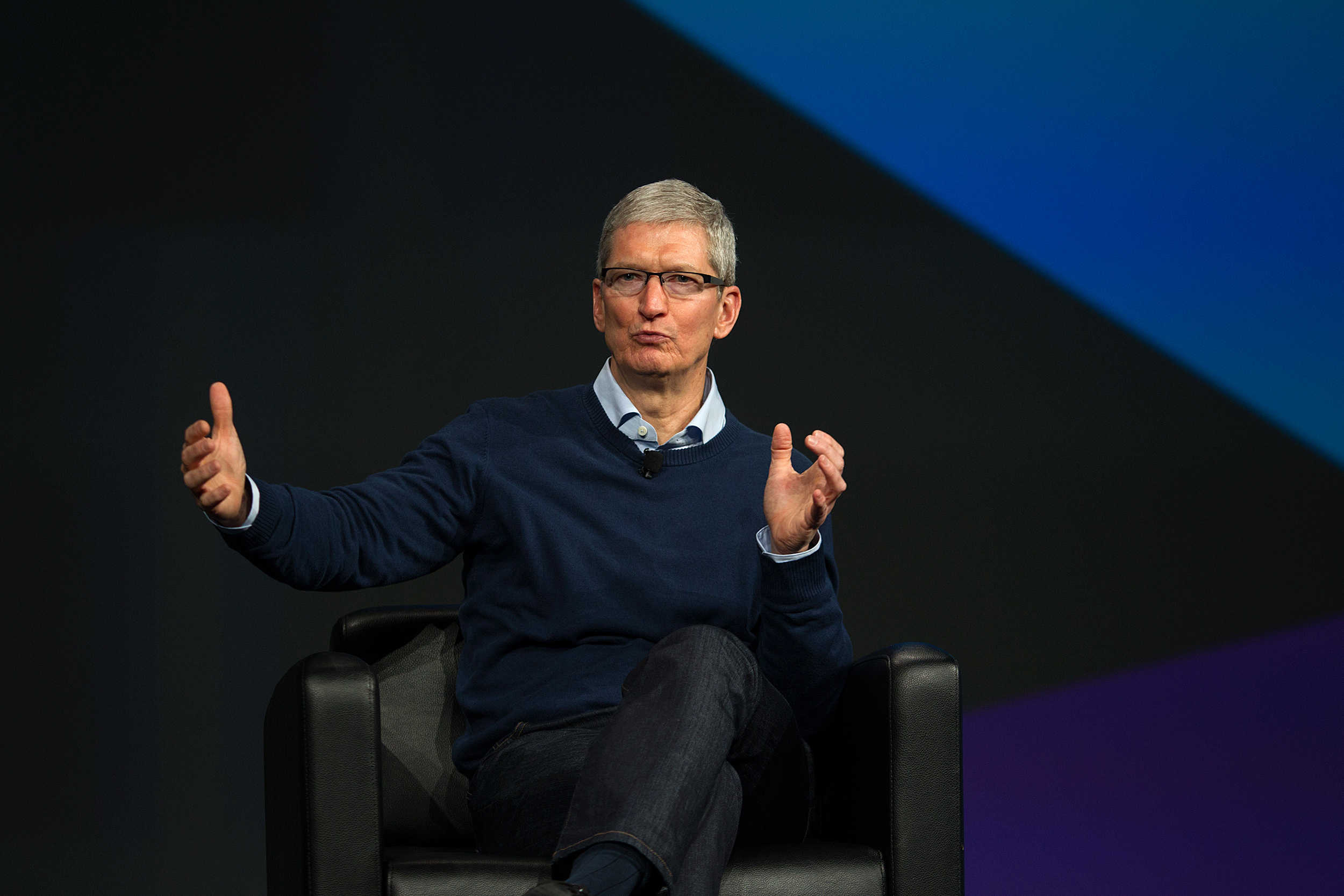
 October 14, 2005: Tim Cook takes the reins as Apple’s chief operating officer, continuing an upward climb through the company’s ranks that will make him CEO less than six years later.
 October 3, 1994: Apple CEO Michael Spindler reassures the world that Apple “is not a lame-duck company.”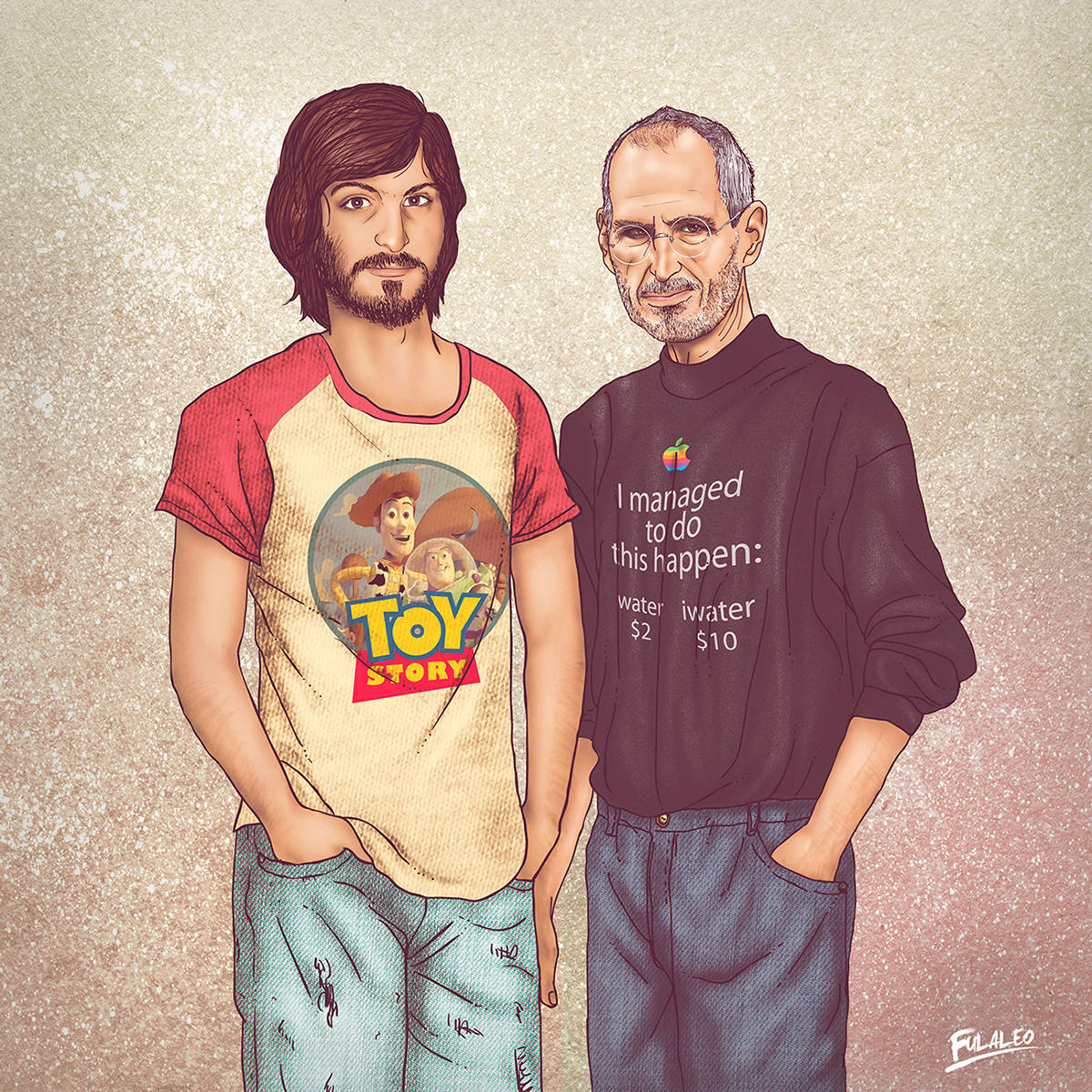
 September 16, 1985 and 1997: Twice on this day, Steve Jobs makes significant moves with regard to his career at Apple. In 1985, he leaves the company he co-founded. Then, a little more than a decade later, he officially returns to Apple as its new interim CEO.
 August 24, 2011: With his health worsening, a cancer-stricken Steve Jobs resigns from his role leading Apple. Tim Cook assumes the role of Apple’s seventh CEO.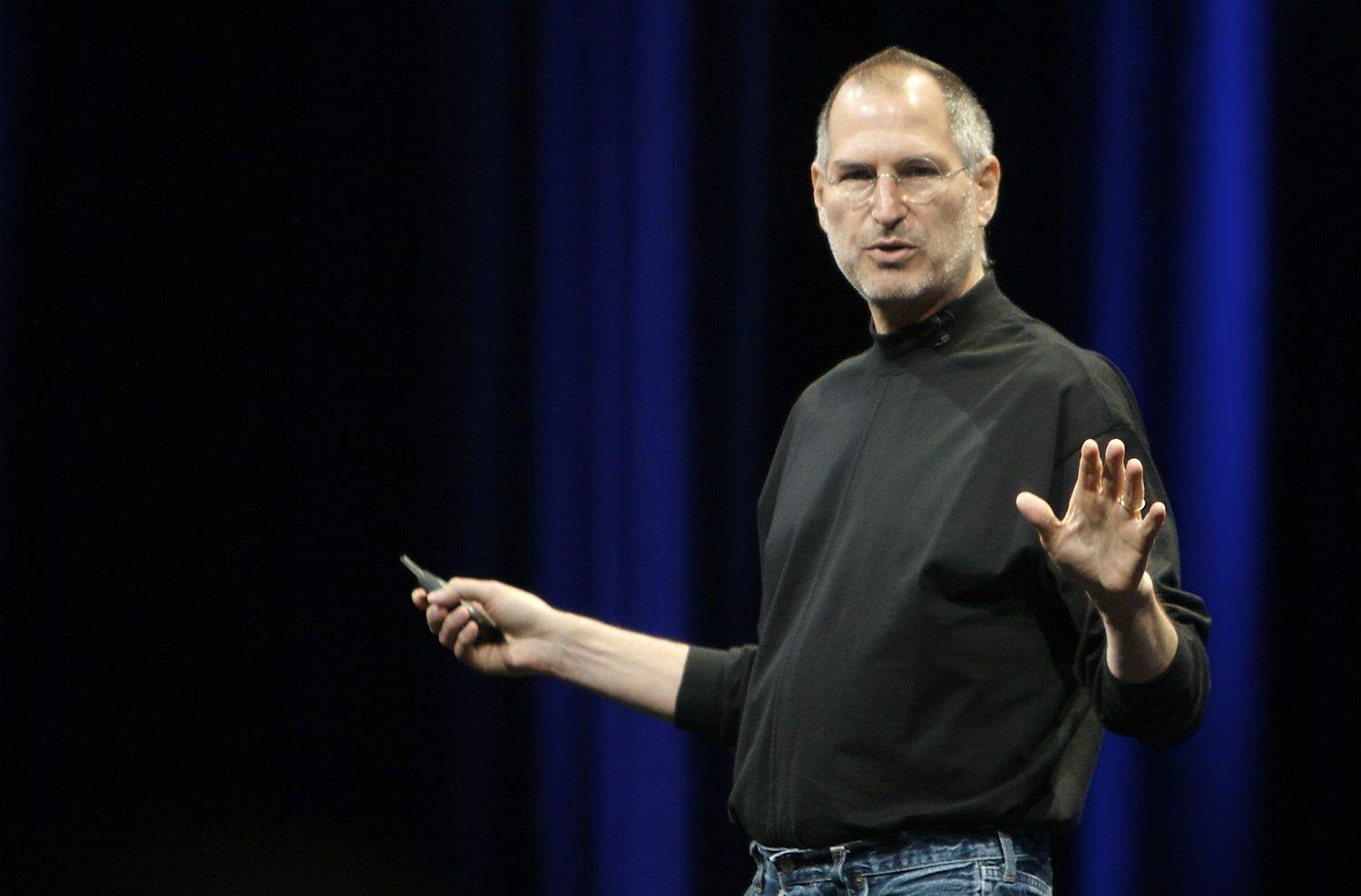
 July 8, 1997: Steve Jobs begins his path to becoming chief executive officer of Apple, after former CEO Gil Amelio
  July 6, 1997: Following a massive quarterly loss for Apple, board member Edgar S. Woolard Jr. calls CEO Gil Amelio and informs him that he needs to step down. “You’ve done a lot to help the company, but the sales haven’t rebounded,” Woolard says.

