May 28, 2010: Customers across Europe and Asia queue up to buy the iPad when the international launch date for Apple’s original tablet finally arrives.
The reason for the gap between the iPad’s U.S. launch in early April and its international debut more than a month later? Unexpectedly large demand for the groundbreaking device.
The Apple Watch is the first major new product launch of the post-Steve Jobs era. Photo: Jim Merithew/Cult of Mac
April 24, 2015: The original Apple Watch launch means consumers, who endured a seven-month wait after the device’s unveiling at a keynote the previous September, can finally strap an Apple wearable onto their wrists.
Apple CEO Tim Cook describes the smartwatch as the “next chapter in Apple history.” Behind the scenes, however, the first Apple Watch launch is a moment long in the making.
April 17, 1977: The Apple II launch at the West Coast Computer Faire positions Apple at the forefront of the looming personal computer revolution.
The company’s first mass-market computer, the Apple II boasts an attractively machined case designed by Jerry Manock (who will later design the first Macintosh). It also packs a keyboard, BASIC compatibility and, most importantly, color graphics.
Fueled by some marketing savvy from Apple co-founder Steve Jobs, the Apple II launch makes quite a splash at the San Francisco Bay Area’s first personal computer convention.
March 31, 2010: The world gets its first sense of how Apple’s tablet measures up, as the first iPad reviews hit the internet.
The consensus? That there’s no Flash, no USB, no multitasking — but Apple’s tablet offers an exciting new computing experience all the same. As USA Today writes, “The first iPad is a winner.”
Would an iPad by any other name smell as sweet? Photo: Apple
March 26, 2010: Apple pays up to settle a trademark dispute with Japanese multinational Fujitsu over the name “iPad” in the United States.
It comes two months after Apple CEO Steve Jobs first showed off the iPad, and around a week before the tablet will land in stores. As it happens, it’s not the first time Apple battled over the name for one of its new products.
The Newton MessagePad 2000 brought many upgrades to Apple's doomed PDA line. Photo: iFixit
March 24, 1997: The Newton MessagePad 2000 brings major upgrades to Apple’s PDA line, including a far better display and a much faster processor.
The best MessagePad yet by a wide margin, it quickly becomes a critical and commercial success. But it won’t be enough to save the doomed product line.
This CD player offered a glimpse of Apple's post-desktop game plan. Photo: Jonathan Zufi
March 22, 1993: Apple launches the PowerCD, the first device from the company that doesn’t require a computer to work.
A portable CD player that also works as an external CD drive for Macs, it offers a glimpse of the extremely lucrative path Apple will follow a decade later. However, the PowerCD itself will ultimately fail in the marketplace.
The iPad 2 took a leap forward in every way except pricing. Photo: Apple
March 11, 2011: How do you follow up your biggest product debut ever? That’s the question Apple needs to answer as the iPad 2 launch date arrives.
Apple’s second-generation tablet boasts a faster dual-core A5 processor inside a lighter build. It’s also the first iPad to feature VGA front-facing and 720p rear-facing cameras. This milestone marks a significant moment inApple history, demonstrating the company’s continuous innovation in the tablet.
The PowerBook 3400 certainly lived up to its name. Photo: Apple
February 17, 1997: Apple launches the PowerBook 3400, a laptop the company claims is the fastest portable computer in the world.
After a rough few years for the PowerBook, this model throws down the gauntlet to rivals. It packs a PowerPC 603e processor capable of running at speeds up to 240MHz. While speedier Apple laptops will quickly overtake the PowerBook 3400, at the time it can keep up with some impressive desktop Macs.
January 27, 2010: After months of rumors and speculation, Steve Jobs publicly shows off the iPad for the first time. Aside from the name, which some people joke sounds like a female sanitary product, the first-generation iPad immediately earns critical acclaim.
“The last time there was this much excitement over a tablet, it had some commandments written on it,” The Wall Street Journal quips.
When it goes on sale a few months later, the first-gen iPad quickly becomes Apple’s fastest-selling new product ever.
Steve Jobs introduces the smartphone that changed smartphones. Photo: Apple
January 9, 2007: Apple CEO Steve Jobs gives the world its first look at the iPhone onstage during the Macworld conference in San Francisco. The initial reaction to that first iPhone demo is mixed. But Jobs is confident that Apple has created a product that people want — even if they don’t know it yet.
The palm-size device combines an iPod, a phone and a PDA. The iPhone unveiling excites many Apple fans but critics remain skeptical.
They looked weird at first, but now it's impossible to remember a world without AirPods. Photo: Dagny Reese/Unsplash License
December 13, 2016: After months of anticipation and delay, Apple finally launches the first-generation AirPods. The tiny wireless earbuds arrive in Apple’s online store just in time for holiday shoppers looking for stocking stuffers.
Like so many Apple products, they aren’t the first wireless earbuds to arrive on the scene. However, AirPods’ rapid success will fuel a wireless listening revolution.
Aside from powerful M4-series chips, the new MacBook Pros feature a 12MP Center Stage camera, a nano-texture display option and other upgrades.
Photo: Apple
Apple took the wraps off M4-powered MacBook Pros on Wednesday. While the new laptops sport the same design as their predecessors, they deliver faster performance and a staggering 24 hours of battery life, the company said in a press release announcing the M4 MacBook Pro launch.
“MacBook Pro is an incredibly powerful tool that millions of people use to do their life’s best work, and today we’re making it even better,” said John Ternus, Apple’s senior vice president of hardware engineering.
The iPod Photo brought us one step closer to the iPhone. Photo: Apple
October 26, 2004: Apple debuts the iPod Photo, a device capable of putting not just 15,000 songs in your pocket, but also 25,000 photographs. The new device “lets you take your entire music and photo library with you wherever you go,” Apple says.
It is the first iPod to offer a color screen and the ability to display digital images and album cover art. The iPod Photo represents a big step forward in the functionality of Apple’s iconic music player.
Introduced on this day in 2001, the iPod quickly became a cultural phenomenon. Photo: Newsweek
October 23, 2001: Apple CEO Steve Jobs introduces the first iPod, a device capable of storing an entire music library in a highly portable package.
The first-generation device boasts a 5GB hard drive capable of putting “1,000 songs in your pocket.” That may not sound too dazzling in a world in which people can stream the massive Apple Music library from their iPhones, but it was a game-changer at the time!
September 25, 2006: Apple ships its second-generation iPod nano, offering a fancy redesign of the pocket-size original.
“iPod nano is the world’s most popular digital music player, and we’ve completely redesigned it to make it even better,” said Apple CEO Steve Jobs in a press release. “The all-new iPod nano gives music fans more of what they love in their iPods.”
Among the new iPod nano’s improvements are a slimmer, anodized aluminum casing; a brighter screen; longer battery life, and a wide range of colors. And, oh yes, it also includes gapless music playback for the first time!
Customers line up outside of the Regent Street Apple Store in London on Friday. Photo: Apple
As you probably already know, loads of new Apple hardware went on sale Friday in Apple Stores worldwide. Apple celebrated the iPhone 16 launch with photos of crowded stores from … all over. The photos and social media posts seem to contradict initial reports of lower-than-expected preorders on new iPhone 16 handsets.
Many of the pics show customers gleefully getting their new iPhones, Apple Watch Series 10 wearables, the new black titanium Apple Watch Ultra 2, AirPods 4 and new colors for AirPods Max.
See photos and videos from Apple’s iPhone 16 launch day below.
On this day in 1998, the world said "hello" to the computer that would save Apple. Photo: Apple
August 15, 1998: The original iMac — Apple’s brightly colored, translucent Macintosh relaunch — goes on sale to a rabid audience. Steve Jobs’ first major new product since returning to Apple, the internet-ready iMac G3 line will cement his legacy as a forward-thinking tech visionary.
The all-in-one computer also introduces the world to the design talents of Jony Ive — and pretty much saves Apple in the process.
The original Mac Pro took productivity to new levels. Photo: Apple
August 7, 2006: Apple unleashes the first Mac Pro, a high-end desktop computer that completes the company’s transition from PowerPC to Intel processors.
Built for computation-heavy tasks like 3D rendering and professional audio and video editing, the quad-core, 64-bit Mac Pro serves as a replacement for the Power Mac G5 (from which it borrows its aluminum “cheese grater” design).
July 19, 2004: The fourth-generation iPod brings neat innovations to the popular audio device, including the Click Wheel interface recently introduced on the iPod mini.
“The best digital music player just got better,” says Steve Jobs in a press release on the day the product launches. And yet some people feel disappointed by the upgraded music player.
The smartphone that changed smartphones! Photo: Traci Dauphin/Cult of Mac
June 29, 2007: The first iPhone goes on sale, giving excited Apple fans lined up outside stores their first chance at owning the game-changing smartphone. The queues that greet the original iPhone launch around the world prove that Cupertino is onto a good thing with the smartphone, first shown off by Steve Jobs earlier that year.
The launch-day fervor offers a glimpse of just how revolutionary the iPhone will become.
The iPhone 4 marked the culmination of Steve Jobs' career at Apple. Photo: Apple
June 24, 2010: Apple’s fourth-generation smartphone goes on sale. The iPhone 4 launch brings a sleeker design, a new video telephony service called FaceTime and a gorgeous Retina display, it’s a stunning smartphone.
While history will perhaps remember the device for the “Antennagate” scandal caused by that new design, it is otherwise a pretty fantastic upgrade over the iPhone 3GS. In its first weekend, Apple will sell 1.7 million iPhone 4 handsets. That’s a major triumph for Cupertino.
June 16, 2010: Apple reports a massive surge of interest in its smartphone, with iPhone 4 preorders racking up 600,000 sales on thir first day.
The company calls the number “far higher” than expected. At the time, it’s the most iPhone preorders Apple has ever taken in a single day. AT&T suffers server problems thanks to the demand — with 10 times the usual traffic on its website. It’s proof positive that Apple is onto a winner!
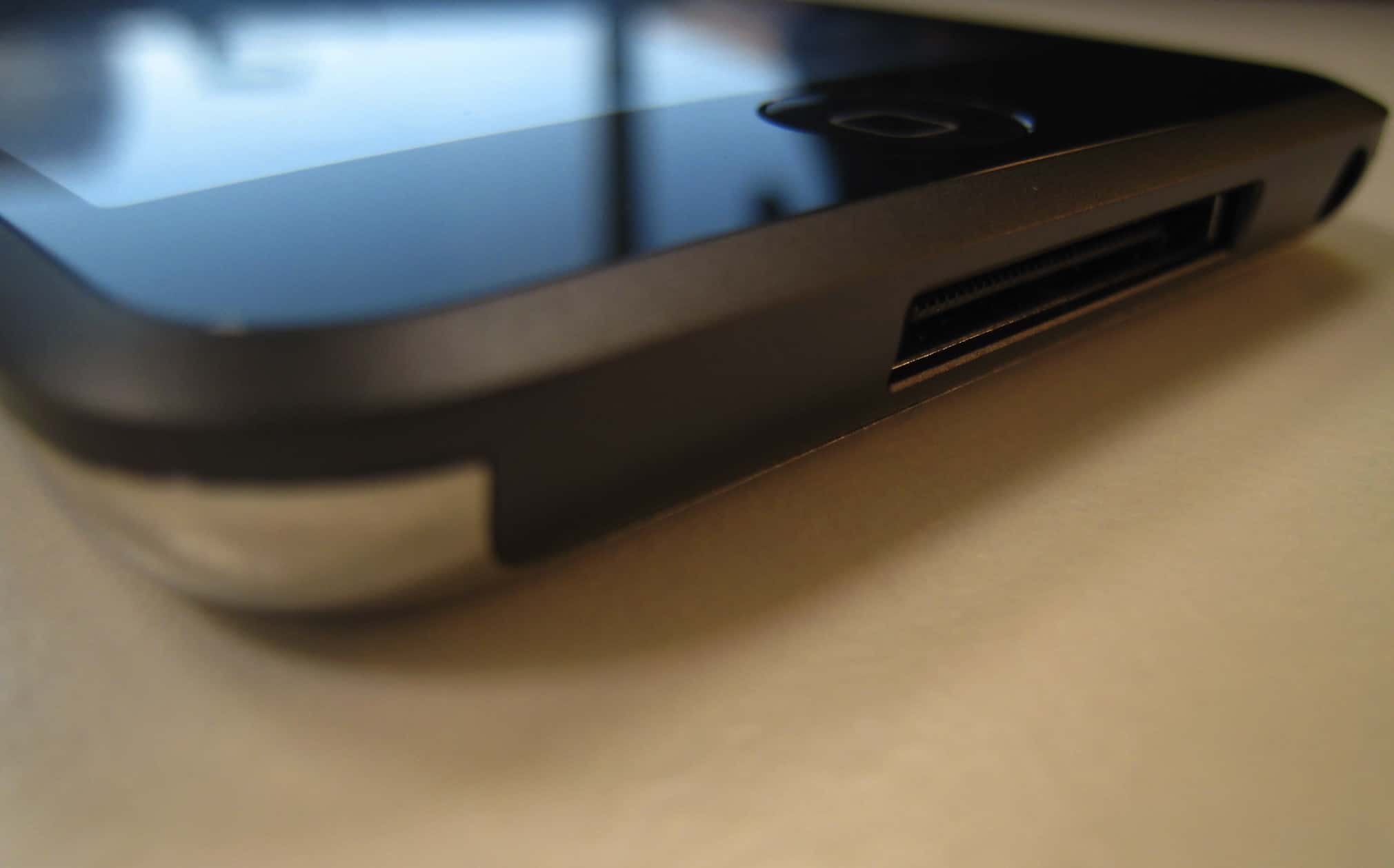
 May 30, 2013: Apple marks the sale of the 100 millionth iPod touch by launching a new, stripped-down model with a budget price of $229.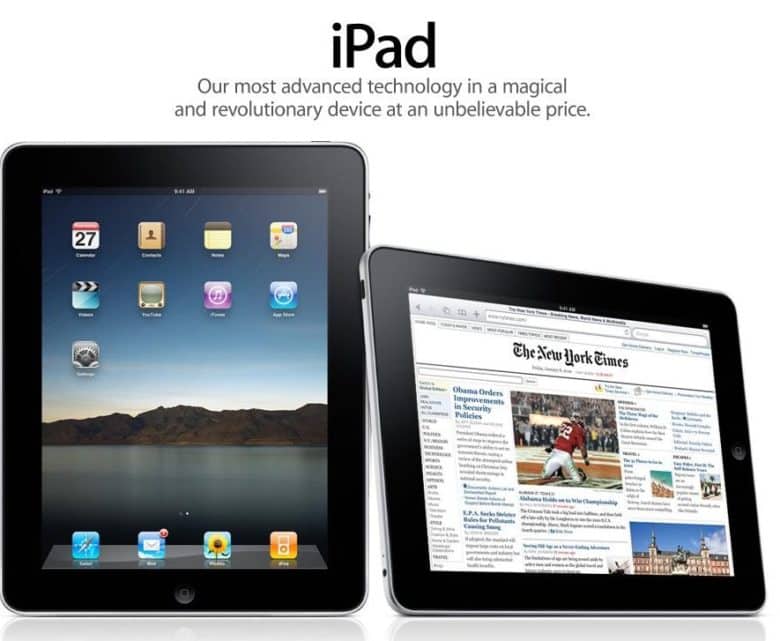
 May 28, 2010: Customers across Europe and Asia queue up to buy the
 April 24, 2015: The original Apple Watch launch means consumers, who endured a seven-month wait after the device’s unveiling at a keynote the previous September, can finally strap an Apple wearable onto their wrists.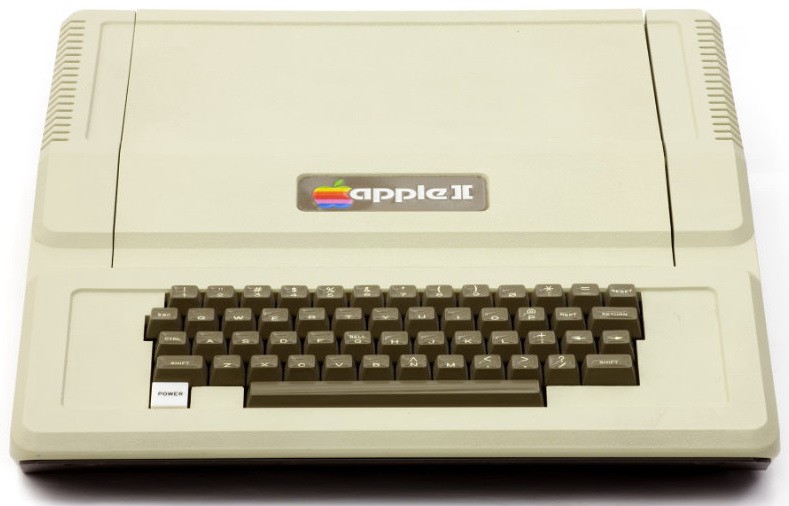
 April 17, 1977: The
  March 31, 2010: The world gets its first sense of how Apple’s tablet measures up, as the first iPad reviews hit the internet.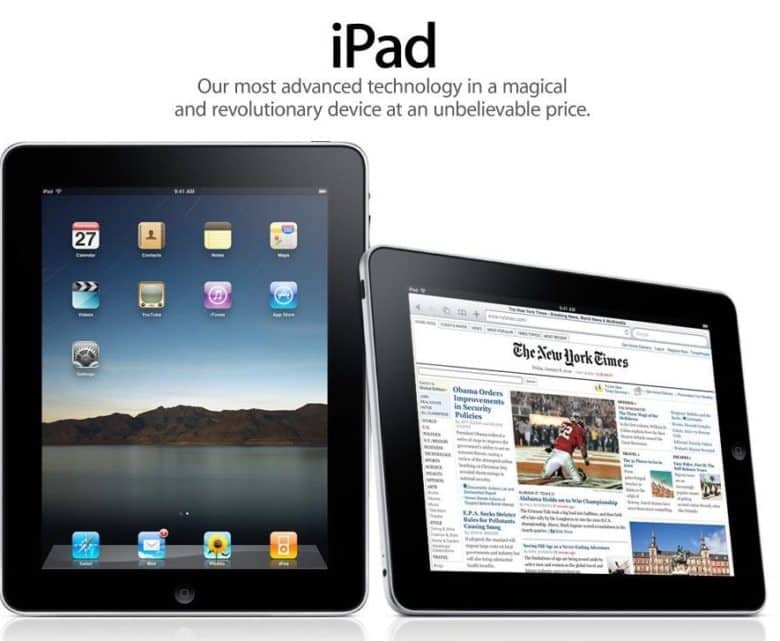
 March 26, 2010: Apple pays up to settle a trademark dispute with Japanese multinational Fujitsu over the name “iPad” in the United States.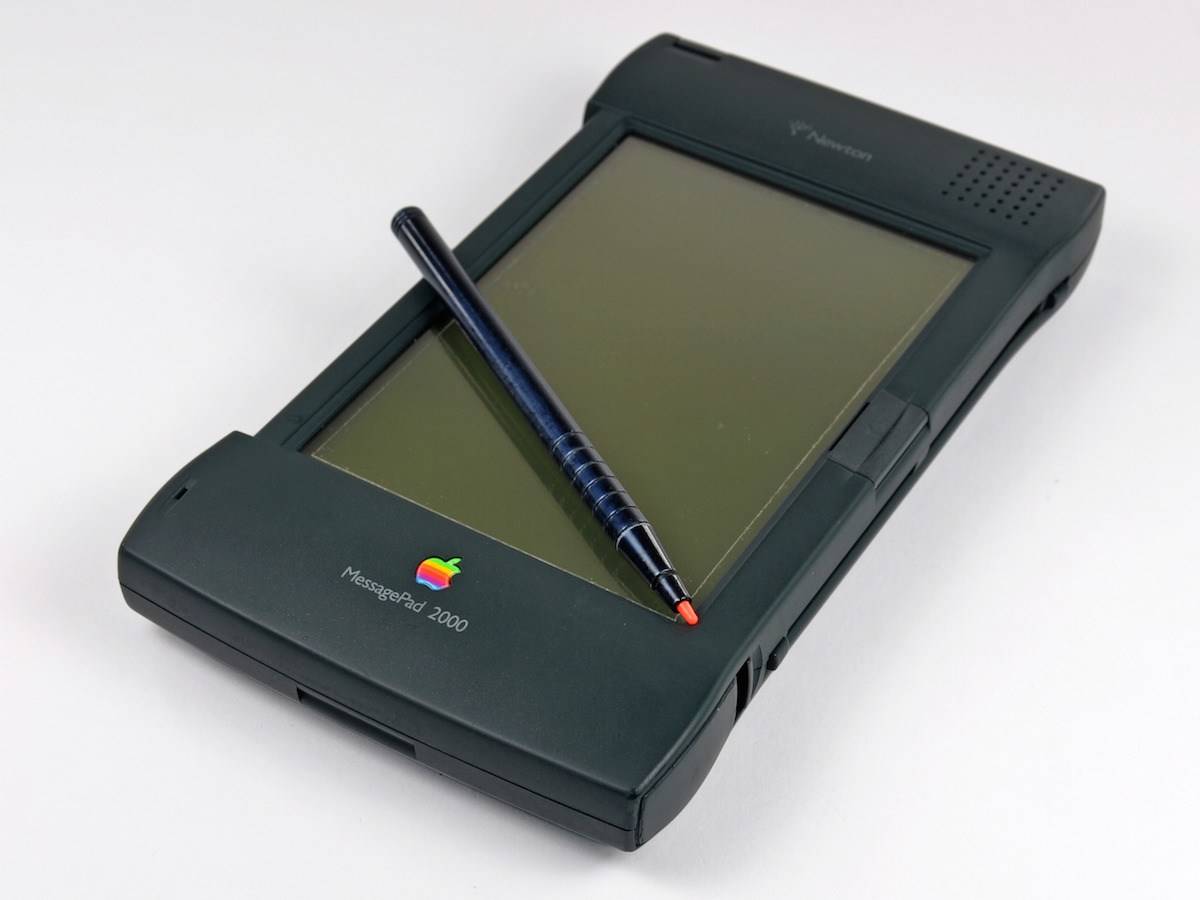
 March 24, 1997: The Newton MessagePad 2000 brings major upgrades to Apple’s PDA line, including a far better display and a much faster processor.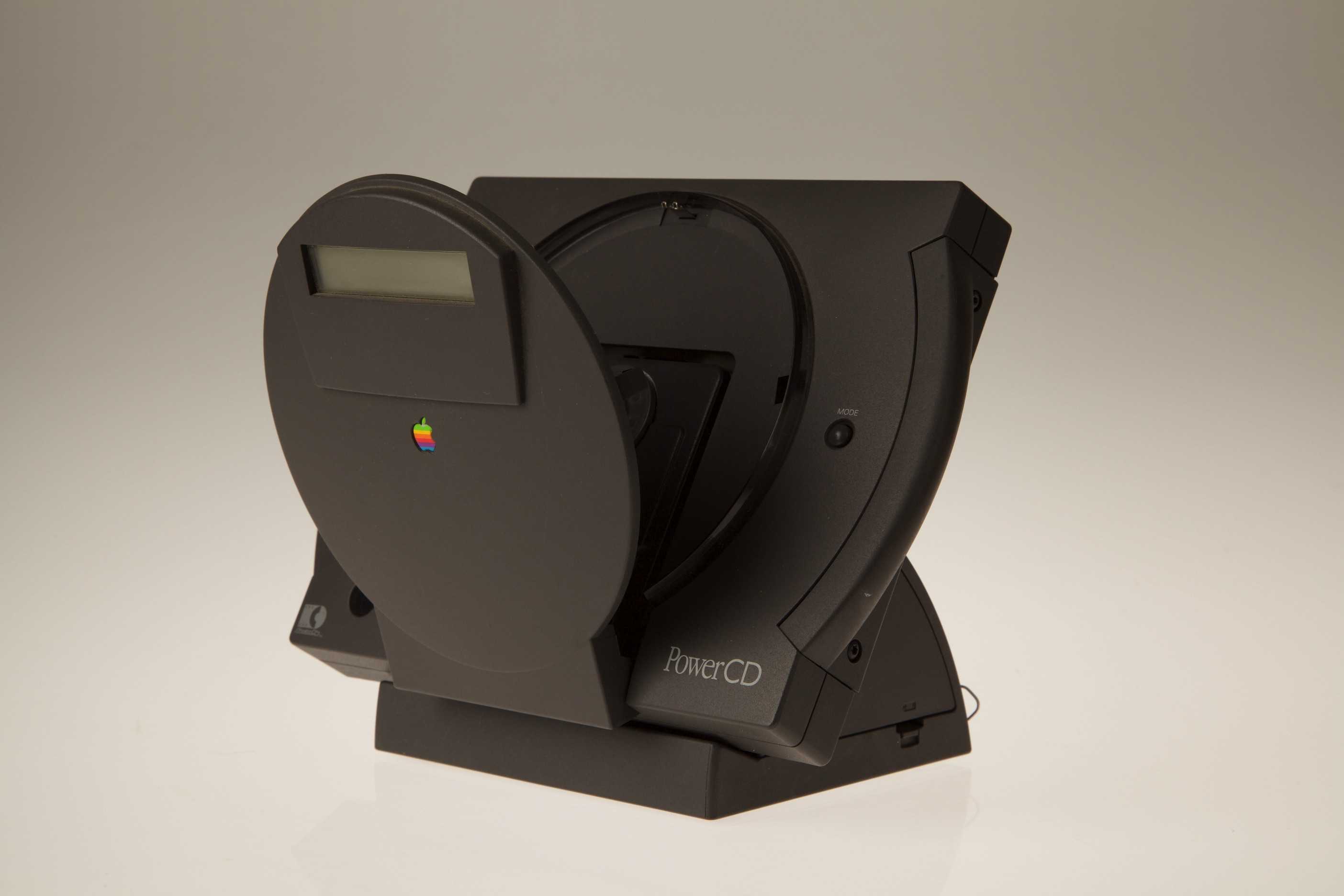
 March 22, 1993: Apple launches the PowerCD, the first device from the company that doesn’t require a computer to work.
 March 21, 2007: Apple launches the Apple TV, a gleaming-white set-top box with a remote control, for bringing iTunes media to the living room.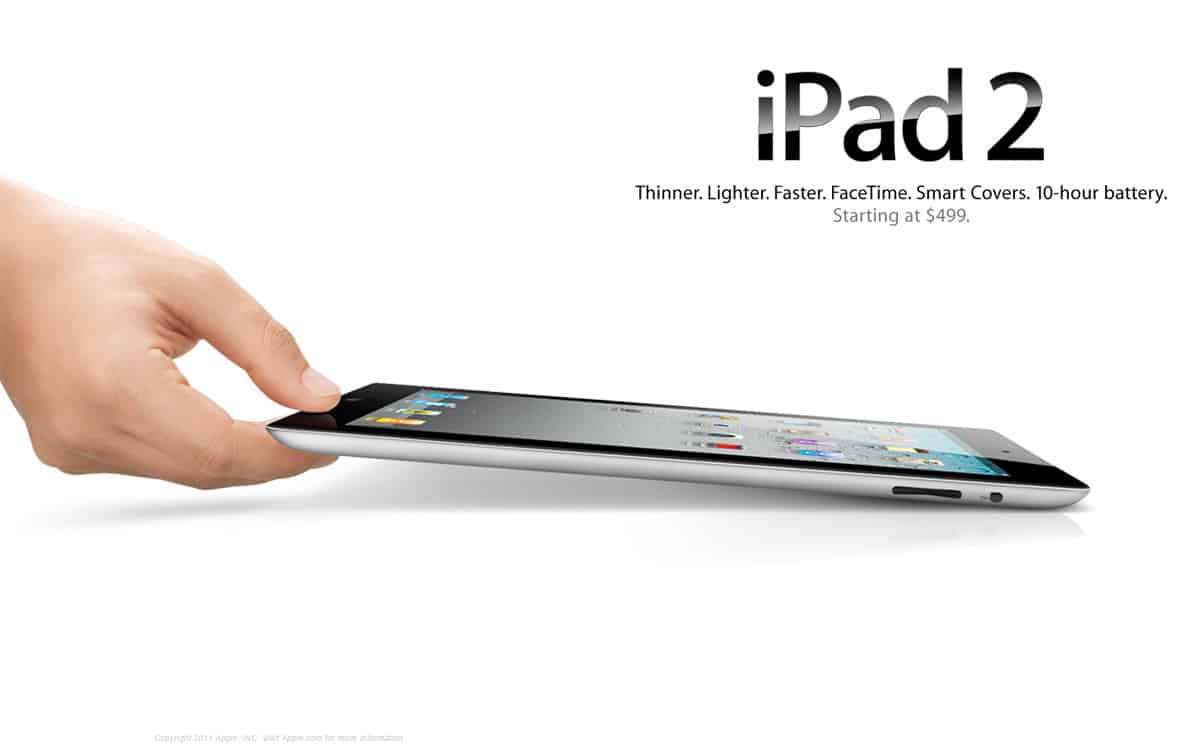
 March 11, 2011: How do you follow up your biggest product debut ever? That’s the question Apple needs to answer as the iPad 2 launch date arrives.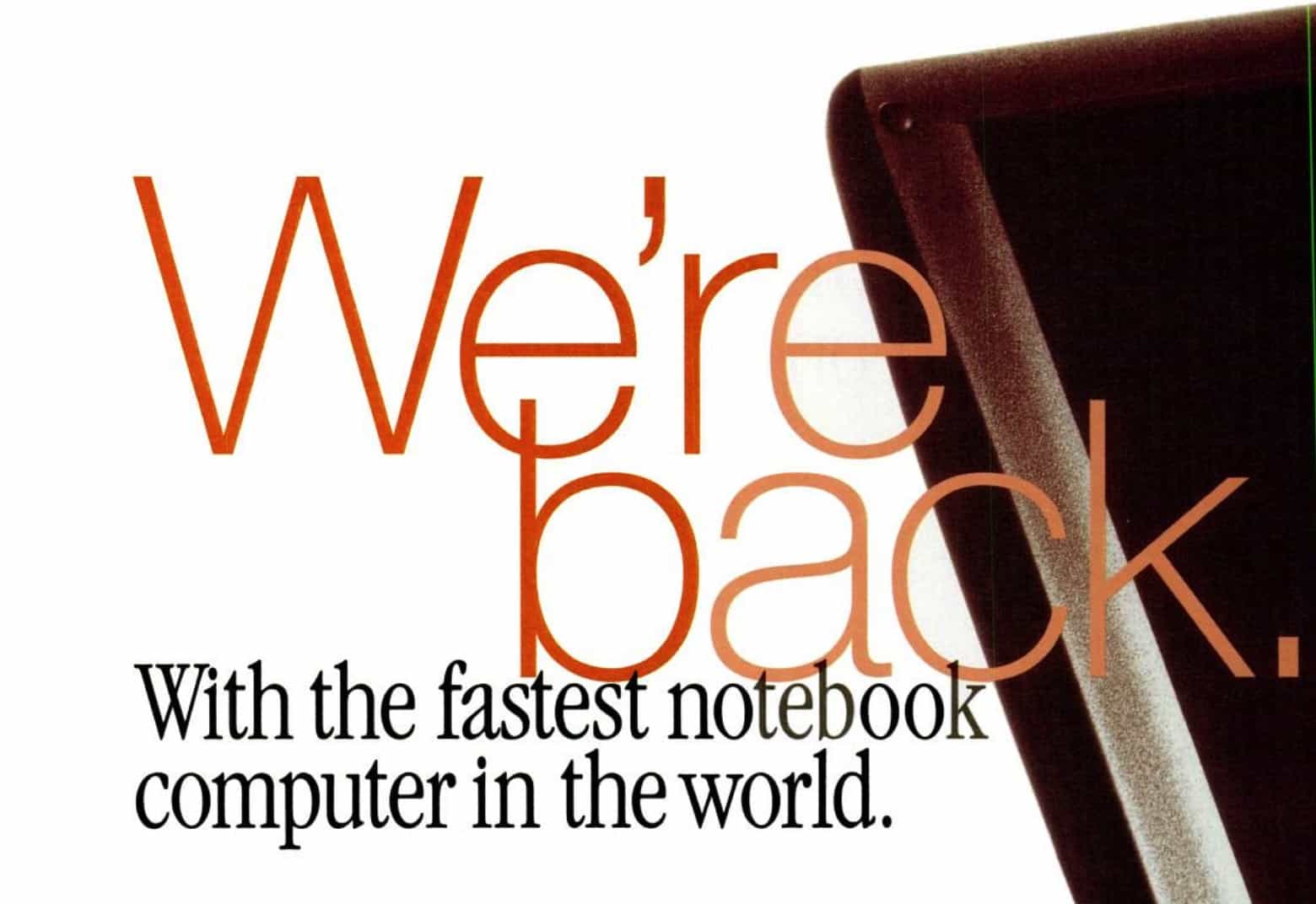
 February 17, 1997: Apple launches the PowerBook 3400, a laptop the company claims is the fastest portable computer in the world.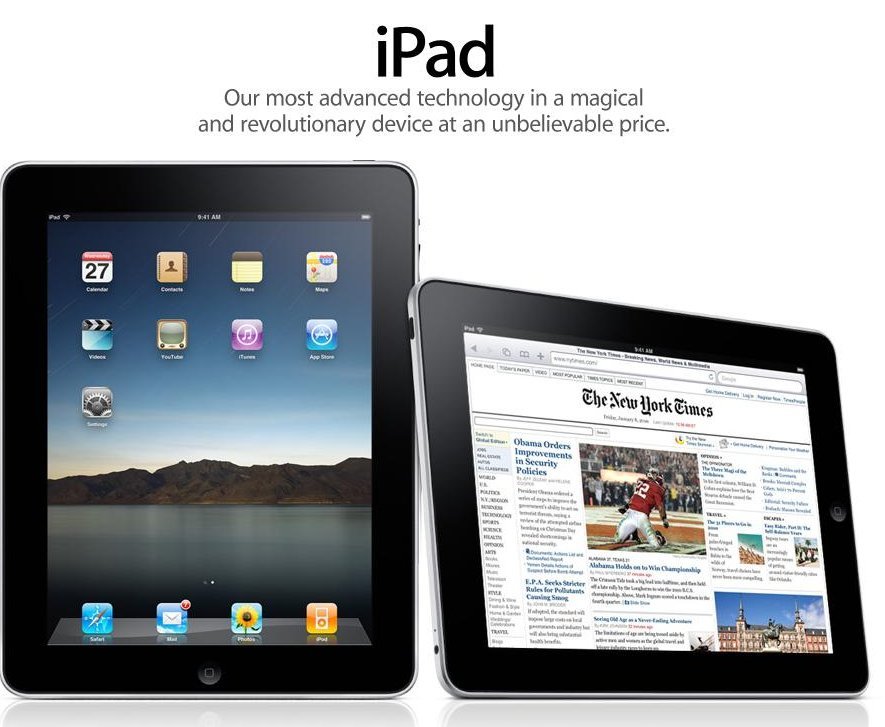
 January 27, 2010: After months of rumors and speculation, Steve Jobs publicly shows off the iPad for the first time. Aside from the name, which some people joke sounds like a female sanitary product, the first-generation iPad immediately earns critical acclaim.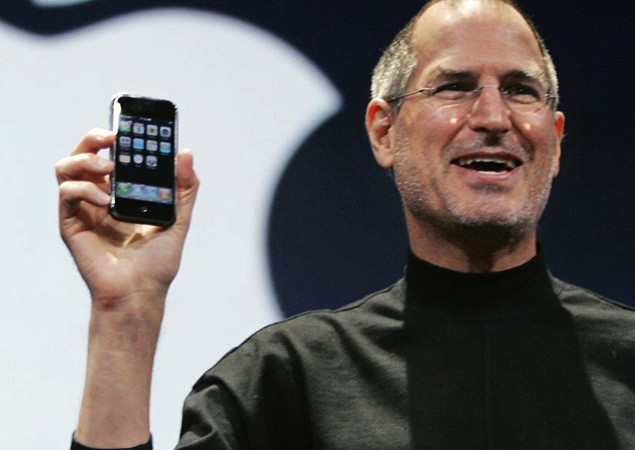
 January 9, 2007: Apple CEO Steve Jobs gives the world its first look at the iPhone onstage during the Macworld conference in San Francisco. The initial reaction to that first iPhone demo is mixed. But Jobs is confident that Apple has created a product that people want — even if they don’t know it yet.
 December 13, 2016: After months of anticipation and delay, Apple finally launches the first-generation AirPods. The tiny wireless earbuds arrive in Apple’s online store
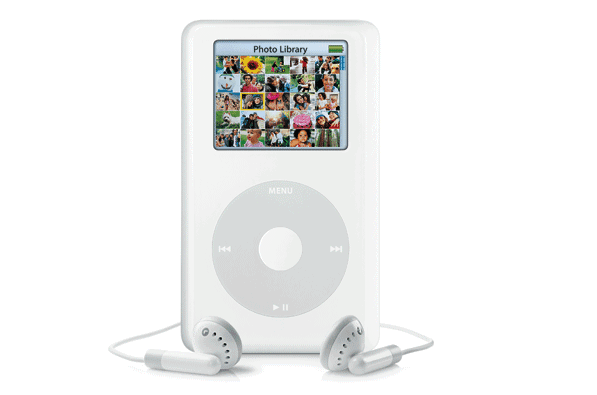
 October 26, 2004: Apple debuts the iPod Photo, a device capable of putting not just 15,000 songs in your pocket, but also 25,000 photographs. The new device “lets you take your entire music and photo library with you wherever you go,” Apple says.
 October 23, 2001: Apple CEO Steve Jobs introduces the first iPod, a device capable of storing an entire music library in a highly portable package.
 September 25, 2006: Apple ships its second-generation iPod nano, offering a fancy redesign of the pocket-size original.
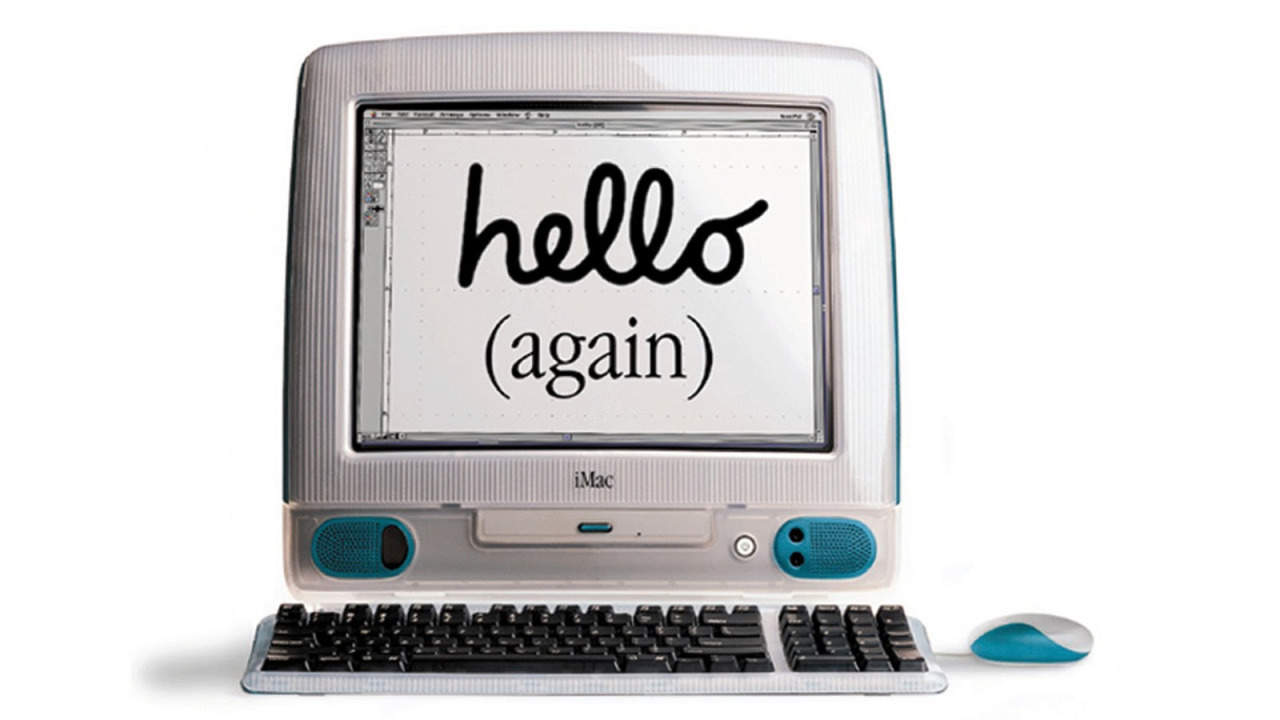
 August 15, 1998: The original iMac — Apple’s brightly colored, translucent Macintosh relaunch — goes on sale to a rabid audience. Steve Jobs’ first major new product since returning to Apple, the internet-ready iMac G3 line will cement his legacy as a forward-thinking tech visionary.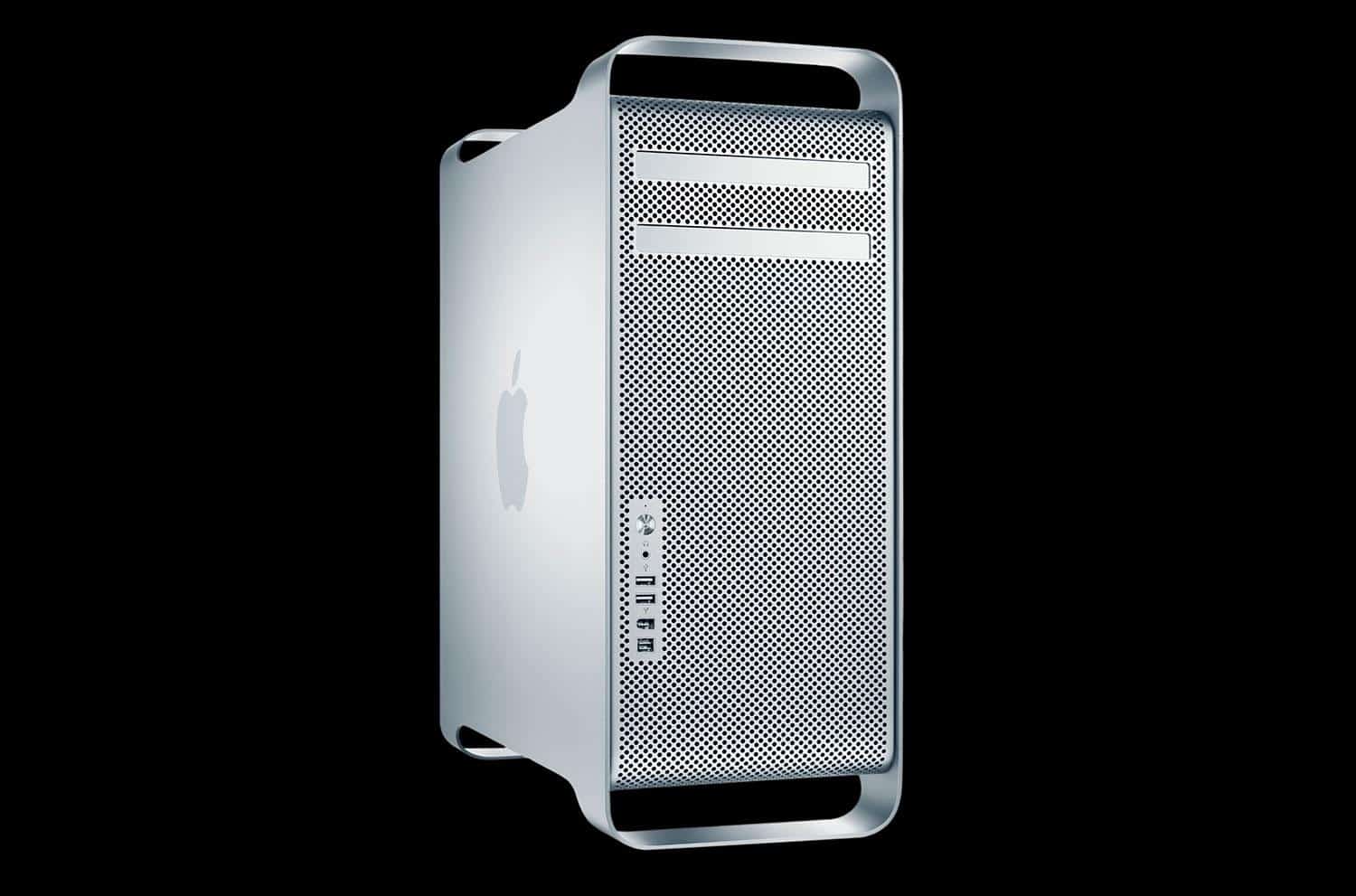
 August 7, 2006: Apple unleashes the first Mac Pro, a high-end desktop computer that completes the company’s transition from PowerPC to Intel processors.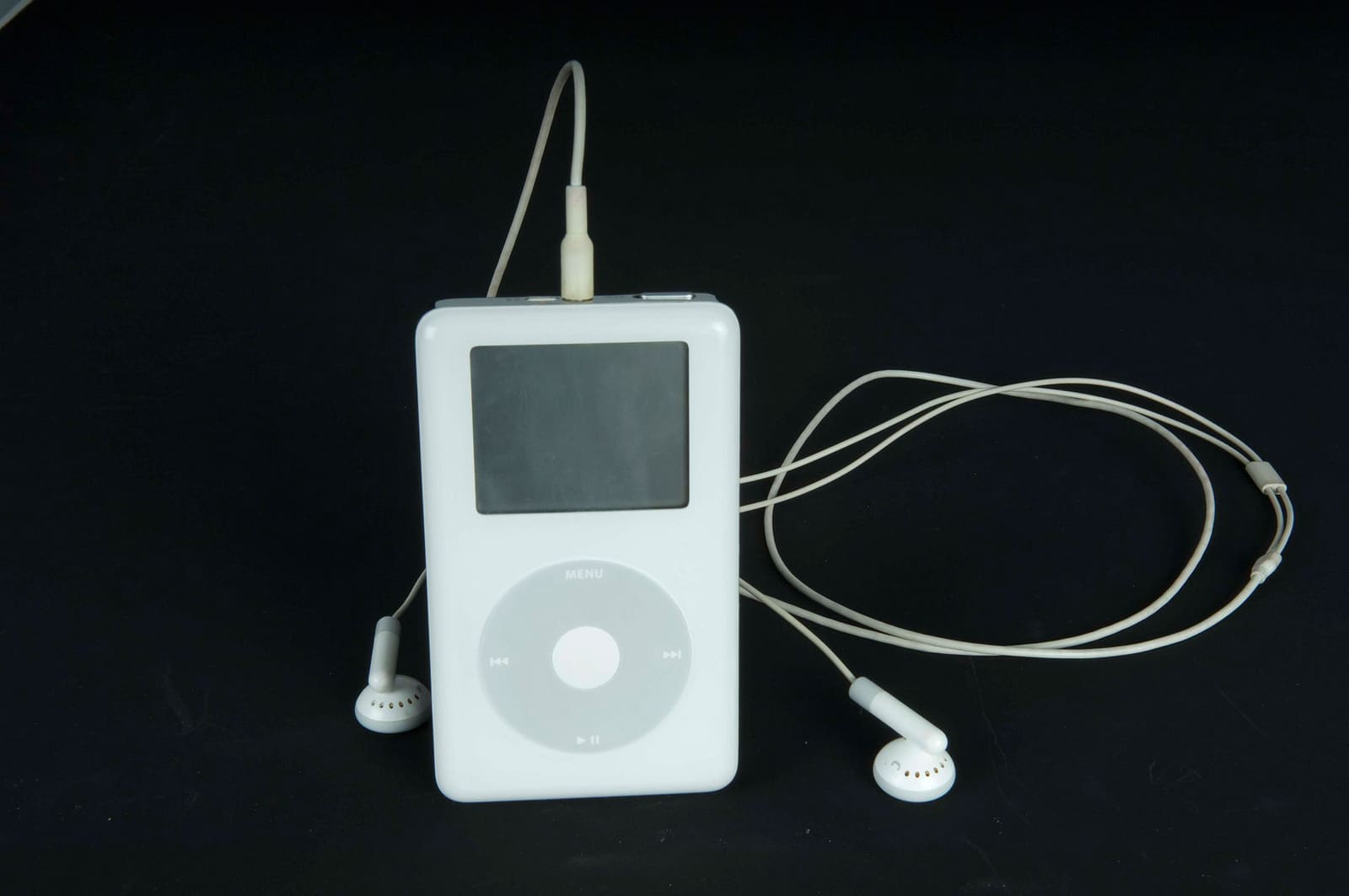
 July 19, 2004: The fourth-generation iPod brings neat innovations to the popular audio device, including the Click Wheel interface recently introduced on the iPod mini.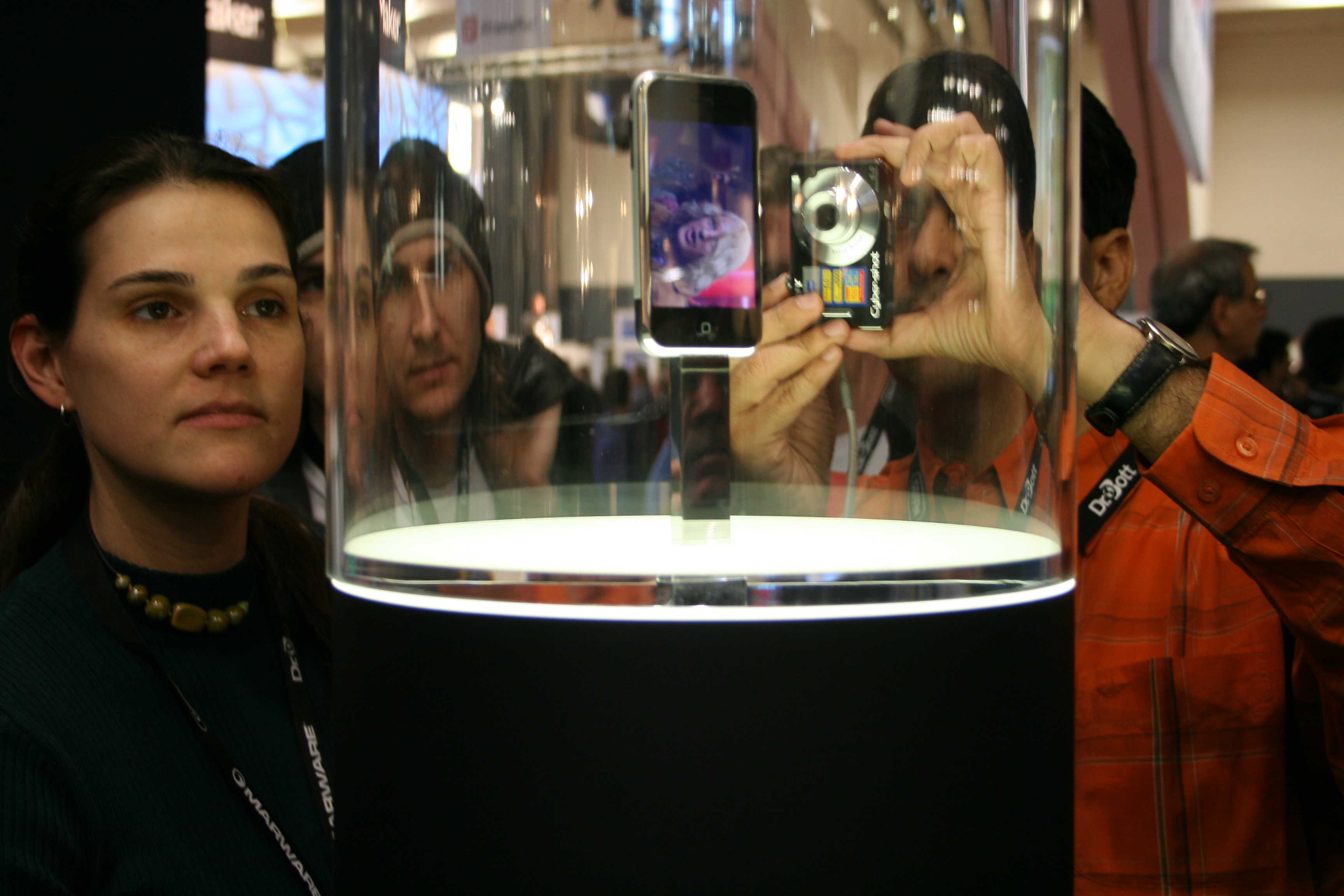
 June 29, 2007: The first iPhone goes on sale, giving excited Apple fans lined up outside stores their first chance at owning the game-changing smartphone. The queues that greet the original iPhone launch around the world prove that Cupertino is onto a good thing with the smartphone, first shown off by Steve Jobs earlier that year.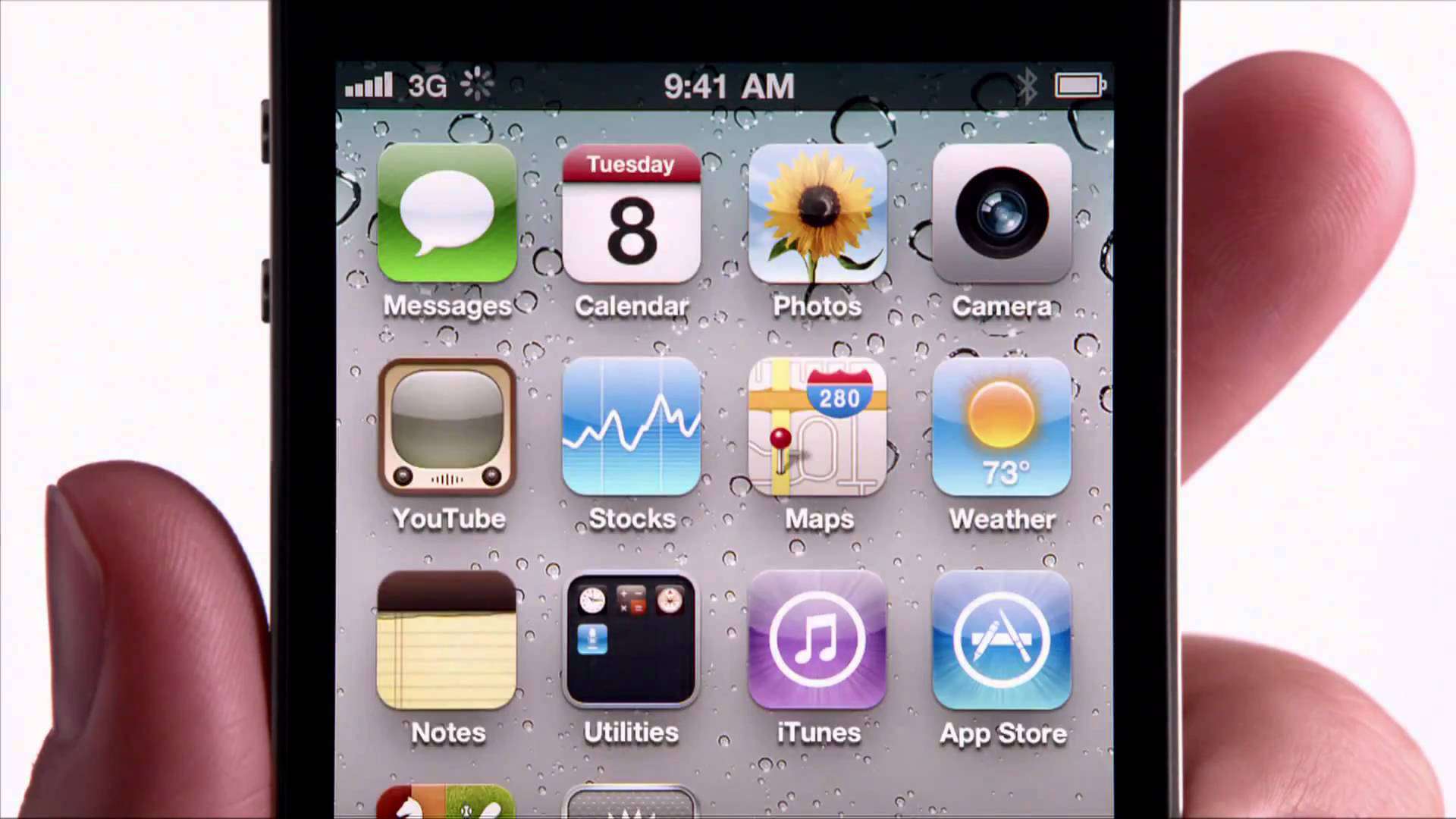
 June 24, 2010: Apple’s fourth-generation smartphone goes on sale. The iPhone 4 launch brings a sleeker design, a new video telephony service called FaceTime and a gorgeous Retina display, it’s a stunning smartphone.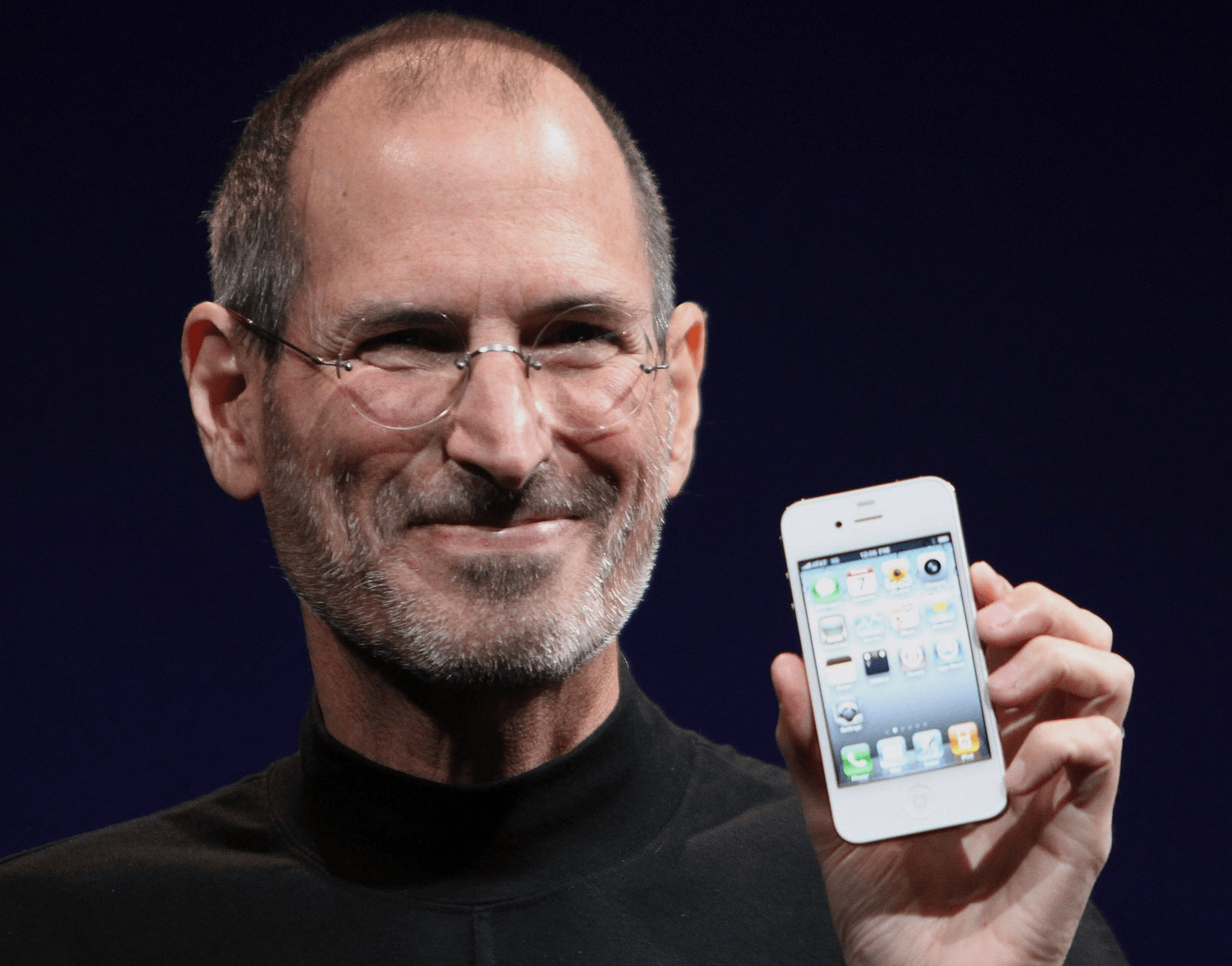
 June 16, 2010: Apple reports a massive surge of interest in its smartphone, with iPhone 4 preorders racking up 600,000 sales on thir first day.